
Source: bbc.co.uk
What the robot can do
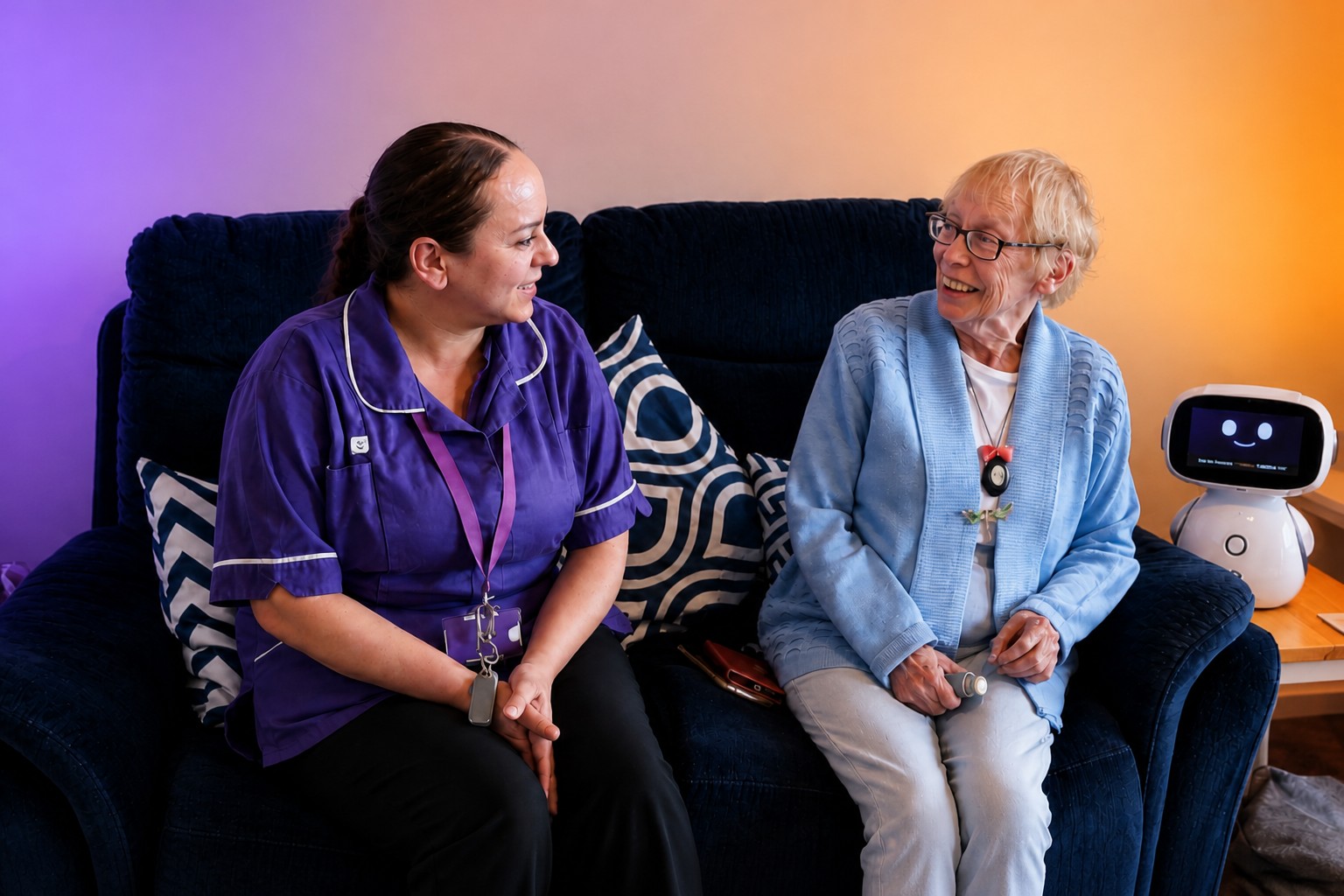
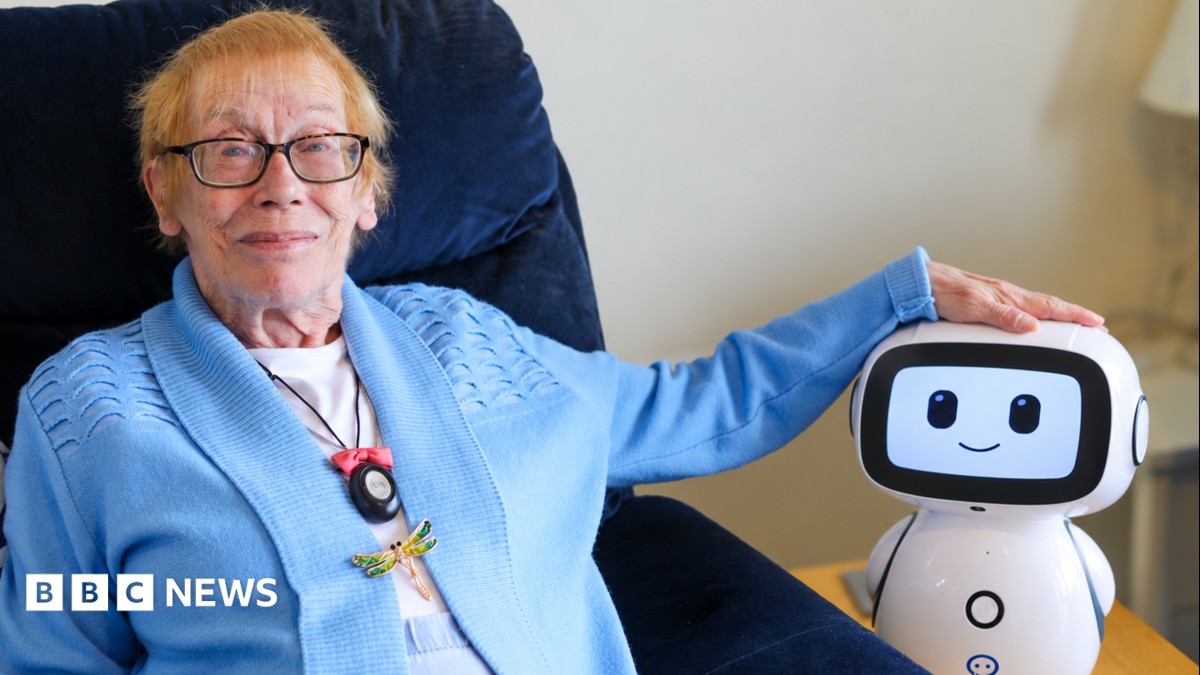
At Hazelhurst Court, 24 residents use robots. Each one stores its owner’s medical needs and personal calendar, and can remind them when it is time to eat, play bingo or watch a favourite TV show. Some residents say the devices make them feel less lonely; others use them to talk with their grandchildren.
During a visit, Robert asks Vera how she is and says he will be there if she needs him. He also invites her to choose a topic. But the gap between offering a conversation and following one is obvious when Vera brings up knitting and Robert veers off course.
Cera founder and CEO Dr Ben Maruthappu says personal experience led him to look for technology solutions in care. When his mother broke her back in a fall and needed care at home, he found it difficult to arrange support. Different carers took turns looking after her, and he did not know their names or how her care was organised. He wanted a more effective system, with technology helping to address problems in the sector.
Cera says it now has 13,500 employees and annual revenue of nearly £500 million. It describes itself as Europe’s largest healthtech company. The company claims its AI tools cut hospitalisations by up to 70%, while its robots increase care teams’ capacity by 20% and productivity by up to 80%.
Routine is not the same as care
Technology already supports surgeons during brain-tumour operations, and driverless taxis are being tested on London’s streets. In care, robots can monitor health indicators, remind people to take medication and detect falls. Those tasks have clear outputs. Understanding someone’s mood, happiness or general wellbeing is harder.
Technology expert James Erskine argues that any assessment of care robots should distinguish between tasks they can handle and those they cannot. A robot may manage work that follows strict instructions; problem-solving, decision-making and understanding emotions still require people, he says. The aim should be to support human carers, not replace them, with robots taking routine work so carers have more time for personal attention.
I think the knitting exchange is more revealing than Cera’s productivity claims. A reminder can be useful even if it is impersonal; companionship depends on whether the machine can stay with a person’s thought rather than merely keep the conversation moving.
What I’d want to know is how often these systems understand residents well enough to help them feel connected, and how often a human has to step in. The figures Cera cites describe hospitalisations and workforce capacity, not the quality of a conversation. Until that gap is measured, the robot’s role looks clearest where care is routine—and most uncertain where it is most human.
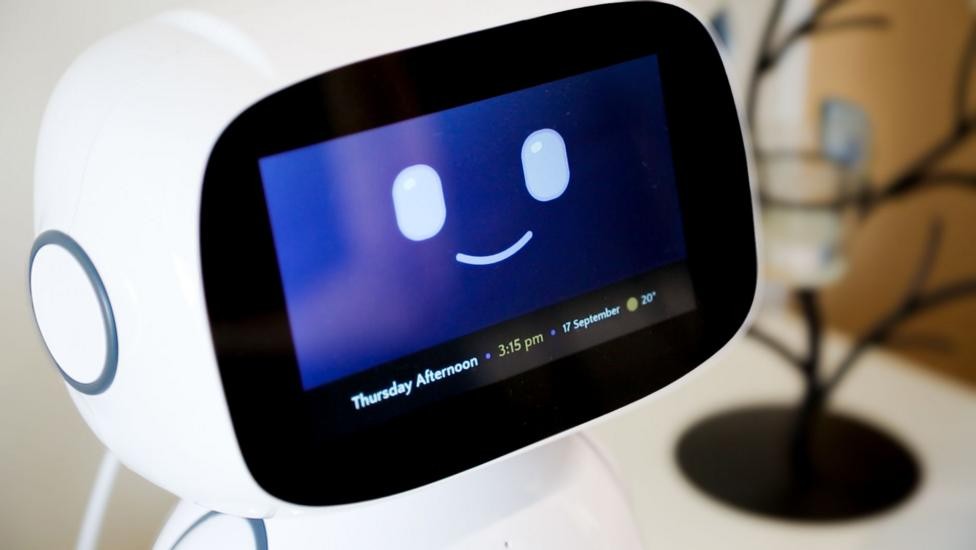
Image caption, The robots are programmed to remind residents when to take medication
Source: bbc.co.uk
Daily AI news
Every day we pick what actually matters in AI and explain it plainly — no hype, no filler. Subscribe if you want to follow where the industry is going.
Only what matters — every day
Follow on X