
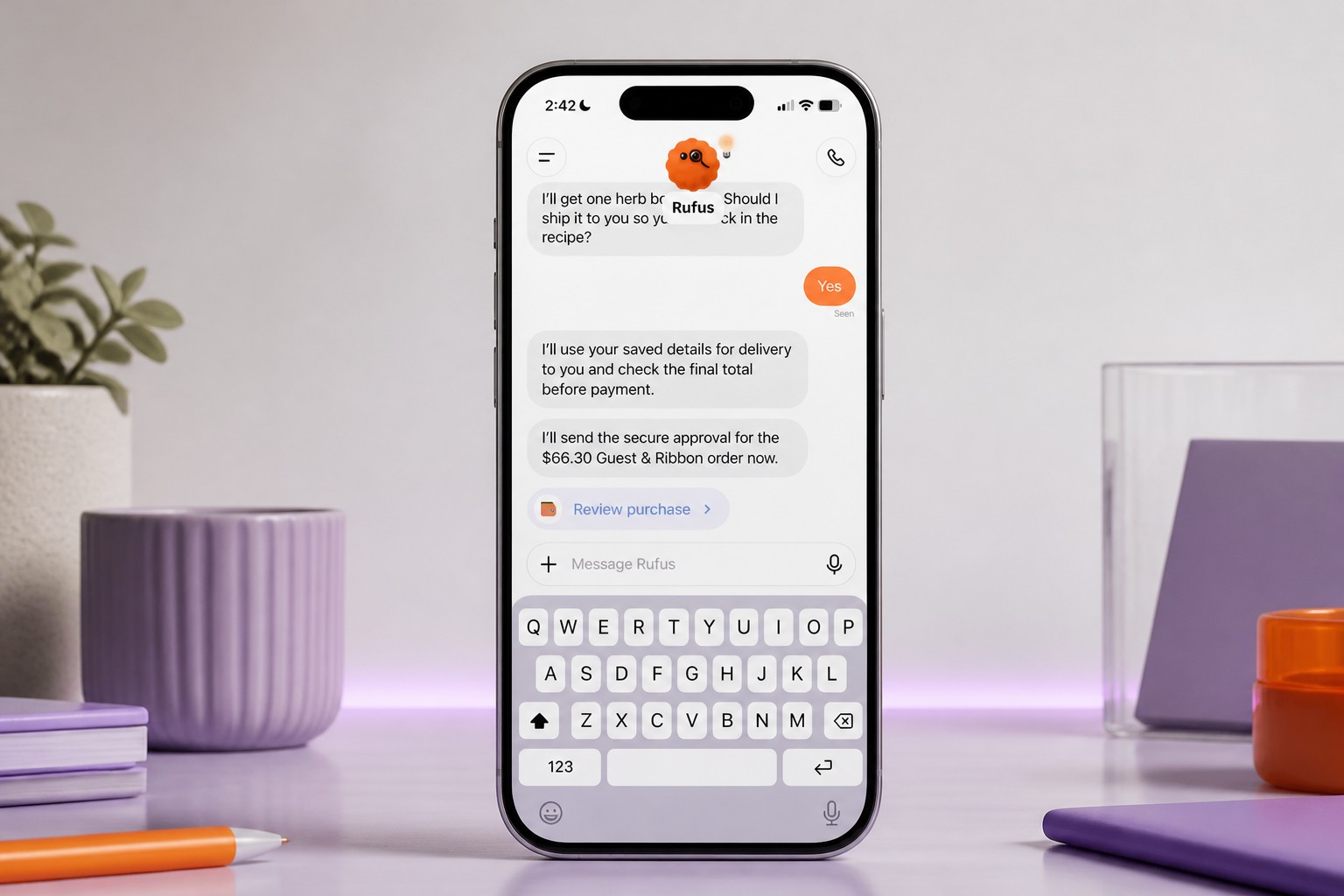
How payment works
To get started, subscribers add an eligible card to ChatGPT Wallet and ask dot to help with a purchase. Card details need to be entered once. When paying, the wallet uses a payment token — a substitute for the card details that does not share them with either the AI agent or the seller.
The seller automatically receives the information from dot needed to fulfill the order, such as the delivery address and contact details. OpenAI says purchases made through an agent still earn card rewards and retain the card’s usual protections, including the ability to dispute transactions.
Users can review the product, amount and card before placing an order. They then confirm the purchase with a security check, which also creates a transaction record.
Why OpenAI is developing AI shopping
Consumer AI tools are looking for useful ways to help people with everyday tasks. DoorDash and Uber have so far reported a small number of orders placed by AI agents. Meanwhile, AI-assisted shopping has become one of the most popular activities in the Meta Muse app, which now has more than 10 million users. Other personal AI agents, such as Instinct, also support purchases on users’ behalf.
OpenAI is starting with a limited rollout to test and improve the feature before making it more widely available. The company plans to let users set spending limits and other parameters later, such as permitted shopping categories or time periods. This would allow users to approve purchases in advance for an agent to make with greater independence.
The company also wants to expand the list of stores where people can shop through an AI agent. But some retailers block these agents. The largest is Amazon, which is trying to direct users to its own AI agent, Alexa.
For sellers looking to serve customers with AI agents, OpenAI has released the Commerce Partner Playbook, with tools and recommendations.
Dataist's take: The launch pairs purchase automation with user confirmation of every order, at least initially. How much independence agents gain will depend on spending settings and store access, while broader availability will depend on whether sellers support the feature.
Daily AI news
Every day we pick what actually matters in AI and explain it plainly — no hype, no filler. Subscribe if you want to follow where the industry is going.
Only what matters — every day
Follow on X