
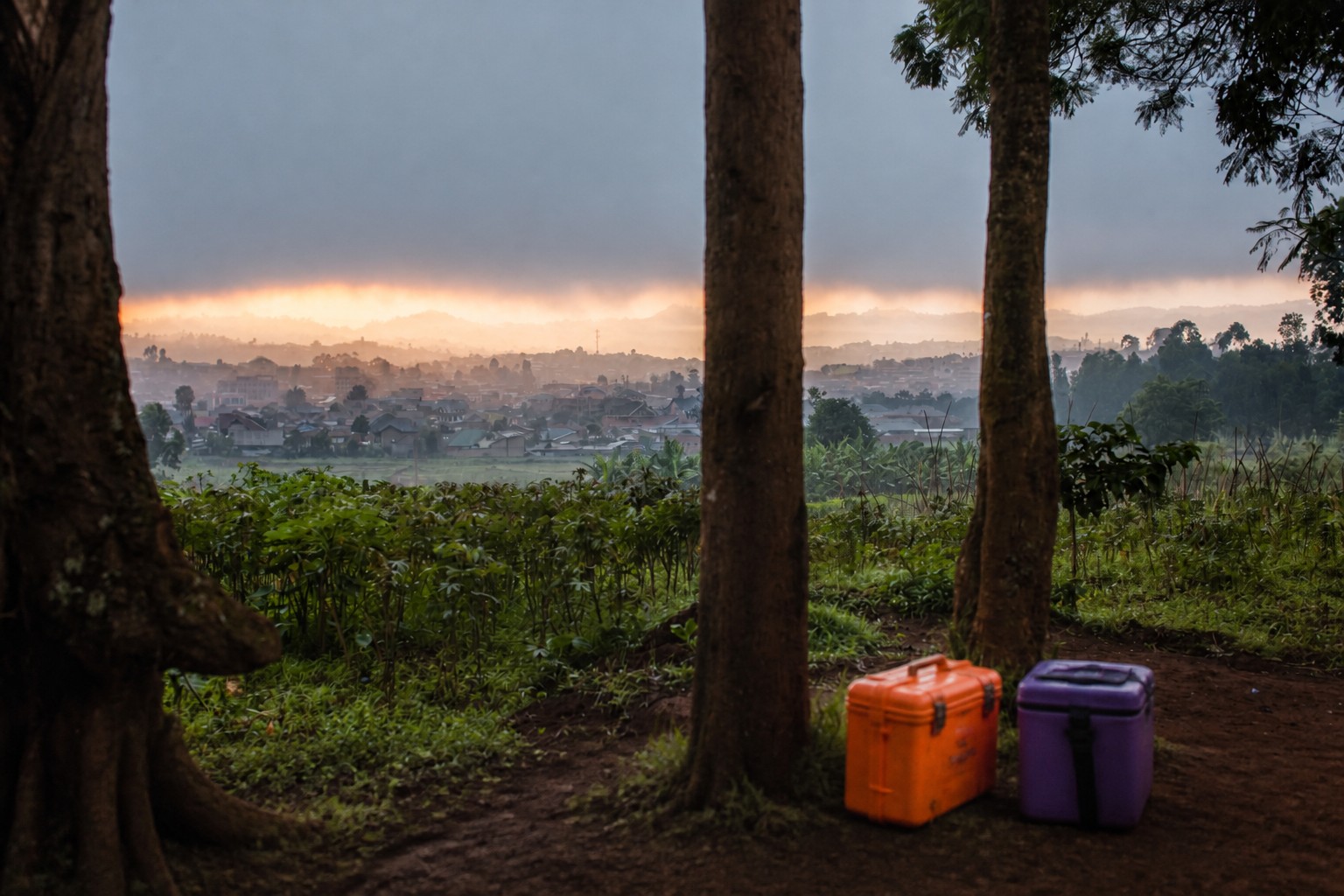
The difference matters because nearly half of roughly 8,000 confirmed BDBV patients have died. A field worker’s notebook may be the first record of when someone became ill, whom they met and where they traveled. If that information moves faster from households to laboratories and ministries, patients can be found before their condition becomes critical, and future vaccine supplies can be directed toward exposed communities.
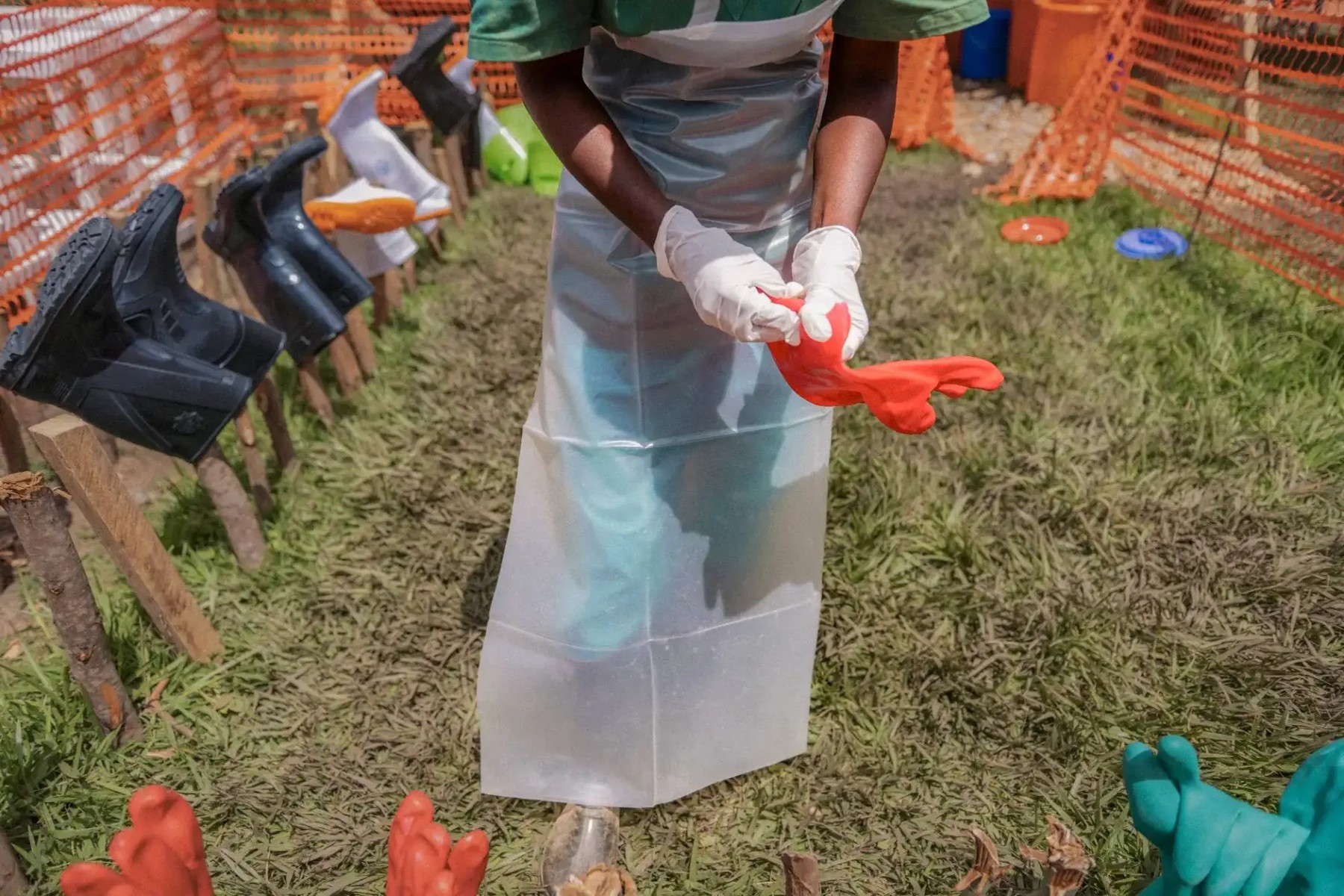
From notebooks to sitreps
The old workflow was a chain of manual handoffs:
Claude now extracts case and laboratory results from each district presentation, compares them with the previous day’s report, flags changes in the trend and explains what might account for them. It then summarizes the district reports.
Tendai Muza, who works on data systems and analytics at WHO AFRO, developed the Claude skill with Tamai Mlanda and Gianni Donkor. WHO AFRO’s emergency response center in Dakar, Senegal, handles about 100 public-health events a year and often sends teams to affected regions to collect data and establish working processes.
The same data teams are using Claude to analyze and model disease spread. Paul Ouma of WHO AFRO said that time constraints previously meant specialists could select only one model and had no time to compare alternatives. They can now run several models and produce forecasts, including ones that help logistics teams decide where to place treatment centers.
What Claude is not deciding
An approved BDBV vaccine does not yet exist. Ervebo is available for the Zaire strain of Ebola, and after BDBV appeared, CEPI asked researchers to submit proposals for potential vaccine candidates and related research.
Claude can organize complex, multi-factor data so specialists can compare more proposals in less time. CEPI also used it to build a monitoring dashboard for tracking the actions and tasks required to move vaccine development forward.
But the scientific judgment remains with people. Polina Brangel, CEPI’s head of data innovation for research and development, stressed that Claude does not decide which cohorts of serological samples should be analyzed to assess possible cross-reactivity between Ervebo and BDBV.
That boundary is the important part of the deployment. I think the practical value here is less about replacing epidemiologists than about removing the slowest translation layers between field notes, spreadsheets, presentations and decisions. The announcement is notably quiet about how often experts reject or revise Claude’s interpretations; that is the evidence needed to distinguish faster reporting from more reliable reporting.
From genetic fragments to a virus family tree
Biodata creates another bottleneck. Laboratories sequence samples from health workers to confirm cases and track viral changes, but computational analysis, or bioinformatics, can delay the results.
A viral genome can show whether cases are related, whether undetected transmission chains are spreading beyond the reported statistics, and whether the virus is changing in ways that could reduce the effectiveness of tests, treatments or vaccines.
INRB has received practically all BDBV genomes sequenced from patient samples in the DRC during the current outbreak. Each sequencing machine produces millions of short genetic fragments. Previously, specialists had to enter specialized commands into a programmer’s terminal to assemble a complete viral genome.
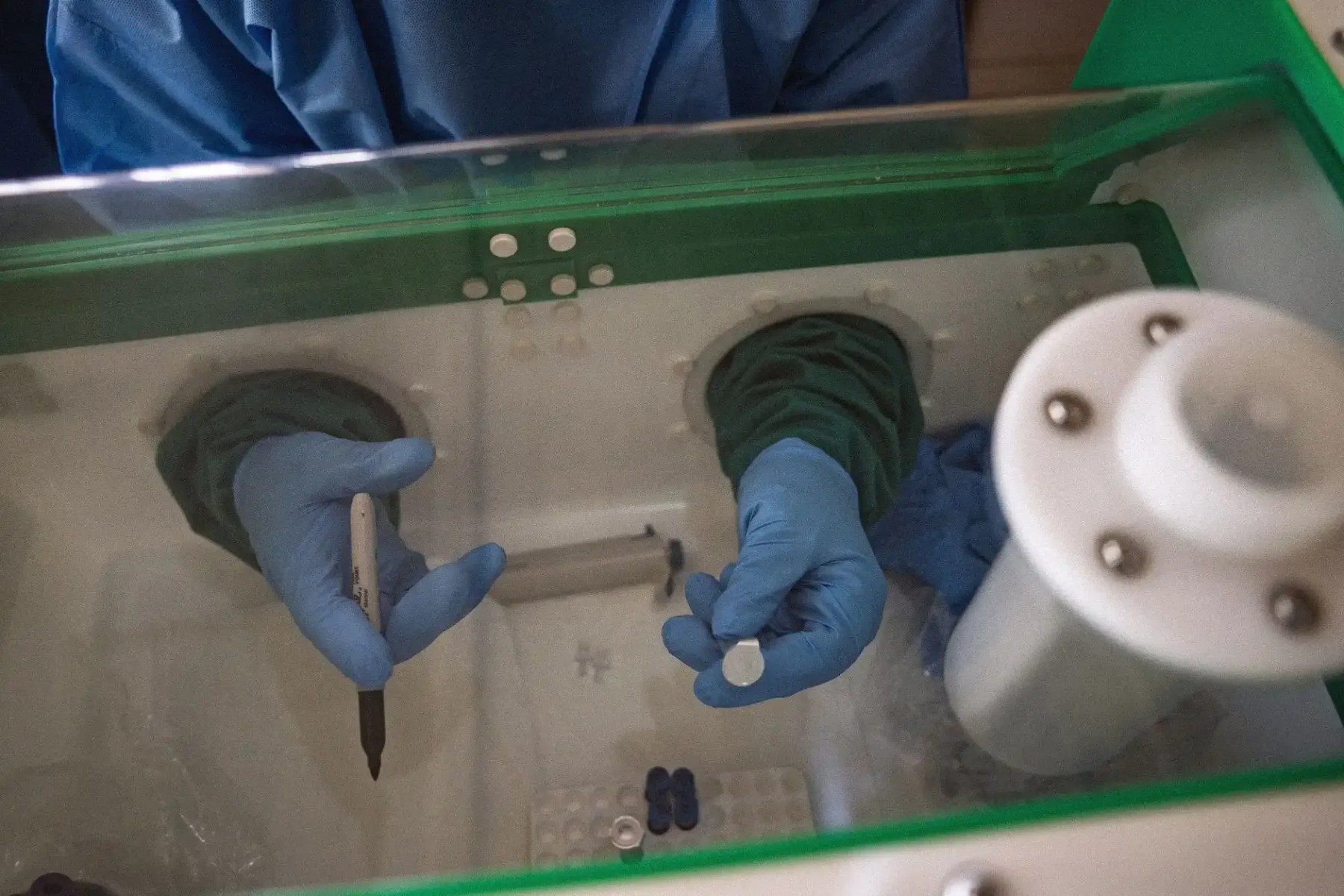
Claude Science, an AI scientific workspace, lets users ask in natural language for the genome to be assembled and a viral family tree to be built. Bioinformatics specialists are usually scarce during large outbreaks, so lowering the barrier to this analysis can help teams track new infections. The tool can also estimate the scale of an outbreak and identify new viral variants.
A workflow that can travel
WHO Africa is considering the tools for other outbreaks as well. During a chikungunya outbreak, specialists use Claude to clean and check case lists organized around three dimensions: person, place and time.
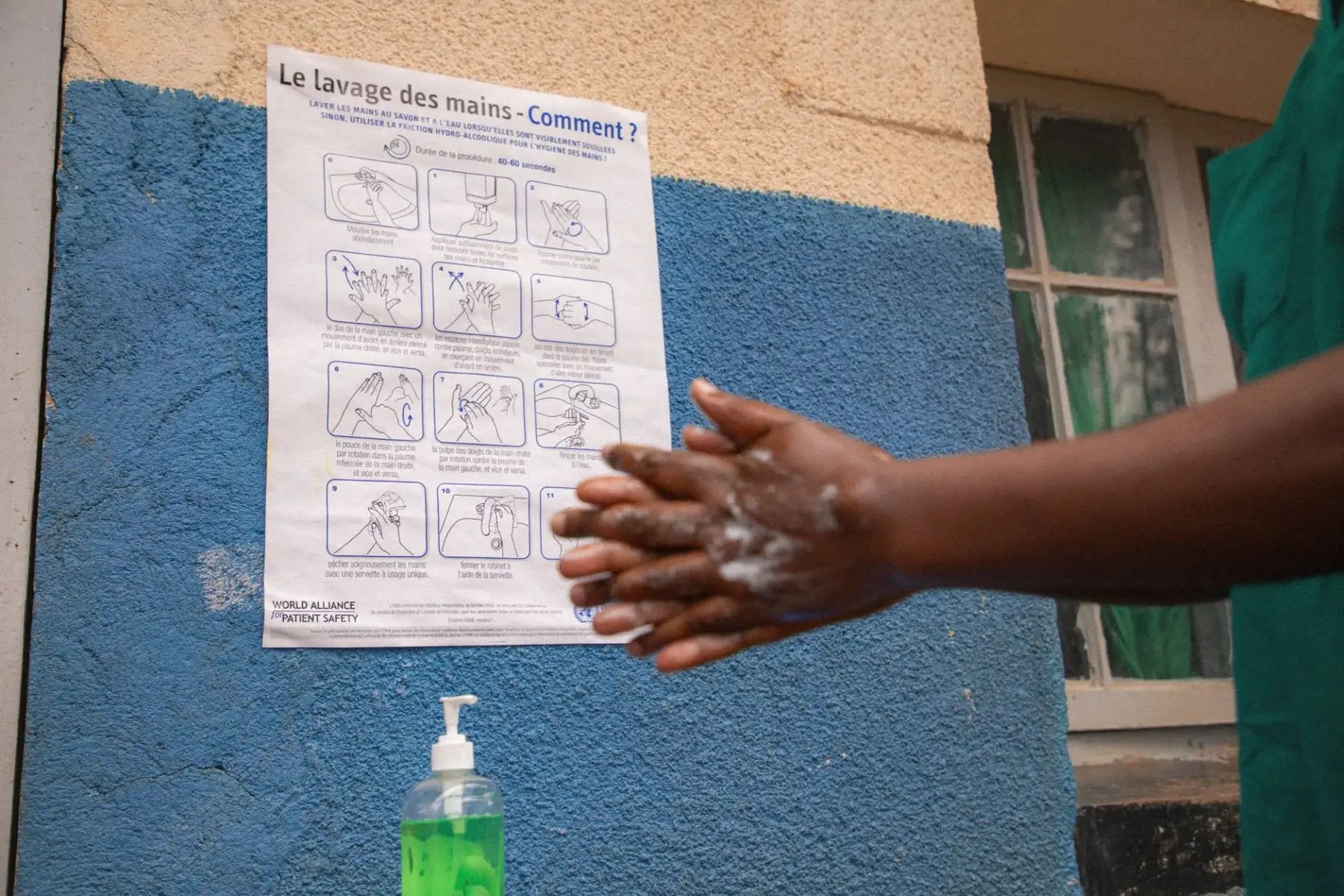
The next proposed step is to combine historical disease databases. During a new crisis, that could let teams draw on earlier outbreaks instead of trying to reconcile old records under pressure.
The more interesting question is whether these systems will remain useful when the data is incomplete, delayed or contradictory—the normal condition of an outbreak, not an edge case. Claude is already being used at several points in the chain, from case reporting to modeling and genome analysis, but the response still depends on specialists deciding what the evidence means.
The Bundibugyo Ebola outbreak is not over, although signs of slower spread have appeared in Ituri province. For now, the technology is making the response faster without removing the human decisions that determine where treatment, testing and research effort go. Its real test will be whether that extra speed survives contact with the uncertainty of the next outbreak.
Daily AI news
Every day we pick what actually matters in AI and explain it plainly — no hype, no filler. Subscribe if you want to follow where the industry is going.
Only what matters — every day
Follow on X