How the system is used
The system was introduced to several dozen employees in Co-op’s legal-services operation over the past couple of months. It is also used to identify ways to improve sales performance.
Co-op says the AI is a support tool, not a decision-maker. The company says it helps managers support colleagues and improve customer service. Kaoughlynn Hurley, managing director of Co-op Life Services, which includes the legal business, said AI makes it possible to check every client conversation more efficiently than traditional methods and helps with staff training and development. She said human judgement, responsibility, care and kindness remain central to each client relationship.
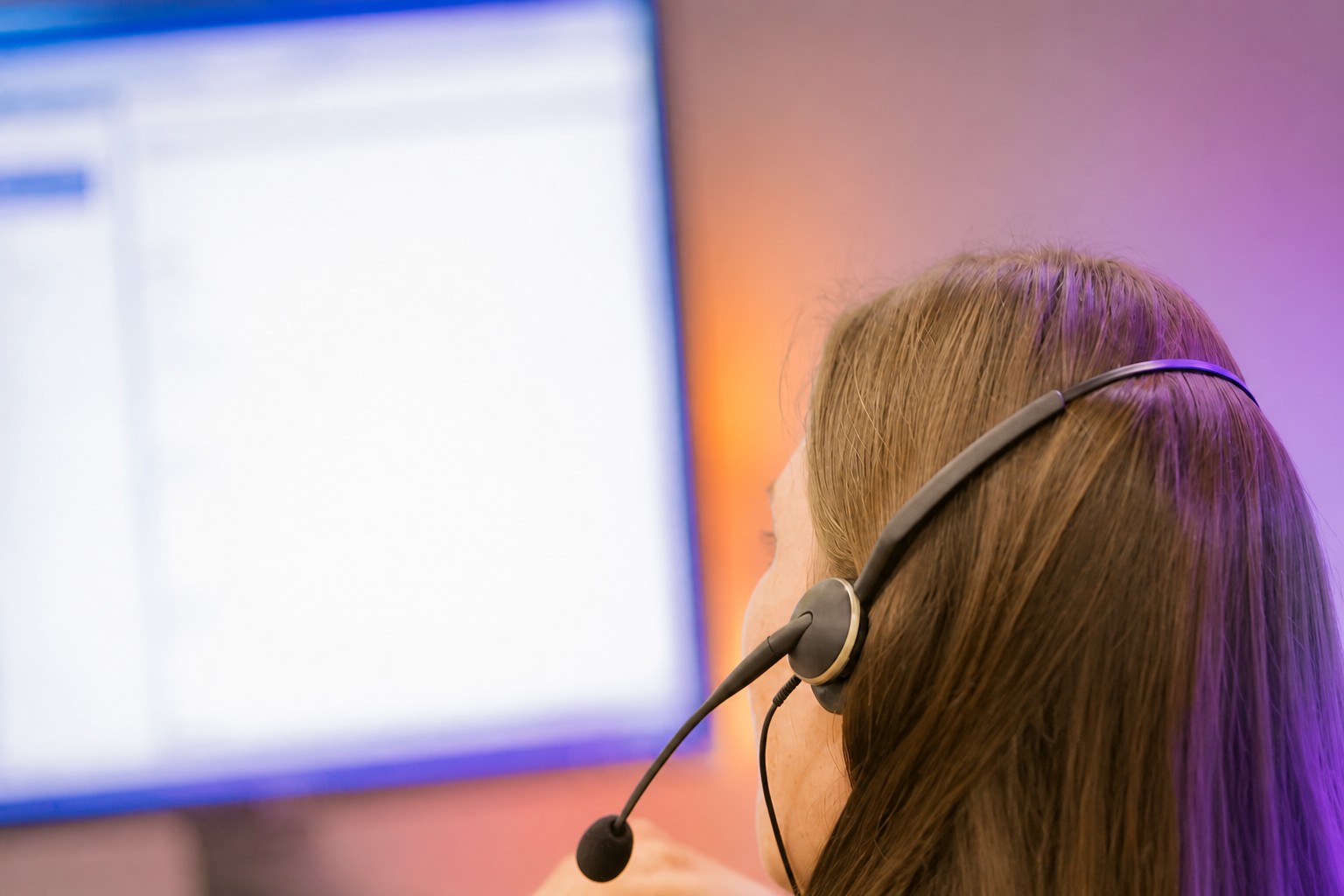
The employee told the Guardian that the system can monitor them for hours at a time while they answer clients’ questions. Speaking anonymously, they described the experience as constant scrutiny:
“You’re being watched. It’s different from occasional call listening to check compliance. [You’re] actually being monitored for every word you say and every time you say something… It feels genuinely dystopian. This is just the beginning.”
Co-op rejected the criticism. The company said its probate advisers are actively involved in their work and that AI plays a “key role in quality assurance”, helping ensure clients consistently receive “empathetic and skilled advice”.
A widening workplace pattern
The report comes amid other uses of AI to monitor workers. Last week, the Guardian reported that Multiverse, the AI training company founded by Euan Blair, had started automatically monitoring online lessons. Teachers called the practice “relentless” and “alarming”. Multiverse said AI was being used to improve the experience of students and clients.
In February, Burger King in the US said it would use technology to track restaurant employees’ conversations with customers. This summer, Meta paused collecting data on employees’ computer keystrokes after privacy concerns and staff dissatisfaction.
Unions are beginning to push back. John Chadfield, national officer at the Communication Workers Union, said AI is presented as a solution to every problem, but cases like this show it can displace sensible working practices and make work more stressful without good reason. Unaccountable computer systems should not manage people, he said, and workers deserve more respect.
Haifa Mohdzaini, senior policy and practice adviser at the Chartered Institute of Personnel and Development, said workplace feedback could become more structured and offices more like factories. Some employees clearly dislike that approach, she said, and it remains to be seen how it develops and how much managers will have to change their style.
This year, the International Labour Organization warned that AI monitoring could bring psychosocial risks, including increased work-related stress. It said AI is being introduced into workplaces without a comprehensive regulatory framework, making it difficult to prevent harm.
The missing measure
I think the central tension is not whether the system makes more calls available for review; Co-op says that is precisely its advantage. It is whether a pass-or-fail score across more than 50 aspects can assess the quality of a conversation with someone dealing with a bereavement without changing how employees speak to them.
The announcement describes the system as a tool for support, training and consistent service. What it does not say is how employees can challenge a score, or how managers distinguish a useful signal from a rigid target. In a service built around both expertise and empathy, measuring every call may make quality easier to count while leaving the harder part of quality unresolved.
Daily AI news
Every day we pick what actually matters in AI and explain it plainly — no hype, no filler. Subscribe if you want to follow where the industry is going.
Only what matters — every day
Follow on X