
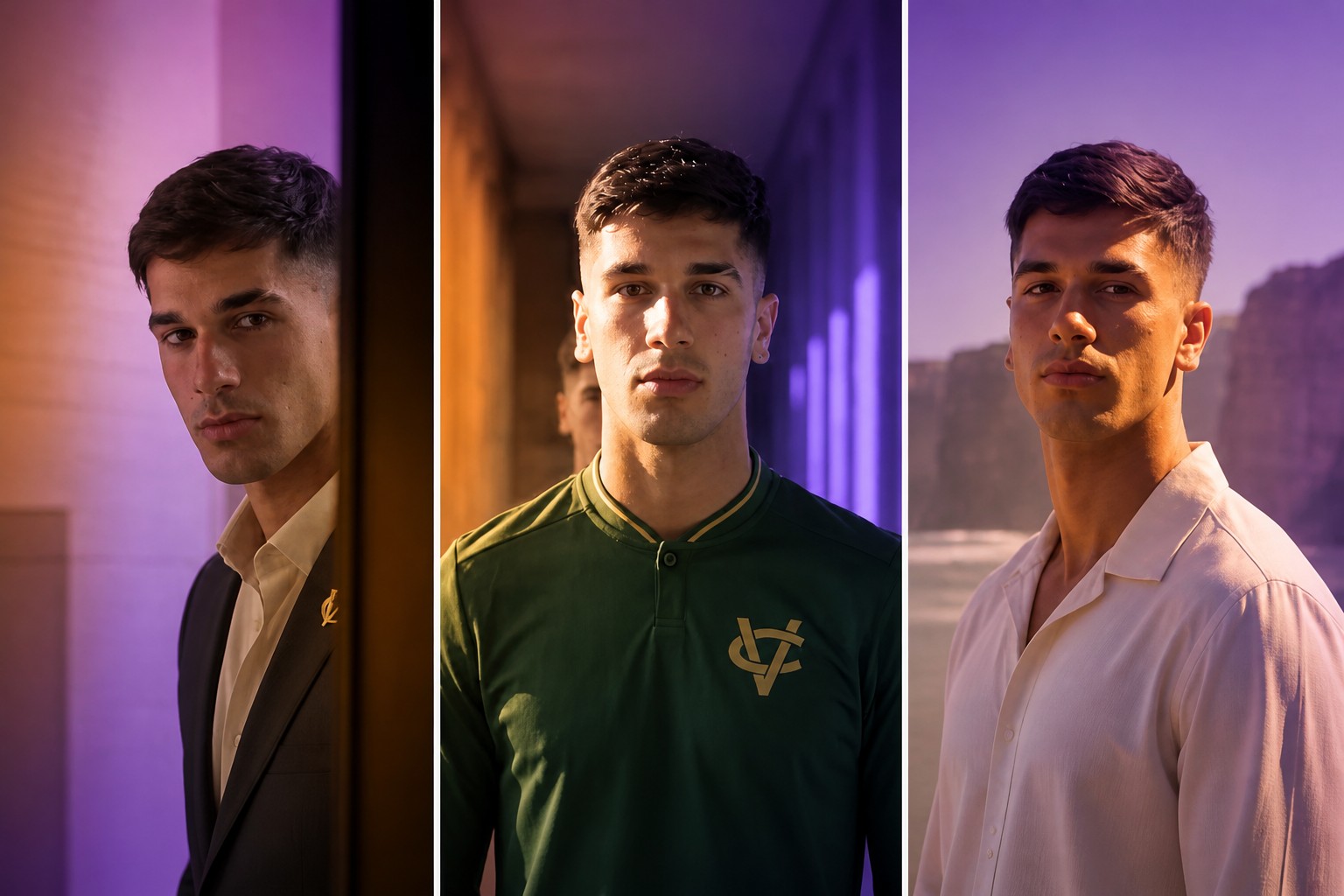
Licensing the person behind the image
The video shows Volpato walking through a vast atrium, then splitting into four digital copies that appear in different places around the world. In other scenes, a synthetic Volpato sits in a white linen suit near the Twelve Apostles, appears on a digital billboard in football kit and adjusts a grey suit in a mirror. The 22-year-old Sassuolo player approved the video.
Callandor will make money by arranging advertising deals using Volpato’s AI likeness and taking a share of the proceeds. It will also help restrict the spread of content he has not approved.
The company was founded in February. Its other athletes include Brazilian footballer Jorginho and American sailor Chris Poole. Campaigns are still at the pilot stage, though Callandor is exploring uses beyond conventional advertising.
Callandor co-founder Michael Fisk told Guardian Australia that athletes spend much of their time training and playing, leaving little room for promotional work. A digital double, he argued, can be available to brands around the clock and throughout the year, provided the athlete approves the content.
The model is not new. In June, Brazilian star Neymar licensed his AI likeness to a Chinese entertainment platform, which produced short videos published during the FIFA World Cup.
Consent is becoming the product
Volpato’s deal lands as companies and sports bodies confront AI-generated images made without athletes’ permission. Earlier this month, the AFL asked betting partner Sportsbet to stop using AI-generated player images without consent, after a players’ union complaint. The union is considering seeking stricter rules.
William Saunders, who runs Sydney-based Hyperknown, another company pursuing these deals, says athletes are beginning to recognise that others may profit from their AI likenesses if they do not. He sees Volpato’s arrangement as a way to set rights before someone else decides how to use a person’s identity.
Australian cricket player Travis Head took a different route in an ad for broadcaster Kayo earlier this month: he appeared in person, joked that his AI double had already finished filming, then rode a kookaburra. The joke points to a real uncertainty. Athlete advertising and sponsorships can be worth millions of dollars, but it is not yet clear whether brands will pay as much for AI doubles as for the athletes themselves.
Saunders sees potential in AI versions selling products in foreign languages, including in countries where the athlete has never been. He also argues that the next important trust signal will not merely say content was made with AI; it will confirm that the person agreed to it.
I think that distinction is the real commercial hinge. Synthetic content can be produced at scale; permission cannot be generated along with it. But the announcement says little about how approval works in practice, or how a player can withdraw it once a campaign or app is already running.
Rights that do not fit neatly together
Jonathan Harlen, an intellectual property specialist at Southern Cross University, calls AI licensing intermediaries an obvious next step in a fast-growing global market. But he says the field brings different rights and interests into conflict.
Copyright can cover voice recordings, artworks and film images, but it requires human authorship and some independent or creative human contribution. Laws also offer celebrities and athletes some protection against the unauthorised use of their image and voice in AI content. Rules against impersonation, however, apply only when public figures can show financial harm.
Those limits have not stopped deepfakes from spreading through increasingly capable public tools. Last month, leading footballers including Cole Palmer and Lucy Bronze joined a UK campaign warning about deepfakes and regulation that is not keeping pace. The campaign was backed by international players’ union Fifpro. Earlier this year, an offshore online casino used a deepfake of Manchester United player Bruno Fernandes in an ad.
Fisk says athletes should not be linked to brands they do not use or made to say things they would never say. He singled out religion and drugs as subjects requiring particular care, while warning that overly strict limits on AI fan creations could backfire.
The commercial opportunity is clear enough; the boundaries are not. Australia’s major sports league contracts do not yet mention AI, while the technology is already being used in advertising. Licensing may give athletes a way to claim control and revenue—but it also turns consent into an ongoing condition that contracts, platforms and regulators will have to make real.
Daily AI news
Every day we pick what actually matters in AI and explain it plainly — no hype, no filler. Subscribe if you want to follow where the industry is going.
Only what matters — every day
Follow on X