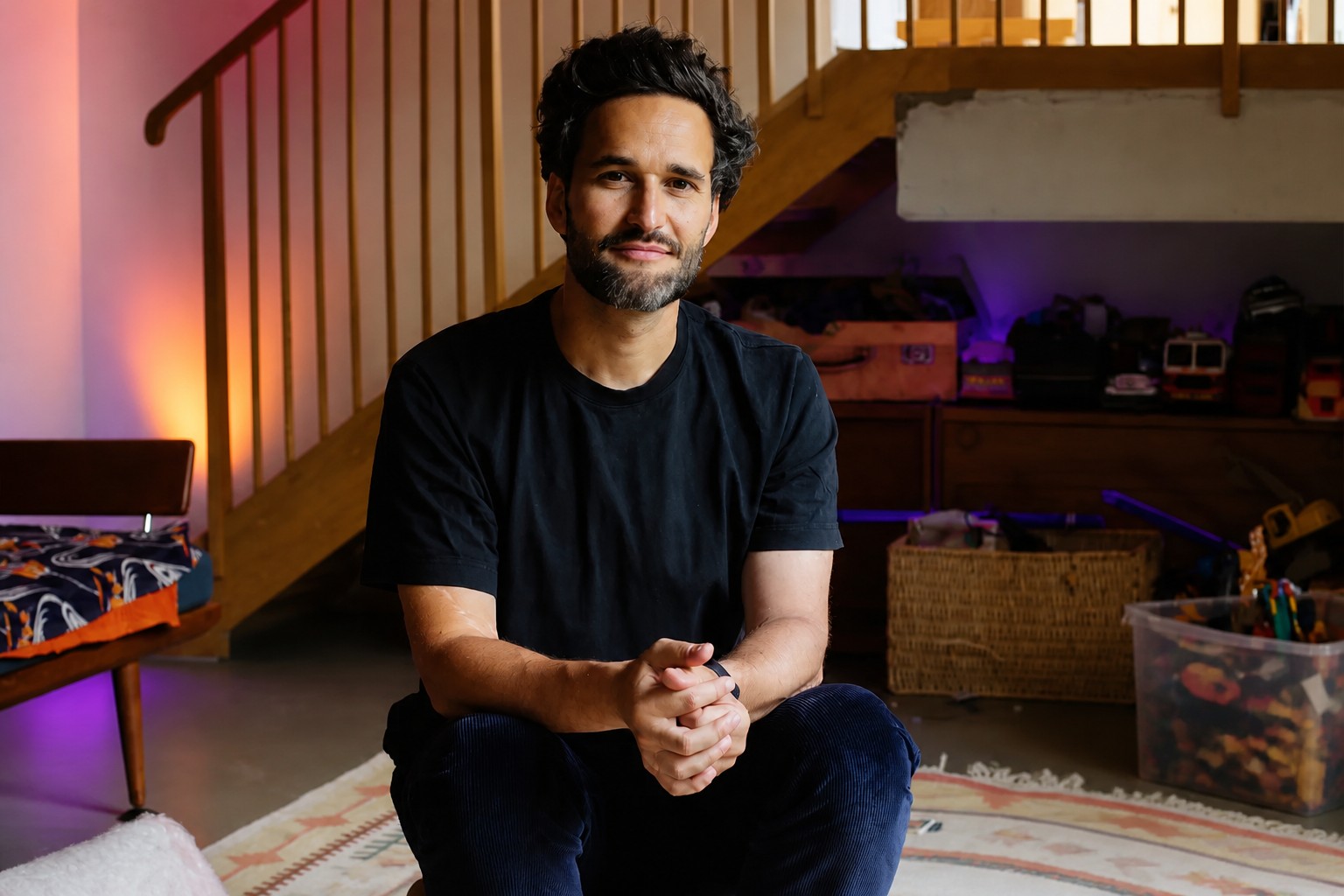
Daniel Susskind has spent 15 years studying what AI does to work and society, and he has now written the essay a father of three writes. Its argument is that the standard policy response to technological change — work out the skills of the future and teach them to children — has already failed once in living memory. He has the receipt. In 2013 the UK government announced that England would be the first place in the world to teach every primary and secondary pupil to code. In January 2026 Anthropic said 90% of the code for Claude Code, its AI programming assistant, was already being written by AI. His proposal is to stop guessing: split every subject in two, teach it with AI and without, and examine both halves.
The 2013 announcement came from then prime minister David Cameron, and education secretary Michael Gove framed it as giving every child the computing skills needed to succeed in the 21st century. It looked bold and considered, and within a few years it was hard to find a developed country that had not copied it. The skills meant to protect a generation from technological change for a working lifetime were largely obsolete before that generation left school.
Susskind's point is that treating coding as an unlucky exception misses the real mistake. The error was believing that future-proof skills exist at all — a set of valuable capabilities that AI will not be able to perform for a long time yet, if you only look far enough ahead. He says we know two things about the future: it will contain technologies far more capable than today's, and almost everything else is unknown. The useful question is therefore not how to eliminate that uncertainty but how to prepare a generation to live well inside it.
The most practical part of the essay is also the least fashionable. In the 1970s mathematics teaching in British schools was thought to be deteriorating and numeracy was low, so the government asked Wilfred Halliday Cockcroft, a mathematics professor who had long worked on the subject, to investigate. His report arrived in 1982: enormous, detailed, now almost forgotten. What Susskind wants back from it is its treatment of the electronic calculator.
The fears rhyme. People worried that calculators would undermine basic skills, and many found the new technology intimidating — some, the report noted, were thrown by the number of digits after the decimal point. Cockcroft was realistic. He expected every pupil to have access to a calculator by 1985, and proposed something radical: split mathematics teaching in two, one strand with the calculator and one without, and test both. It stuck. Calculator and non-calculator mathematics is now normal worldwide, the first building the basics and the second applying them to harder problems.
Susskind calls the transfer of that principle to AI "teach both ways and test both": every subject from history to English literature divided into a half taught with AI and a half taught without, with both halves assessed. On enforcement he is blunt. A teacher cannot control whether a pupil uses AI alone in their bedroom. But nothing replaces the feeling of sitting in front of an exam paper and realising you prepared for only one of the two parts.
Before any of that, he wants the basics back. According to PISA, the OECD's international assessment of pupils, literacy and numeracy among young people worldwide have been declining since 2009, and the same is true of adults. Two things make that worse under uncertainty. Whatever advanced skills turn out to matter — creativity, judgement, something else — they will rest on basic ones. And AI systems are far from reliable: they fail simple tasks and produce confident, plausible, entirely invented answers. The computer scientist Geoffrey Hinton called them "idiot savants". You need the basics to tell a system's right answers from its wrong ones. An economist, Susskind notes, would call this a no-regrets strategy.
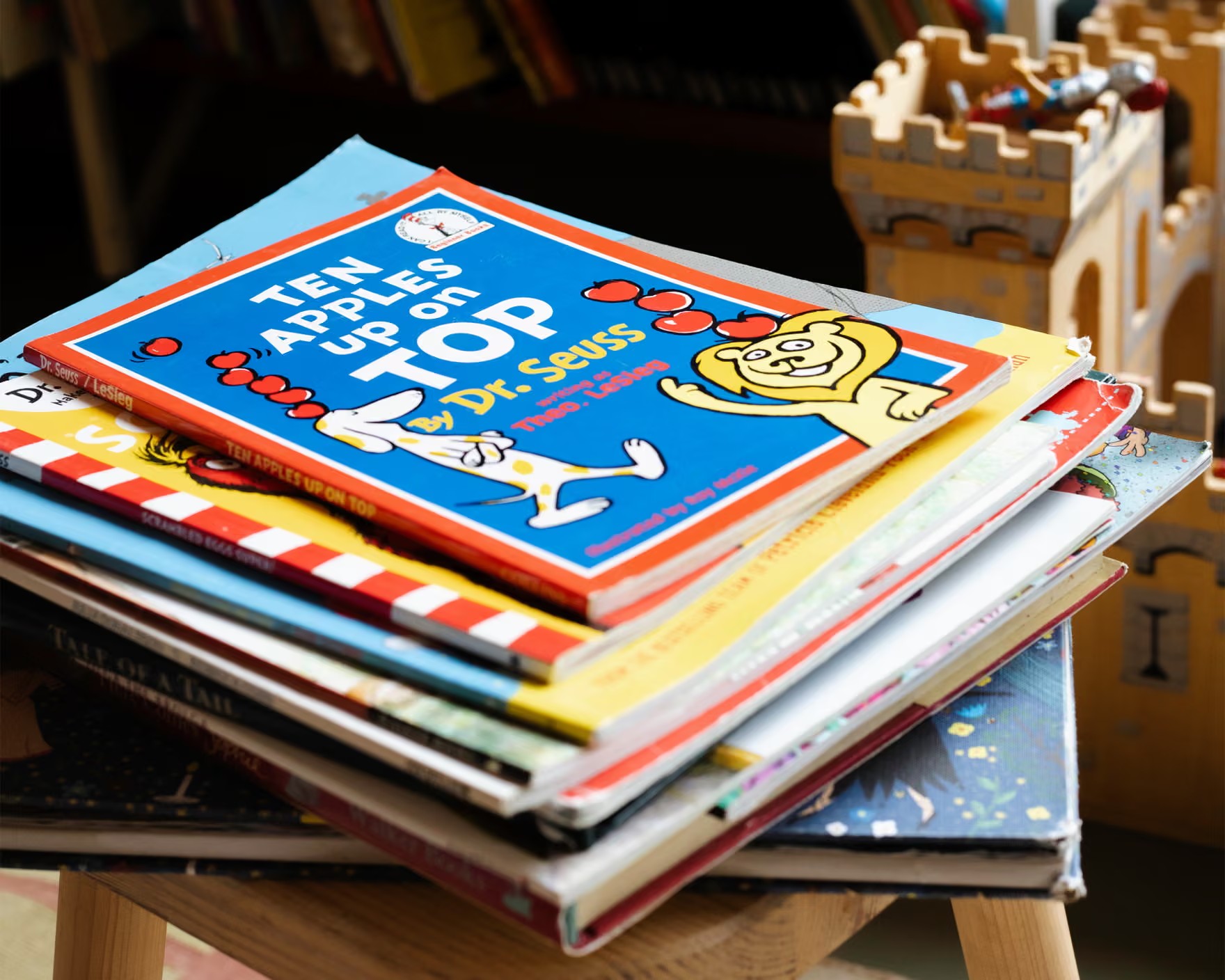
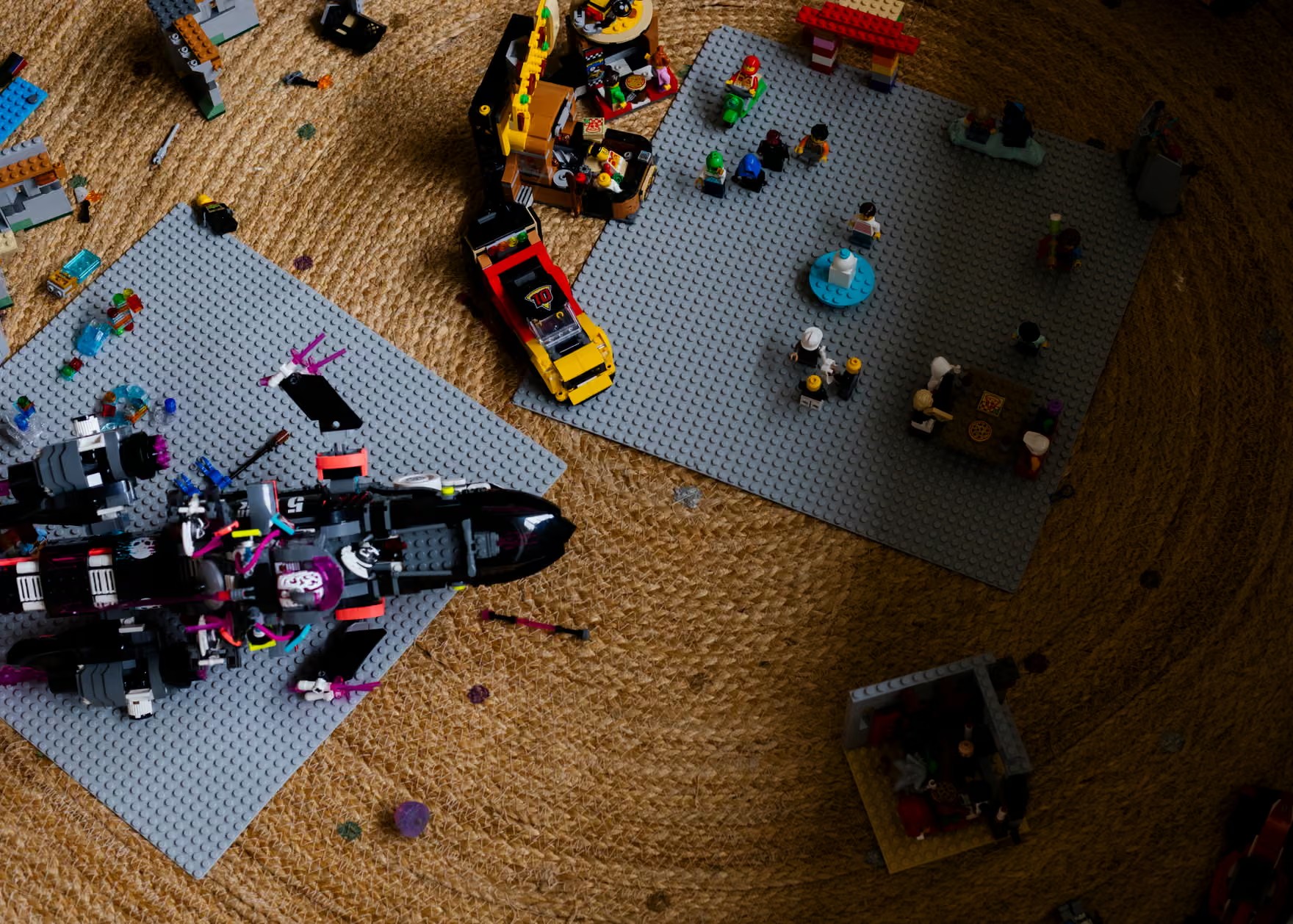
He is not arguing for rote. When his eight-year-old daughter got bored of learning times tables through long lists and mechanical repetition, he had ChatGPT build computer games she designed herself, which tested what she had retained; every version involved unicorns and rainbows. His five-year-old son tired of school reading books — there is a limit to how much Biff, Chip and Kipper a person can take — so they generated their own stories, pitched at his reading level and his interests, which at the time were HMS Belfast, TNT and Bukayo Saka.
Source: theguardian.com
The ideas can come from elsewhere. Chris Moran, the Guardian's head of editorial innovation, had a daughter reading Dracula at school who could not picture the sprawling novel in the real world. Together, with AI, they built an app called PlotLines, which placed the plot on an interactive 1890s Ordnance Survey map and showed key scenes and the characters' routes across Europe. They later did the same for many other books. These are the things Susskind thinks education should be testing and adopting rather than banning.
He is also worried that legitimate alarm about social media is bleeding into AI, and that restrictions on one are turning into automatic prohibitions on the other. They are different technologies: social media often pulls people away from the real world and takes their attention, while AI used well can make life easier. The screen-time debate — not too much, not too little, just the right amount — asks the wrong question. What is on the screen and what the technology is for matters more than how long it is on.
That distinction changes the method as well as the syllabus. The average pupil taught one-to-one will outperform almost all peers in an ordinary classroom, something Susskind watched for years as a mathematics and economics tutor at Oxford. The problem has always been that human tutors are too expensive to give everyone. AI can adapt explanations to a particular pupil's strengths and weaknesses, imitate the experience of a tutor, and cost far less. He says it tailors more precisely than he did, and than many teachers he has watched. He has used it to answer his five-year-old's endless bedtime questions — asked where the first human came from, it invented a short story about evolution — and to produce step-by-step walkthroughs of hard problems in economic mathematics for master's students, including the Ramsey growth model. In April 2025 The New Yorker quoted a student who said it felt as though no one had ever paid that much attention to his thoughts and questions, and that it had changed how he saw talking to people. The system does not tire or get distracted, has no fixed hours and no lesson bell, and can always answer one more question.
On careers, he says he is not surprised that students booed technology executives at recent US commencement ceremonies. Over 15 years the strongest resistance he has met has come from young professionals who spent a large part of their lives and a great deal of money training as lawyers or doctors and were told, at the very end, that the world they had trained for was over. His advice is to choose a field for the problem that interests you rather than the appeal of the job. Go into medicine because of House, law because of Suits, marketing because of Mad Men, and you will be disappointed, because those professions will soon look different. The problems do not disappear — improving health, giving legal advice, selling things — only the methods and the skills they require.
The example he uses predates generative AI. In 2017 a Stanford team announced a system that could tell from a photograph whether a mole was cancerous, with the accuracy of leading dermatologists. The detail Susskind draws out is that the last author on the Nature paper was Sebastian Thrun — not a doctor but the computer scientist who built the world's first self-driving car. Thrun knew almost nothing about medicine; his technical skills were enough to build a system that could rival the expertise of the best doctors.
If he were starting his career again, he writes, he would choose AI and science without hesitating — not because they are safe from automation but because that is where the most interesting things are likely to happen. In the 20th century the best ideas about the world generally came from exceptional people; in the 21st, he thinks, they will increasingly come from capable AI systems. Late 2024 gave the hint: the creators of AlphaFold2, DeepMind's system, won the Nobel Prize in Chemistry for solving protein folding, one of biology's great unsolved problems and central to understanding how diseases arise and how to treat them. Advanced mathematics, he writes, is probably next, and discoveries are arriving there fast.
Source: theguardian.com
Two things in the argument look thinner than the essay's confidence suggests. The first is the 90% figure, which is carrying more weight than a vendor statistic can bear. It is Anthropic's number, about Anthropic's product, describing work done by a tool Anthropic sells. It says something real about how code gets written inside one AI lab. It is not a measurement of what a decade of computing lessons was worth to the children who sat through them. Reading it as proof that coding skills are largely obsolete is structurally the same move the 2013 policy made — one impressive data point extrapolated into a confident claim about the whole labour market — just pointed the other way.
The second is the calculator analogy, which flatters the proposal. A calculator took over arithmetic and left the mathematics: the pupil still chose the method and still decided what the answer meant. Cockcroft could cut the subject cleanly in two because the machine's territory was clearly bounded. In an English literature class, AI takes over the reading, the argument and the prose, and nobody has drawn that boundary for a system that will write the essay and, given the chance, mark it. Teach both ways and test both is the right instinct. It is not yet a curriculum, and the essay does not say what comes off the timetable to make room for the half that is new.
The most striking thing in the piece is a story Susskind tells and then drops. Driving to Suffolk on the A12 with three children in the car — eight, five and two — the family found the rare thing that pleased everyone: a podcast called History's Not Boring, 15-minute conversations on all sorts of subjects, presented by two children. They spent the drive guessing who the young presenters were, where they were from, how they had been selected, how they fitted it around school. Then he looked at the website. The children do not exist; the podcast appears to have been made entirely by AI. None of them had noticed. His wife, who makes podcasts and documentaries, took it hardest: work that would once have taken her and a talented team several days had been done with no people involved at all.
Source: theguardian.com
That is the labour-market half of the story, and the essay sets it down and returns to homework. Every recommendation that follows — go back to basics, use AI tutors, choose a problem rather than a profession — assumes there is a professional world on the other side of school to be admitted into. The anecdote reads as evidence that a chunk of production work in at least one creative industry can already be done without a person in it. What exactly the eight-year-old is being prepared for is the question the piece is quietest about.
Susskind's own ending is about imagination. The binding constraint on AI, he argues, is the limit of what we can think to do with it: freeze the technology today and there would still be far more uses for it than anyone has dreamed up. The essay opens with one of them. As a boy he and his father planned a story they never wrote, "The Day Nobody Went to Disneyland", in which the weather is so good that everyone stays away assuming the park will be packed, and his father takes the risk and finds it empty. Thirty years later, at his parents' dinner table, he told his eldest daughter about it. They gave ChatGPT the outline and asked for it in the style of Dr Seuss. It came back in seconds — imperfect, some lines not quite making sense, American words such as sneakers and cinnamon buns creeping into an English family's story — and they spent the evening on the sofa rewriting prompts and adding scenes. He cites the poet Louise Glück, who wrote that we see the world once, in childhood, and the rest is memory, and hands part of the imagining to children, who are curious, open and not yet tired of the world.
It is a generous ending and a strange division of labour. Children are asked to supply the part nobody can specify, while the adults keep control of the part they have already got wrong once, in 2013, with the same confidence and a ten-year head start.
Source: theguardian.com
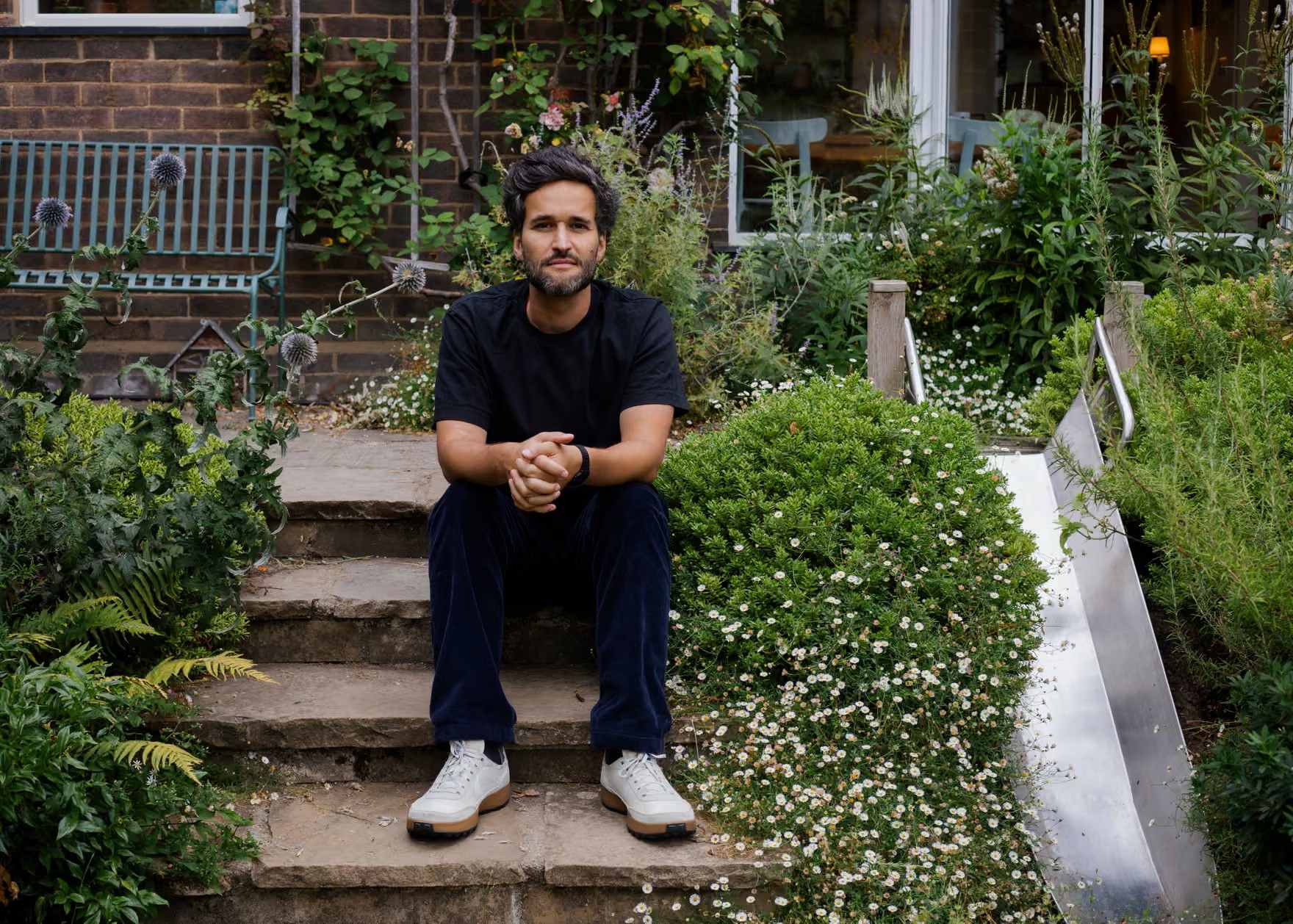
Daniel Susskind: "In the 21st century the best ideas will probably come from capable AI rather than from the heads of clever people"
Source: theguardian.com