
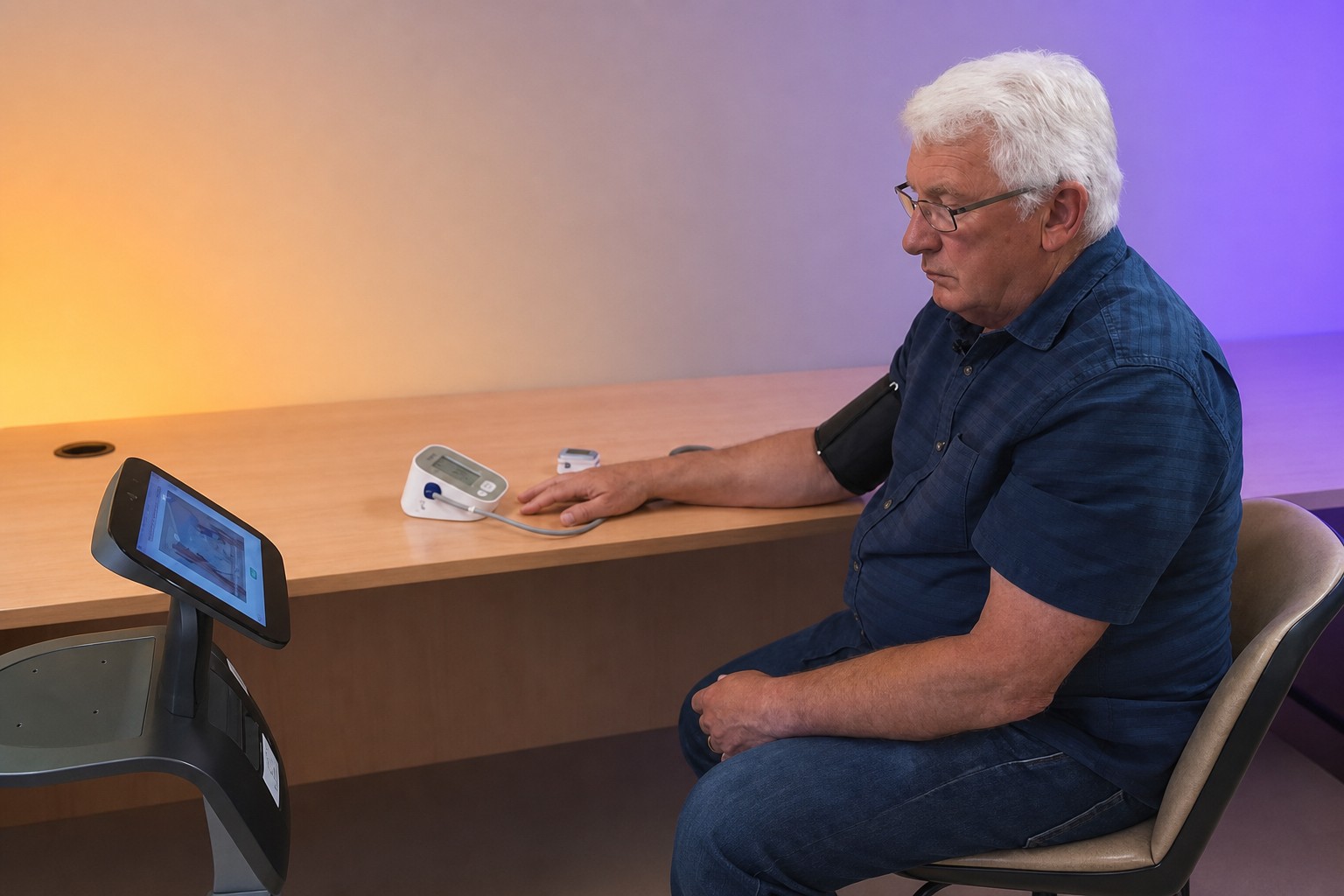
A robot roughly 90 centimetres tall spent two days in a general practice in Dundee taking blood pressure, blood oxygen saturation and weight from patients before they saw a doctor. The trial, called HEART-POD and run with researchers from the National Robotarium at Heriot-Watt University, covered 12 patients with cardiovascular disease and reports one headline result: consultation time fell by 50%. That is the entire evidence base so far — two days, 12 people, one prototype that currently speaks with an American accent.
The robot is called Teme. It meets the patient in the waiting room, escorts them to the examination room, explains how to unroll the blood pressure cuff, where to put their arm and how to switch the device on. It then talks the patient through the process and prints the results, which go to a nurse or GP for the actual discussion.
Ged Cashley, 72, was one of the patients. He has had annual check-ups since a cardiac arrest in 2018, and says the robot was strange at first before it stopped being strange. His argument for it is the practical one: the opening stretch of almost any consultation is spent collecting basic information, and if the robot collects it, the doctor already has the numbers and more of the appointment left for the patient.
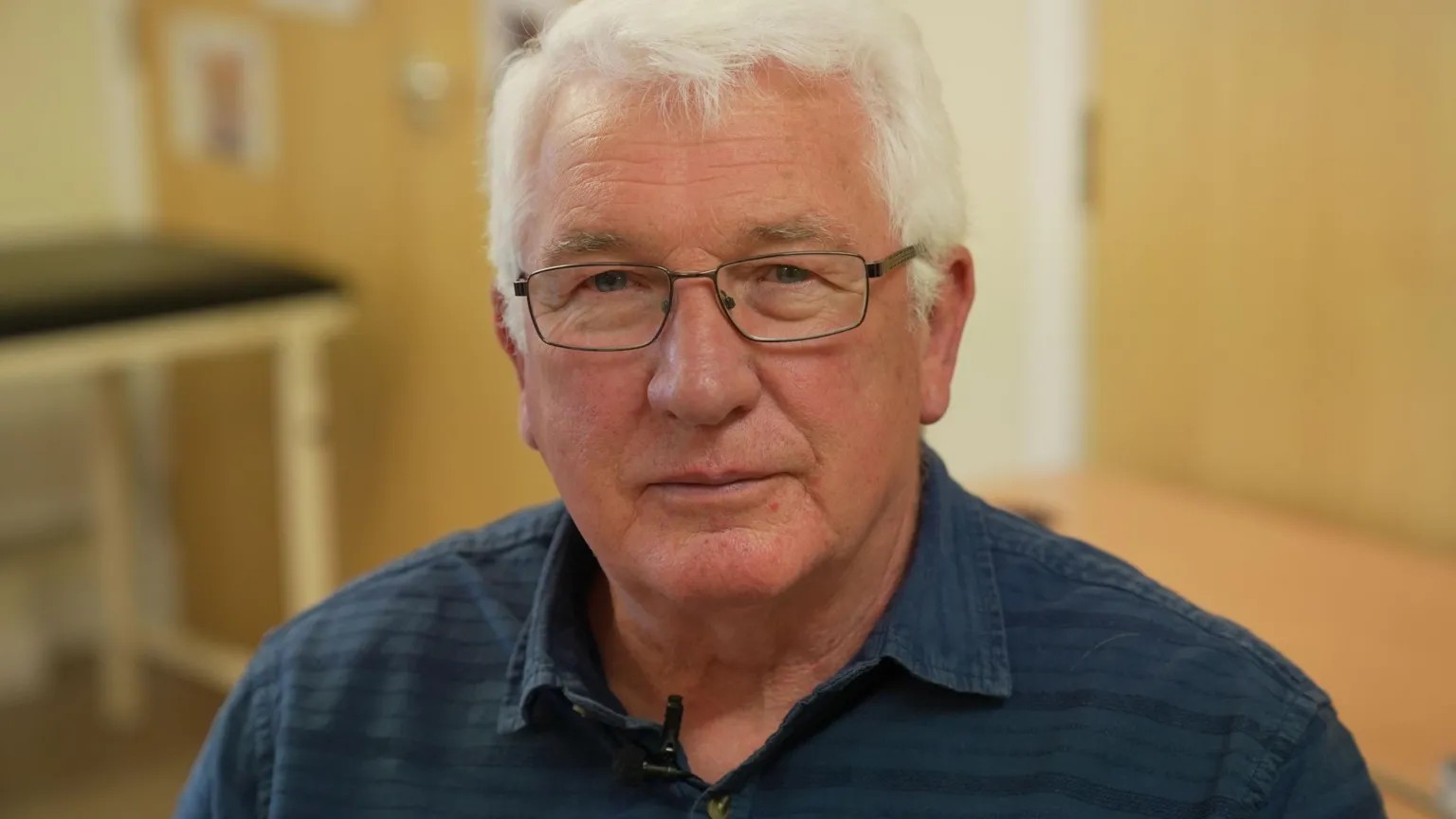
His GP, Dr Gillian Chin, frames it as throughput: robots could let clinical staff see more patients in less time. She describes an NHS under serious strain, with demand for care growing faster than the supply of appointments and the system's overall capacity. Staff and patient feedback from the trial was mostly positive, but it also surfaced problems that need solving before anything wider happens. Some participants did not want to talk to a robot in the waiting room, and raised confidentiality as the reason.
Robotics is not new to British healthcare. Surgeons speak well of robotic operations, citing the complexity of what they can attempt and the speed of patient recovery. AI tools are already deployed in parts of the NHS, including systems that help radiologists find cancer. Each wave has brought the same three objections: diagnostic accuracy, patient data confidentiality, and what it means for headcount.
Both of Scotland's relevant royal colleges said versions of the same thing, unprompted. The Royal College of General Practitioners Scotland accepts that robots can handle simple tasks and support doctors, but its deputy chair, Dr Chris Williams, insists technology must assist clinicians rather than replace them, and that the relationship between patient and doctor cannot be reproduced by technology alone. Colin Poolman, executive director of the Royal College of Nursing Scotland, said nurses welcome investment in tools that help them work more effectively — provided the tools support nursing staff rather than substitute for them.
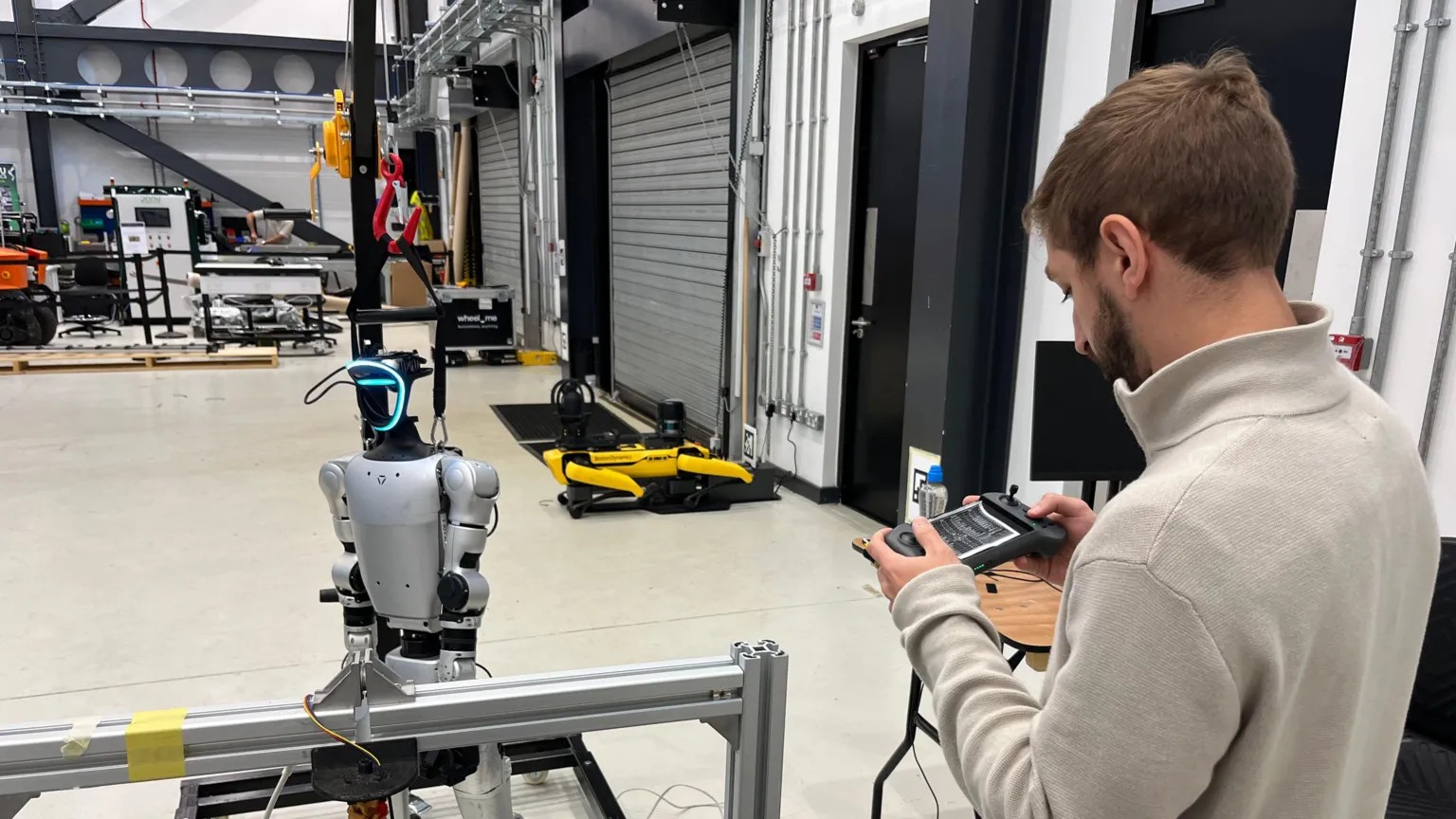
The developers think adoption could be faster and broader. Lisa Farrell, who leads business development in medical robotics at the National Robotarium, points to how quickly humanoid robots are improving and where they are already turning up — homes, leisure venues, shopping centres — while health services have nothing like the same penetration. Medical robots, she says, are not designed to cut jobs; they are for the "boring, dirty or dangerous" work, freeing staff for the parts where human capability matters. She puts the United States and Japan ahead of Scotland and the UK, and says closing that gap needs political will and momentum.
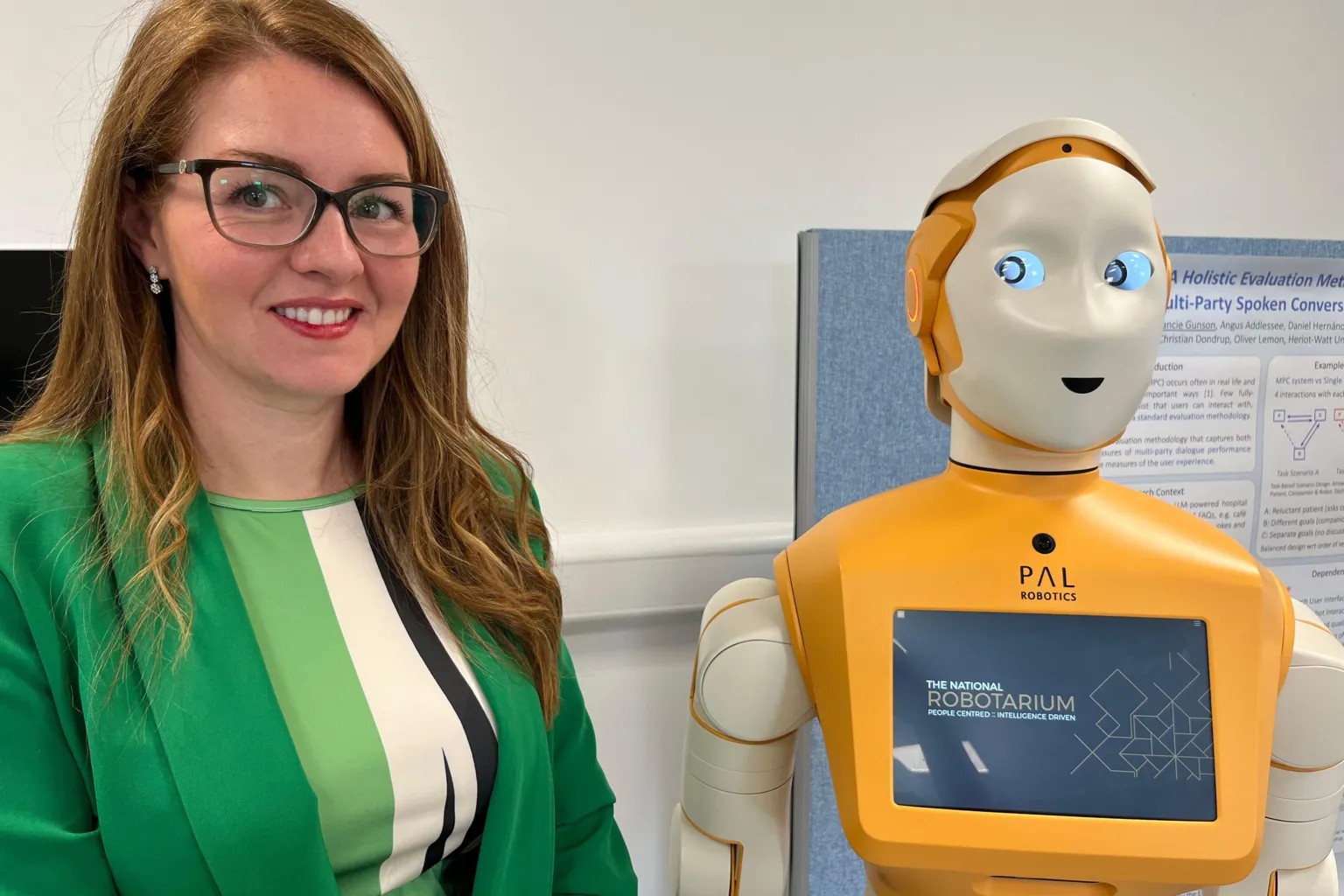
The Robotarium is running several small pilots, Dundee among them. It has tested medical robots in a hospital in Paris and will shortly run a trial in a care home in Glasgow. Most of this work is currently funded by private companies. Cristina Tealdi, a professor of economics and co-researcher on the project, says the technology is improving quickly and can adapt to different needs, but that what is missing is national investment and real-world trials — the kind that would produce data on which solutions actually deliver value to the NHS and patients at a sensible cost. Adoption today is scattered, with no national strategy for technology in healthcare behind it.
Angela Constance, the health secretary, says innovation in health and social care is now part of reform plans, and points to measures already taken: support for AI-based physiotherapy services and £1.8m for a national digital dermatology platform, available to every GP practice, intended to cut waiting lists and catch skin cancers earlier.
My reading is that the 50% figure is doing more work in this story than it can carry. A 50% reduction measured across 12 patients over two days is a feasibility signal, not a finding, and the trial reports nothing about the accuracy of the robot's readings against a nurse's, nothing about cost per unit, and no comparison arm. There is also an unresolved question inside Chin's own case for it: saved time can be spent seeing more patients or spending longer with each one, and those are opposite uses of the same minutes. Which one a practice picks is a management decision, not a robotics one, and the trial does not force it.
The confidentiality complaint deserves better than being filed under patient squeamishness. Asking someone to state their health information to a machine in a shared waiting room is a design choice, and the participants who objected identified a real flaw in it rather than a discomfort with robots.
Tealdi's point about national investment sits awkwardly next to Constance's list. The concrete public money named here — £1.8m — went to a dermatology imaging platform, which is software. The robot pilots in Dundee, Paris and Glasgow are running mostly on private funding. If that pattern holds, the question of who pays to put robots into the NHS already has an answer, and the people who pay will have opinions about what the robots are for.