
From a moving pot to a startup
Electric Plant’s origin story began with a motorized plant stand. Years ago, co-founder and CEO Justin Mast read about a houseplant connected to a stand that moved it toward a light source when electrical signals in its tissues indicated it needed more light. Mast told TechCrunch the experiment drew him into the field.
He later founded Electric Plant with neuroscientist Lee von Kraus, who had worked with DARPA. For the past three years, the company has been collecting data for Bombadil, a large language model designed to analyze weak electrical signals in stems and tell growers what plants need.
The seed round will fund both sensor development and Bombadil. Onto Ventures and Climactic led the $11.2 million round, joined by Ponderosa, Endeavor Catalyst, Ludlow, Michigan Rise, The Fund, Schox VC and Doug Song.
Reading signals in the field
Growers already use soil probes, handheld spectroscopes and satellite imagery to estimate water, nutrient and light needs. Mast says these tools provide useful information but do not show precisely what is happening inside a plant, and many cannot keep pace with its needs in real time.
Electric Plant trained Bombadil using data from those existing instruments. The model now interprets electrical signals from about 125 plant species. The company says its sensors cost tens of dollars each, compared with existing solutions that typically cost thousands.
Source: techcrunch.com
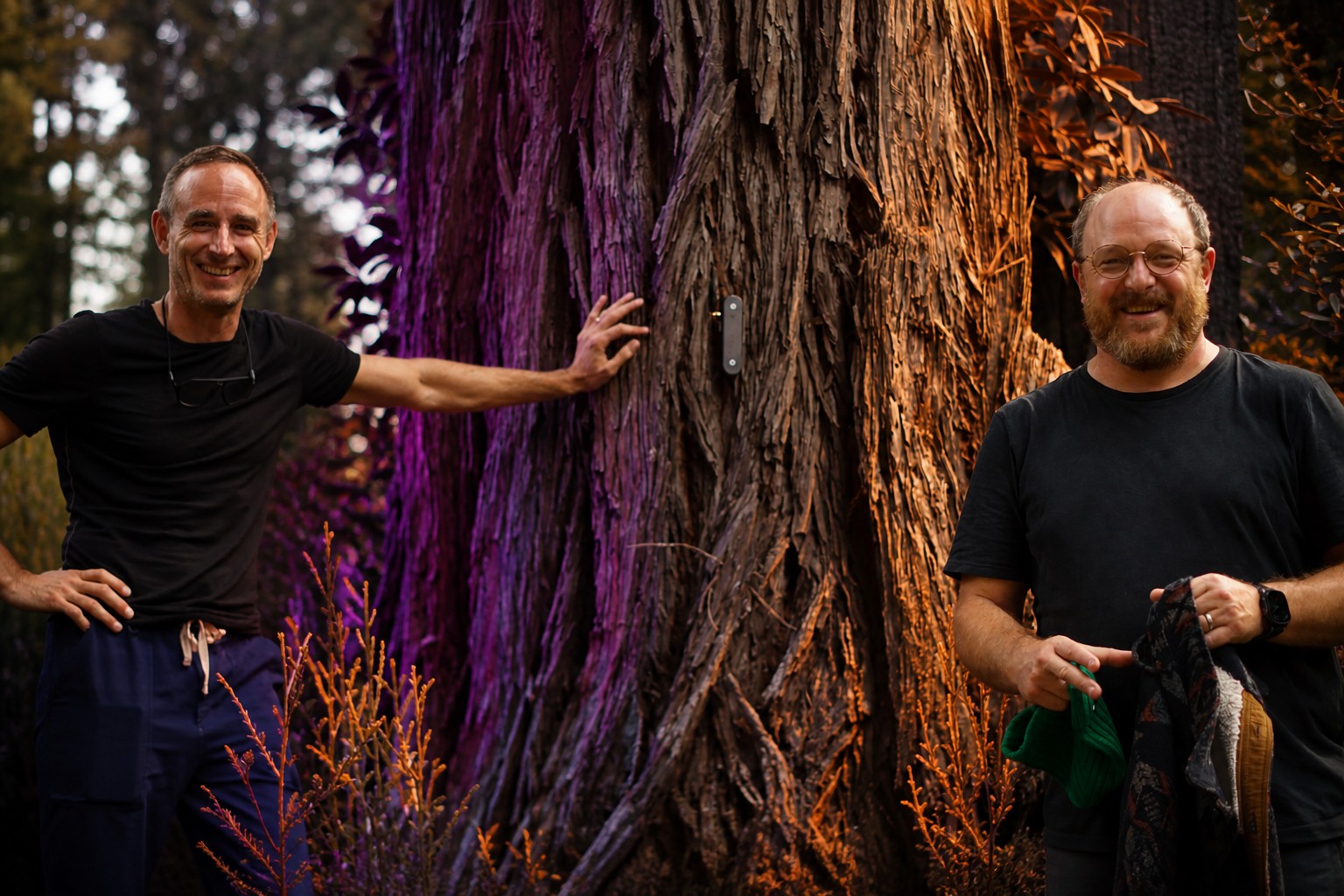
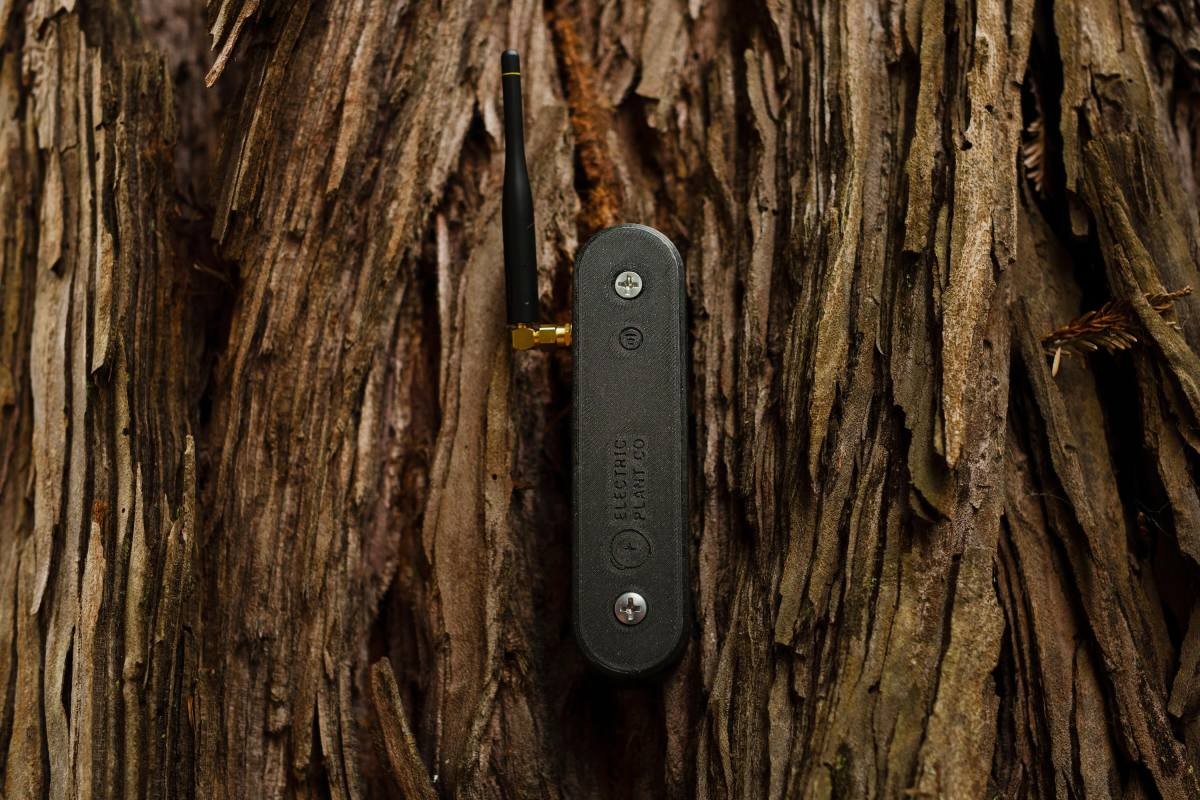
The sensor is about the size of an iPhone folded lengthwise. Stainless-steel screws attach it to the plant and pass through the cambium, the living tissue just beneath the bark, to detect changes in electrical voltage. It sends data wirelessly to a base station over a low-power connection.
A few sensors per acre are enough for what the company describes as accurate results. Bombadil processes the data in the cloud and sends its findings to the customer, who might adjust irrigation or fertilizer schedules. Mast says the system could increase yields while cutting water use by 20% or more. Electric Plant has not named its first customers; Mast cited agriculture and forestry as potential uses.
What the model has—and hasn’t—shown
Bombadil’s first 100-plus species span ferns, redwoods, tomatoes and dahlias, according to Mast. He calls it the most diverse model trained on biological electrical signals, adding that nothing comparable has been built for animals.
That breadth is notable, but it is not the same as showing that the model can reliably guide decisions across different crops and growing conditions. I think the harder test is not whether Bombadil can classify signals across many species, but whether its readings lead to better outcomes than the tools growers already use.
The company’s ambition is to help people “talk” with plants. For now, Mast says, Electric Plant is listening more than speaking. That distinction matters: the near-term product is a sensor-and-analysis system, and its case will rest on whether growers can trust what it hears enough to change how they farm.
Daily AI news
Every day we pick what actually matters in AI and explain it plainly — no hype, no filler. Subscribe if you want to follow where the industry is going.
Only what matters — every day
Follow on X