

A byline is easy to borrow
Geddes, a journalist and author of a book about circadian rhythms, first heard about the impersonation when a friend who edits at Nature asked whether she had pitched an article to a colleague. She had not. The impostor had contacted editors from a different email address, using Geddes’s published work to make the pitches look credible.
Three weeks later, a LinkedIn user tagged Geddes in a post praising their contribution to her New York Post article about “chronoworking,” or planning work around biological rhythms. Geddes opened the link and found her name above an article she had not written. Apart from one email interview, its quotes came from her earlier work, without attribution.
The New York Post said it had removed the article, conducted an internal review and passed the information to the relevant authorities. The impostor had also unsuccessfully pitched Science, Nature Medicine and Nature Health.
The trail may connect this case to another impersonation. Someone posing as journalist Caroline Williams persuaded a Science editor to commission and publish an article under Williams’s name, earning about $1,000. Geddes found that the fake Linda’s email account was linked to a partly masked Gmail recovery address. A Science editor independently found the same address pattern connected to the fake Caroline.
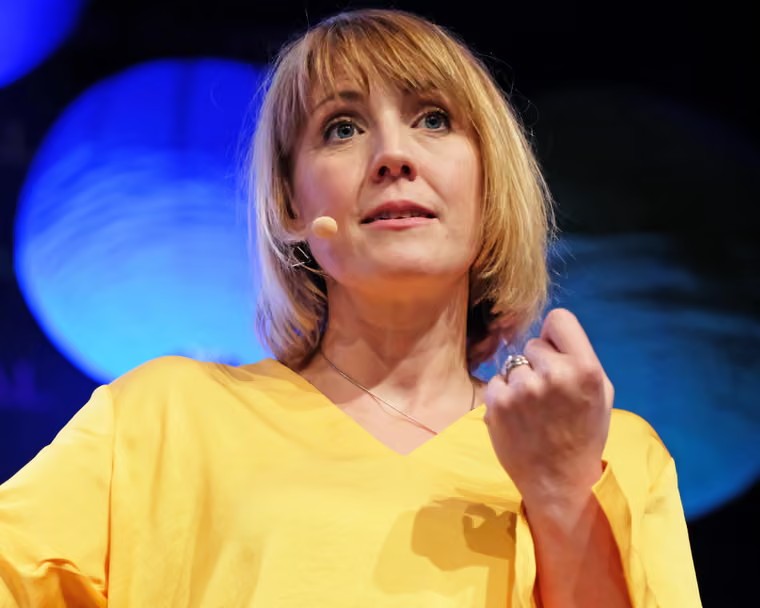
Linda Geddes: ‘As someone whose livelihood depends on the reputation I’ve spent decades building, I find this deeply unsettling.’ Photograph: Haybooks-May/Alamy
Source: theguardian.com
Geddes says the impersonation puts at risk a professional reputation built over decades. Even pitches that editors reject may damage relationships. She also says many of the fake Linda’s proposals resemble AI-generated text.
The motive is less clear. Geddes has considered whether a journalist with an unstable income might impersonate better-known writers to earn more, perhaps using AI to work faster. But she also lists other possibilities: public relations work for a client, testing how easily publishers can be deceived, or personal animosity. Cifas policy, strategy and communications director Simon Miller says the case is unlike the mass, automated fraud he usually sees. To him, it resembles an Agatha Christie mystery built with 21st-century technology.
The problem extends beyond journalism
The same kind of borrowed authority has appeared in research publishing. In April, Scripps Research professor Eric Topol found his name on a scientific paper he knew nothing about. Four of the five listed co-authors also knew nothing about it; the fifth could not be identified. The journal’s website disappeared hours after Topol posted about the paper on X.
Topol, a bestselling author, also found at least 12 books on Amazon under his name that he had not written, including cookbooks. “I can’t even cook,” he said. One supposed memoir particularly upset him after a patient told him that many of its events were false.
Leslie McIntosh, vice president of research integrity and security at Digital Science, said adding a respected researcher’s name to a paper without permission can make it seem more credible. Fraudsters also use prominent researchers’ names as editors of fake journals to make them look legitimate and collect publication fees. A false or misleading paper published under someone’s name can damage that person’s reputation, especially if the work is later retracted.
Employers face a related form of identity fraud. Google Threat Intelligence researcher Jamie Collier said criminals have used stolen personal information to take remote jobs in other people’s names, sometimes without the victims’ knowledge. Generative AI can help produce convincing resumes, tailored cover letters and fake evidence of work experience.

In April, Prof Eric Topol discovered his name on a scientific paper he knew nothing about. Photograph: Bloomberg/Getty Images
Source: theguardian.com
The next step could be real-time video filters and voice cloning. Collier said such deepfakes are only beginning to spread, but criminals are already testing whether they can use them to get past short video interviews and hide regional accents.
Writers are also targeted. The Society of Authors and the Writers’ Guild of Great Britain have warned about increasingly sophisticated scams in which criminals pose as literary agents and publishers to persuade authors to pay money or hand over rights. Society of Authors chief executive Anna Ganley said she personally receives five to ten fraudulent emails a day, sometimes posing as book festivals, agents, publishers or other organisations. Some authors have lost thousands of pounds.
Trust now needs more than a name
I think the striking part of the Geddes case is not simply that AI may help create plausible copy. The more immediate failure is that a byline, a familiar publication and references to real work can make a false identity look credible before anyone checks who is pitching. The reporting offers several theories about the impostor’s motive, but no answer about who is behind the accounts.
There are further possible links. Geddes found a third science journalist, Sarah Novak, who may be connected to the fake Linda and fake Caroline. In August, someone posing as Novak apparently pitched Chemical and Engineering News and was rejected. The email address Novak shared with Geddes was linked to the same masked recovery address.
That uncertainty also creates costs for publishers. Nature Health editor-in-chief Ben Johnson said readers trust the Nature name for evidence-based information. A fake journalist sending AI-generated copy could leave an editor spending hours reworking poor writing and checking fabricated quotes. Johnson said the case would make it harder for him to commission freelance journalists he had not worked with before.
Editors are already changing their checks. After Science published the fake Caroline’s article, managing editor John Travis said the team began screening pitches and drafts with AI detectors, which are not always accurate, and now requires Zoom calls with new writers. Nature editors are also making time to speak with unfamiliar contributors before assigning work.
But a video call is not proof of identity. Google Threat Intelligence recently described North Korea-linked hackers using real-time deepfakes to lure executives into Zoom calls with people they trusted. Collier said the attackers faked video and audio problems to persuade targets to download a “troubleshooting tool” that stole login details and crypto-wallet contents.
Miller advises verifying unexpected approaches through a known email address or phone number. McIntosh recommends several checks rather than relying on one, comparing the approach to airport identity screening. People whose names are being misused should warn professional contacts and monitor for further attempts, Miller said.
Under UK law, impersonating someone to obtain paid work may constitute fraud, according to Rupert Earle, senior legal counsel at London law firm Bates Wells. Victims may also have grounds for civil claims involving the misuse of business reputation or false attribution. But finding the person responsible and bringing a case can be difficult, particularly when work is published abroad and the impersonator’s location is unknown.
Geddes plans to report the case to the UK’s Report Fraud service and has written to the impostor demanding that they stop. The fake account has gone quiet. That silence leaves editors with a harder task than spotting suspicious prose: deciding how much verification a byline now requires.

Daily AI news
Every day we pick what actually matters in AI and explain it plainly — no hype, no filler. Subscribe if you want to follow where the industry is going.
Only what matters — every day
Follow on X