
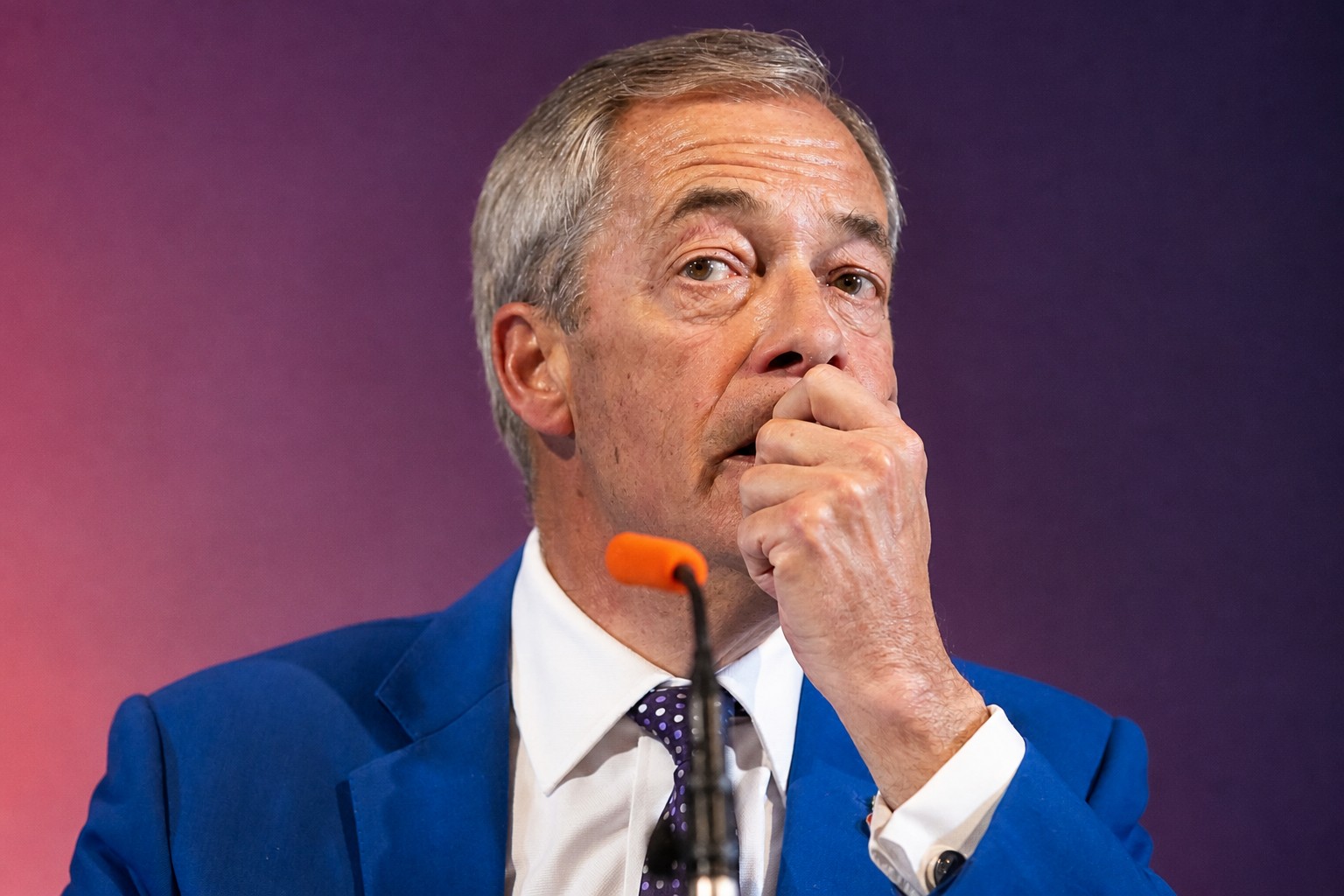
Nigel Farage left the Daily Telegraph after nearly a decade of writing columns for which the newspaper paid him about £4,000 a month — almost half a million pounds over the entire period. The new owners, Axel Springer, are also discussing the departure of columnist Allison Pearson, but staff say the cuts at the paper are driven primarily by financial difficulties and plans to expand the use of AI. More than 100 people could lose their jobs before Christmas — almost 20% of editorial and commercial staff. The sports and culture desks are expected to be hit hardest.
Telegraph cuts are tied to Axel Springer’s shift to AI
Political theories and departing writers
Farage wrote for the Daily Telegraph from 2016. In his columns, he supported Brexit and later Reform UK, the party he leads, and criticised rivals for making concessions on immigration. After reports that the relationship had ended, sources close to Farage said he had left of his own accord.
The newspaper is also reportedly in talks about Allison Pearson’s departure. Pearson spoke positively of the “rough charm” of far-right activist Tommy Robinson. Together, the reports prompted speculation that Axel Springer wants to halt the Telegraph’s shift to the right and return it to a traditional conservative line.
Discussion of the job cuts has focused on controversial columnists. Some subscribers threatened on X to cancel their subscriptions, citing Axel Springer’s pro-European stance and the company’s internal LGBTQ+ network. But changes in the newspaper’s political tone do not explain the scale of the cuts. One member of staff attributed them primarily to financial pressures.
Cuts will affect different departments
The Telegraph is under pressure from falling print sales and declining traffic from search engines. When announcing the cuts to staff, Telegraph Media Group CEO Carolyn Hulssoff Pol also said that AI is changing the media market.
The company has not confirmed the number of job losses. The sports and culture desks are expected to be hit hardest — traditionally important parts of the Telegraph’s coverage. Some journalists have already announced their departures.
They include Liam Halligan, who wrote the economics column for 27 years. His departure prompted sympathy and outrage on X, with some users concerned that the newspaper would shift to the left. Few, however, discussed reports that Axel Springer CEO Mathias Döpfner supports X owner Elon Musk and urged him to back Germany’s far-right Alternative for Germany party. The Telegraph itself reported on this earlier.
Lisa Markwell, head of long-form journalism and a former editor of the Independent on Sunday, is also leaving. Her departure does not fit the theory that the cuts are aimed only at writers with far-right views.
The decline in anti-immigrant and pro-extremist rhetoric may reflect a change in the political climate: Reform UK and right-wing MAGA supporters are going through a less successful period. According to one senior Telegraph journalist, almost everyone in the newsroom supports Brexit.
A long wait for a change of ownership
Before Axel Springer’s purchase, staff expected cuts under any new owner. For three years, the assets of the previous owners, the Barclay family, had been under the control of Lloyds Bank. Potential buyers included RedBird IMI and the owners of the Daily Mail; all were expected to cut costs, especially after the paper’s price reached a level that, in the author’s assessment, was hard to justify economically.
Media companies facing a business-model crisis and declining trust usually reduce staff gradually. Axel Springer, by contrast, was in a hurry: the company had waited 22 years since its first offer to buy the Telegraph and no longer wanted to delay the deal. In June, Döpfner excited the newsroom with a plan to enter the US market and present the Telegraph as a centre-right newspaper defending free speech — a rival to the Wall Street Journal and the New York Times.
Those ambitions recalled a statement by Rupert Murdoch during a legal dispute over the future of his family trust. He said his newspapers should defend a conservative voice in the English-speaking world.
An AI-based plan
It has now emerged that Axel Springer’s strategy involves a broader use of AI. The details have not yet been disclosed, but the technology could help streamline the production of content across the company’s publications, including Politico and Business Insider.
Staff learned of the intention to turn the company into “a global premium media business and an AI-based analytics business” in a letter signed by Hulssoff Pol and Telegraph editor Chris Evans. Columnist Jane Martinson thought its tone resembled text written by ChatGPT.
Martinson notes that Farage is unlikely to need sympathy: it seems he will still be able to earn large sums from different kinds of work. The situation is different for the more than 100 journalists who may face Christmas without jobs.
Jane Martinson is a lecturer and Guardian columnist, and a member of the board of trustees of the Scott Trust, which owns Guardian Media Group. In her column, she writes in her own name.
Dataist’s take: The cuts at the Telegraph show how AI plans intersect with pressure on traditional media: Axel Springer links the technology to a restructuring of its entire business, and the consequences may already affect newsrooms and journalists. The company has yet to disclose exactly how it will use AI, so the scale of changes to content production remains unclear.
Daily AI news
Every day we pick what actually matters in AI and explain it plainly — no hype, no filler. Subscribe if you want to follow where the industry is going.
Only what matters — every day
Follow on X