
A local backlash with IPO timing
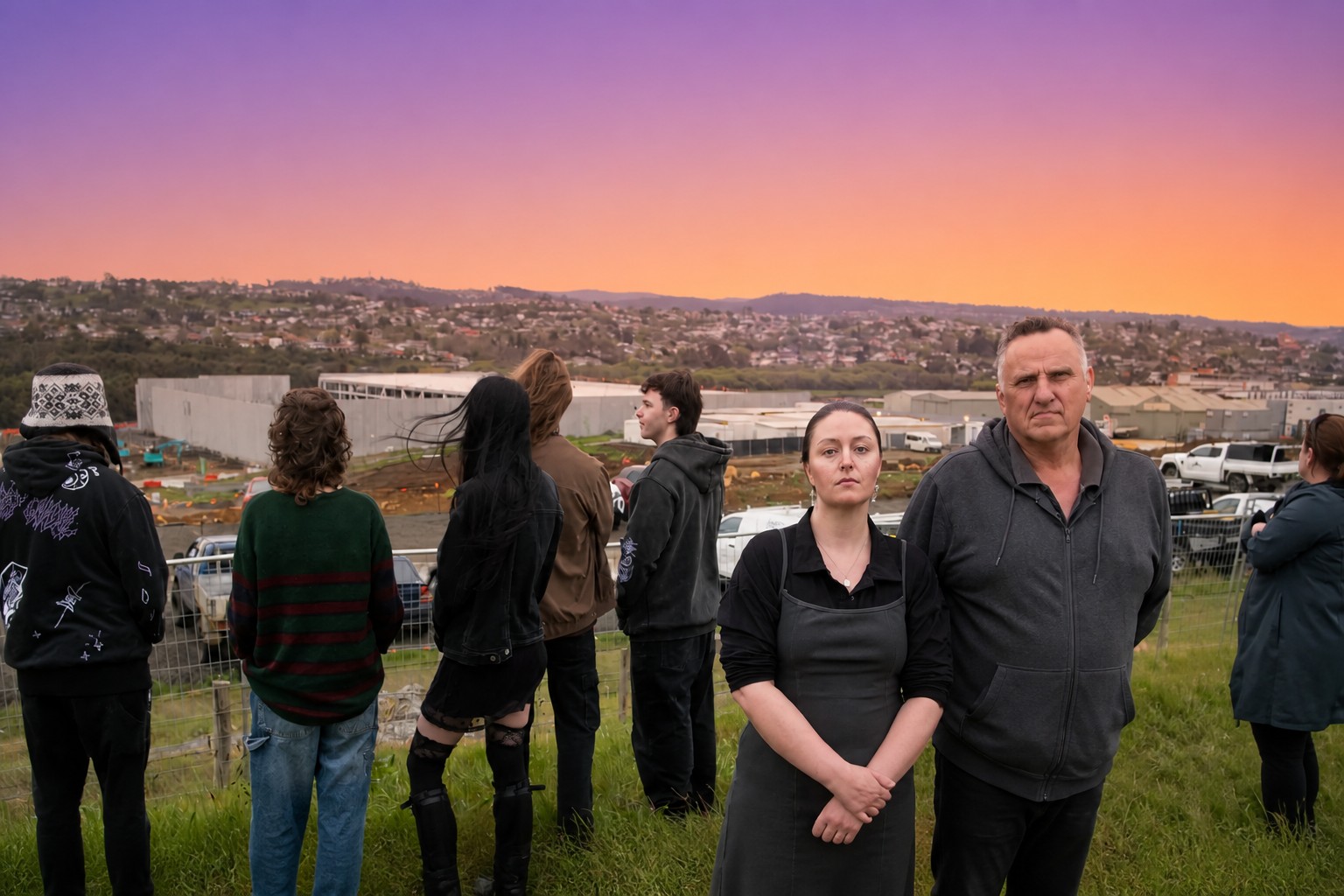
In Launceston, a 104-megawatt data center in St Leonards was fast-tracked for approval last September. The project is valued at $2.1 billion, and there were no public hearings before it was approved. Residents including Kayla Thompson say they learned of Firmus Technologies’ plans only after construction began.
Thompson said the company began discussing the project with residents only after they had to deal with the consequences of the decision. By then, she said, it was too late. In June, with opposition threatening two more proposed data centers in northeastern Tasmania and the IPO only months away, Firmus organized dozens of community meetings with prepared talking points.
Joe Zadravec, who lives near another proposed site, said Firmus acknowledged it had made mistakes and should have acted differently—but only after it was caught out. A company spokesperson said the backlash in Launceston prompted a review of its community engagement program, and that feedback would continue to shape its approach.
The friction is not just a communications problem. Data centers can strain electricity and water supplies, rely heavily on backup diesel generators, and arrive through fast-track approvals that leave residents feeling excluded. In the United States, Tulsa, New Orleans and Birmingham have temporarily halted data-center permits and construction. In Sydney, Goodman Group recently abandoned a plan to build one near a public school after protests.
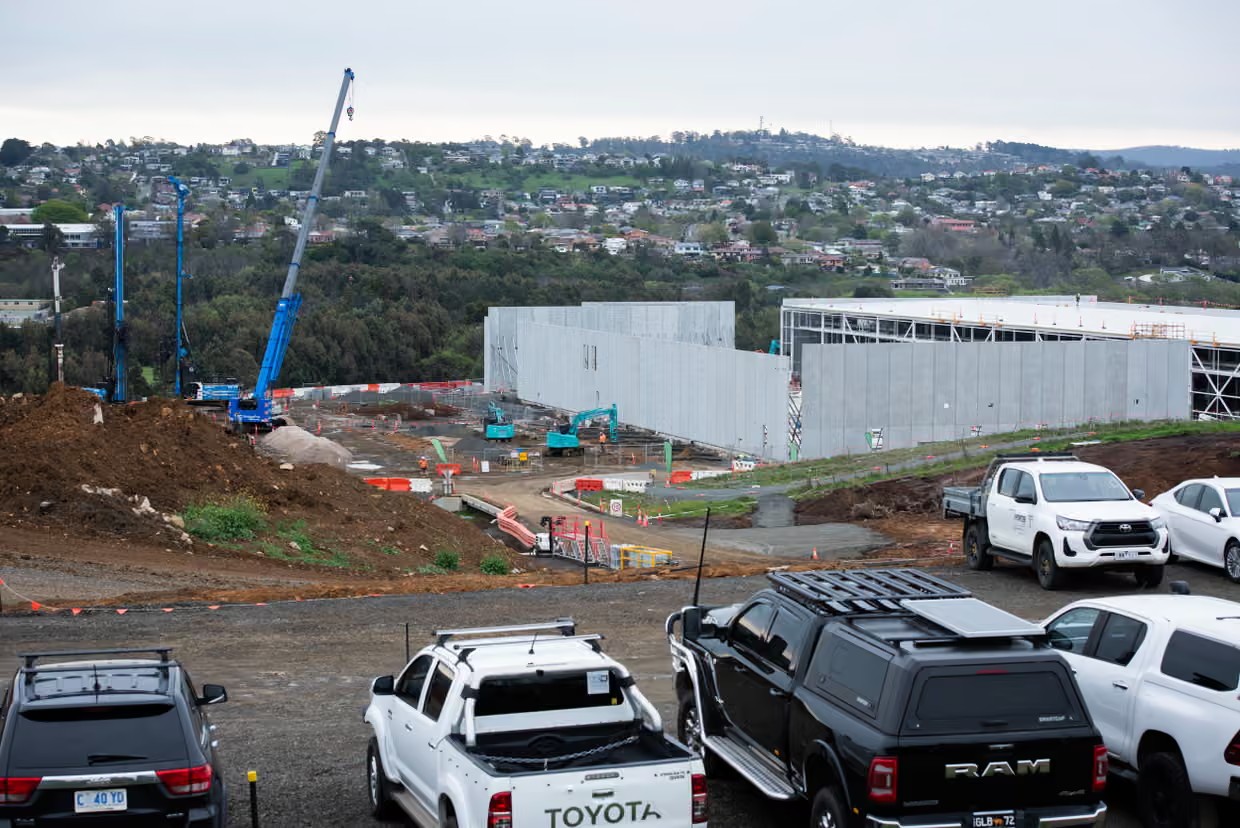
The $2.1bn Firmus AI datacentre being built at St Leonards in Launceston. Photograph: Sarah Rhodes/The Guardian
Source: theguardian.com
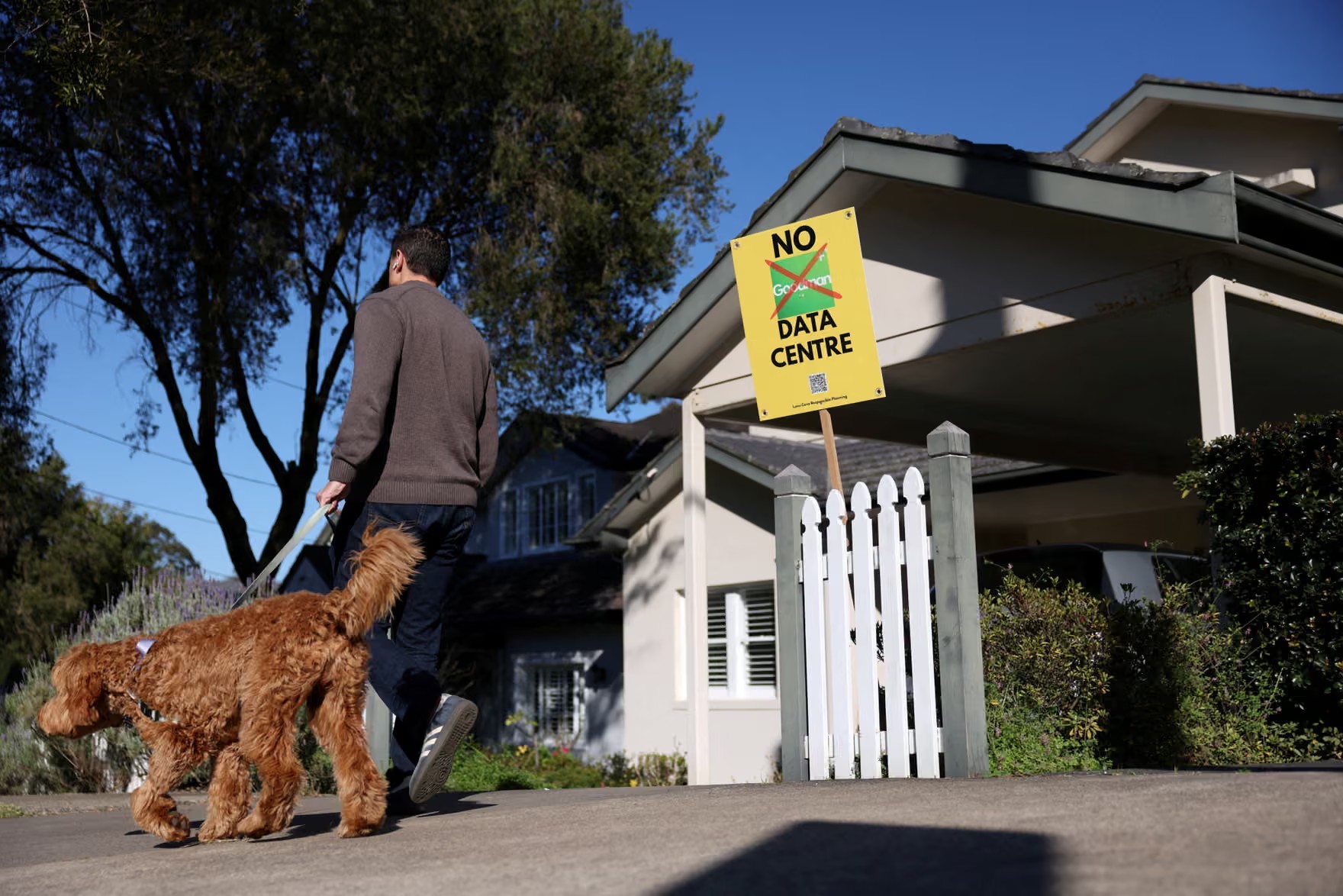
Goodman Group has withdrawn plans for a datacentre near a school in Lane Cove, Sydney, amid local opposition. Photograph: Hollie Adams/Reuters
Source: theguardian.com
A valuation ahead of the business
A year ago, private investors valued Firmus at just under $2 billion, when local councillors approved a five-hectare “AI factory” in Launceston. Its valuation then rose sharply after the company announced plans for liquid-cooled data centers across the Asia-Pacific region with Nvidia, which is both an investor and an equipment supplier.
In less than 12 months, Firmus has moved from $2 billion to a target of $40 billion or more at listing. Investment analysts have put forward figures of up to $100 billion—twice Telstra’s market value.
A fund manager who reviewed a draft prospectus told Guardian Australia that the valuation seemed to be rising on its own, while little had changed in the business. He did not say Firmus was worth nothing, but said it was trying to list at an inflated price. The prospectus forecasts annual profit of $5 billion once the project portfolio is developed. The fund manager said the company needs large amounts of capital and more borrowing or share issuance to cover losses, making that profit projection seem like a fairy tale. Firmus declined to answer Guardian Australia’s questions about whether its forecast and valuation were realistic.
The company is asking investors to buy into a future that still has to be built. A similar data-center venture in the United States was recently delayed after bankers could not find buyers willing to support a valuation of $50 billion or more, the New York Times reported. For Firmus, the test is not only whether it can raise money, but whether it can turn plans into operating facilities amid the local resistance already visible in Tasmania.
Who gets to exit
Rob Talevski, chief executive of Webull Securities Australia, warned that retail investors could become an exit route for early institutional backers. Among Firmus’s early investors are New York trading firms Blackstone and Jane Street.
The IPO will make only a small shareholding available to trade, while founders and early investors retain most of their shares. That limited supply could push the price up at first, allowing early holders to sell before more shares reach the market. Blackstone and other large investors have no lock-up agreements, so they can begin reducing their stakes as soon as Firmus lists.
Firmus founders Oliver Curtis, who served time for insider trading, his cousin Tim Rosenfield and Curtis’s former brother-in-law Jonathan Levy will be able to sell some shares six months after the offering if the price rises. Richard Hemming, editor of Under The Radar Report, said the risks to retail investors were being understated. He also called it striking that a company that started with almost nothing expected to become larger than Telstra.
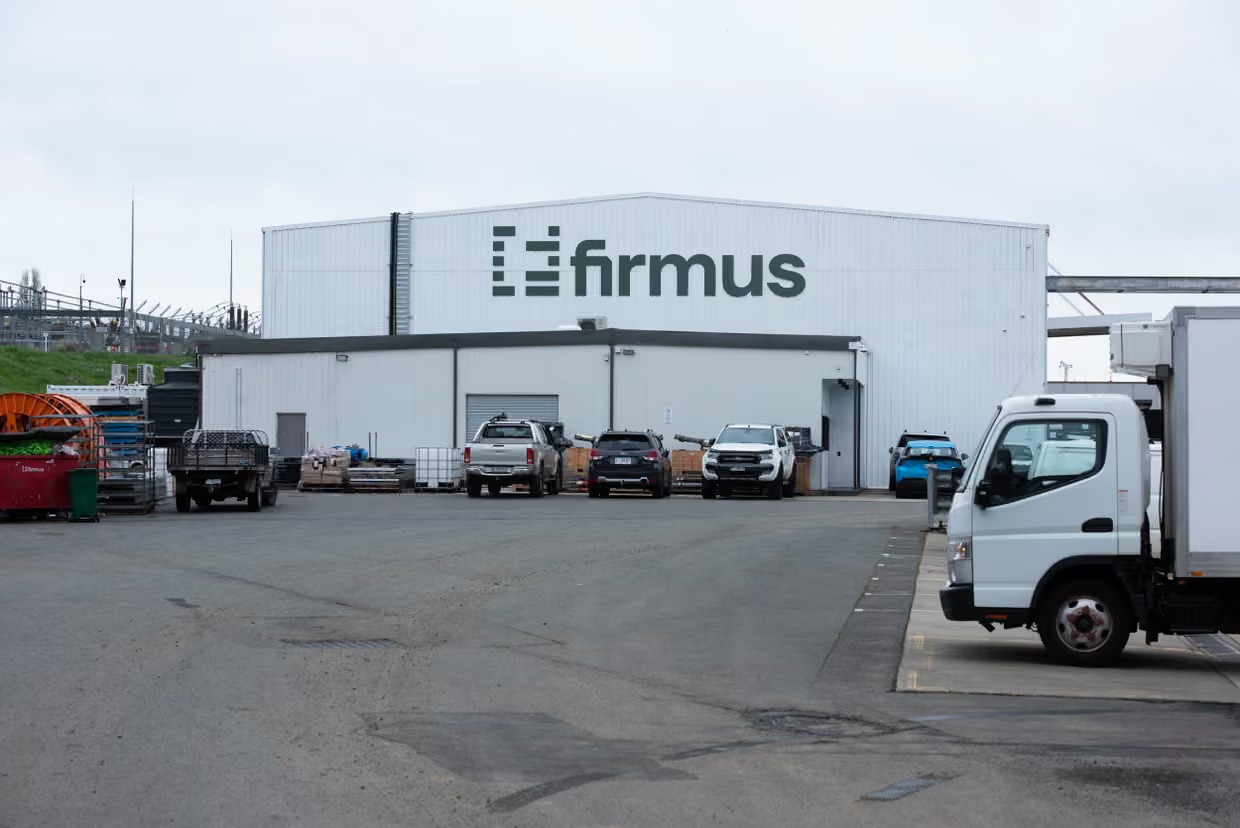
An entrance to the St Leonards datacentre. Photograph: Sarah Rhodes/The Guardian
Source: theguardian.com
I think the offering’s most important unanswered question is how much of its valuation depends on projects that have not yet been built—and how much room new investors will have to judge that for themselves before early holders can sell. The share float is small, the forecasts are ambitious, and the project portfolio is still largely prospective.
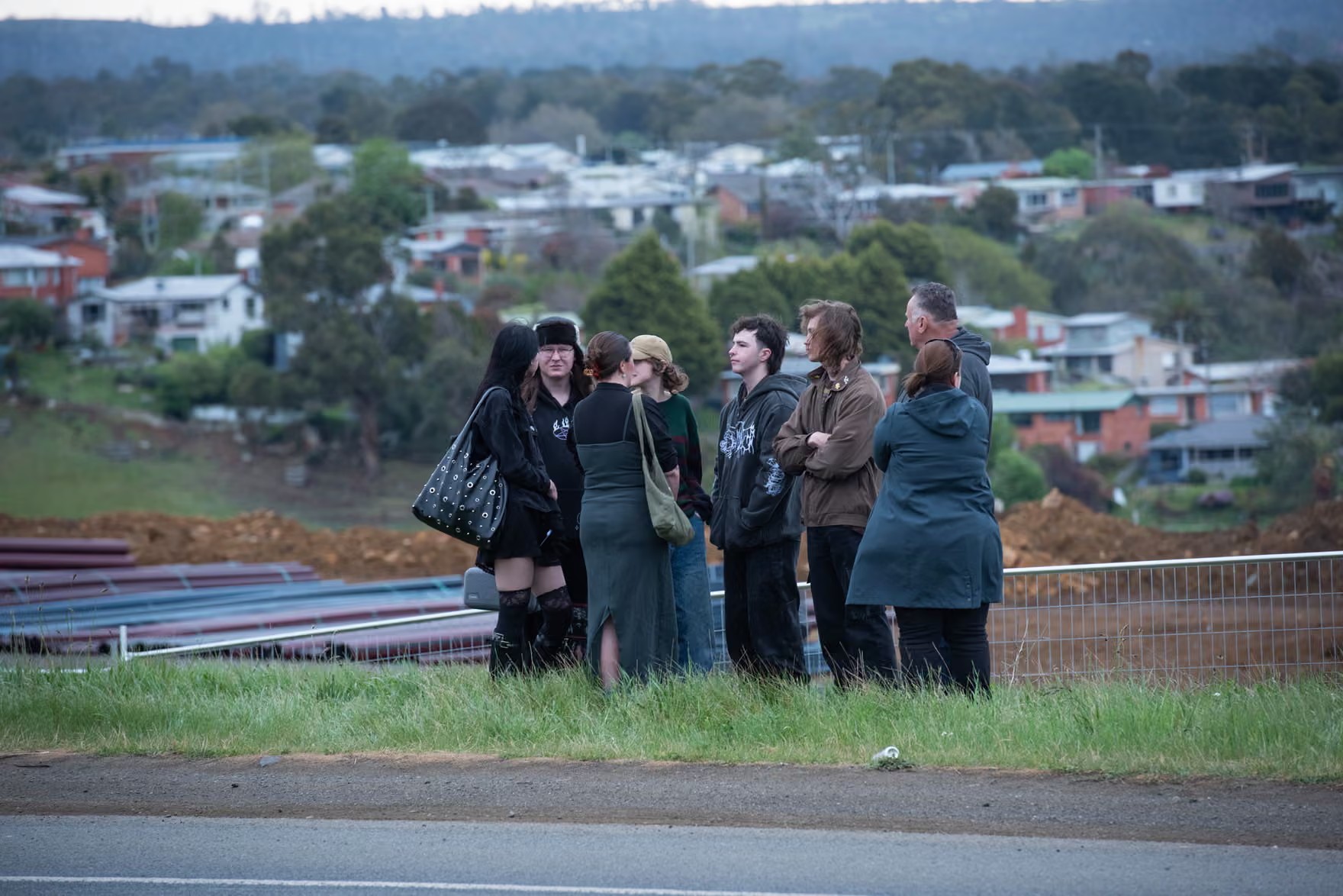
Critics of the St Leonards datacentre gather to observe building work. Photograph: Sarah Rhodes/The Guardian
Source: theguardian.com
Back in Tasmania, Firmus has also turned to sports sponsorship. Its name will appear on the uniforms of the Tasmania Devils Australian Football League team, Tasmania’s cricket team, and the JackJumpers and Jewels basketball teams. Emma Sherry, dean of the School of Management at RMIT University, called the practice “sportswashing.” She said it works only up to a point: companies hope residents’ love of sport will help them overlook a potentially troubling relationship.
Firmus called that criticism unfair. A spokesperson said the company was founded in Tasmania, where its employees live and are passionate about sport, and that sponsorships do not replace careful, substantive work with local communities.
The sponsorships have done little to ease concern among the project’s active opponents. Thompson said people already distrust AI and asked why they should trust this company. For Firmus, the answer cannot come from a listing price or a team uniform; it has to come from whether residents see a say in the projects changing their towns.
Daily AI news
Every day we pick what actually matters in AI and explain it plainly — no hype, no filler. Subscribe if you want to follow where the industry is going.
Only what matters — every day
Follow on X