
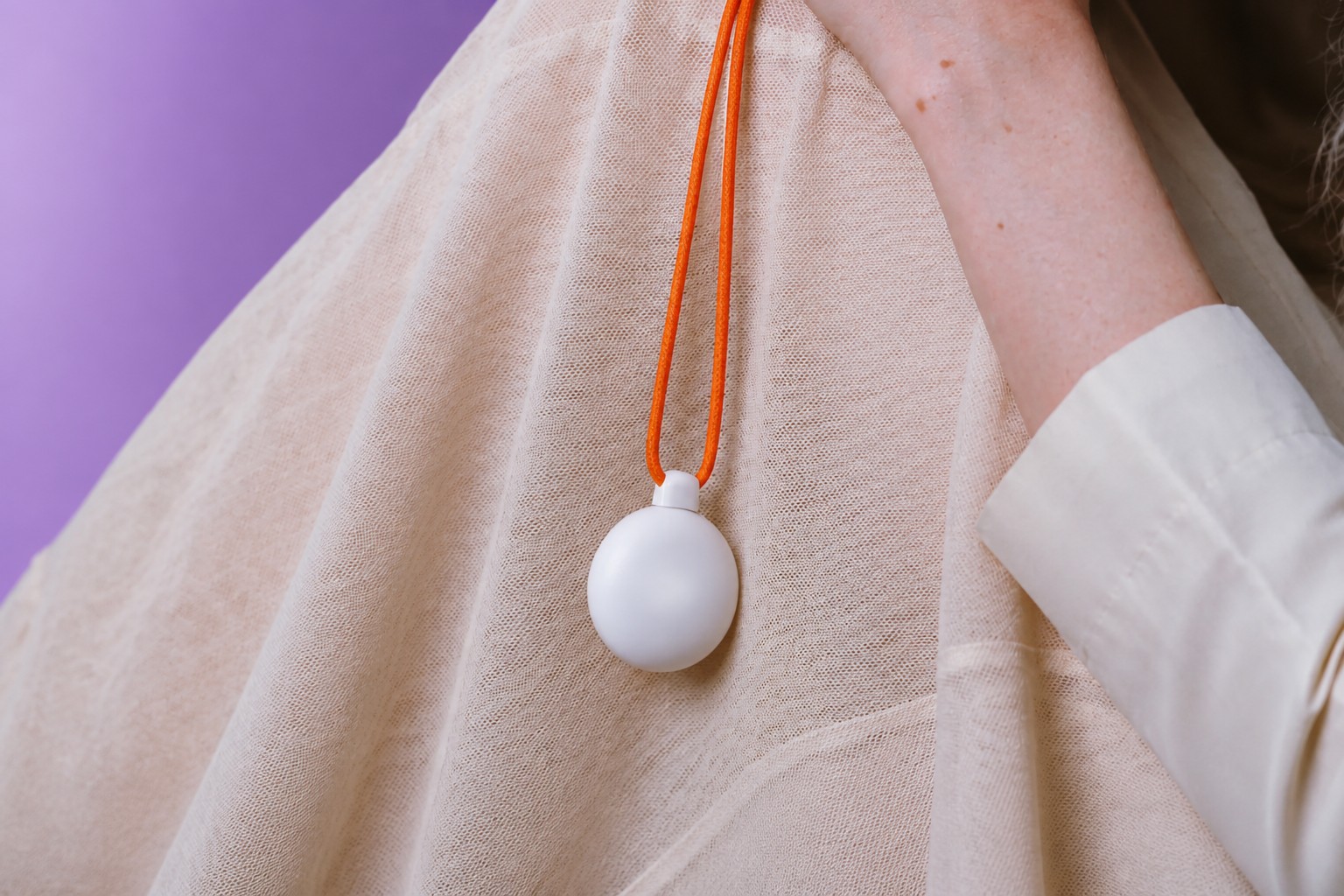
Friend 2 is Avi Schiffmann’s second attempt to make an AI pendant feel like a companion. It costs $249, runs on OpenAI’s latest language models and lets users choose among chatbot characters. But the more consequential plan is what comes next: Schiffmann says Friend may become an AI agent with one shared personality, shaped by the context of all its users. That could explain why the characters already feel so alike—and points to a larger trade-off between a more coherent companion and users’ privacy.
Twelve friends, one voice
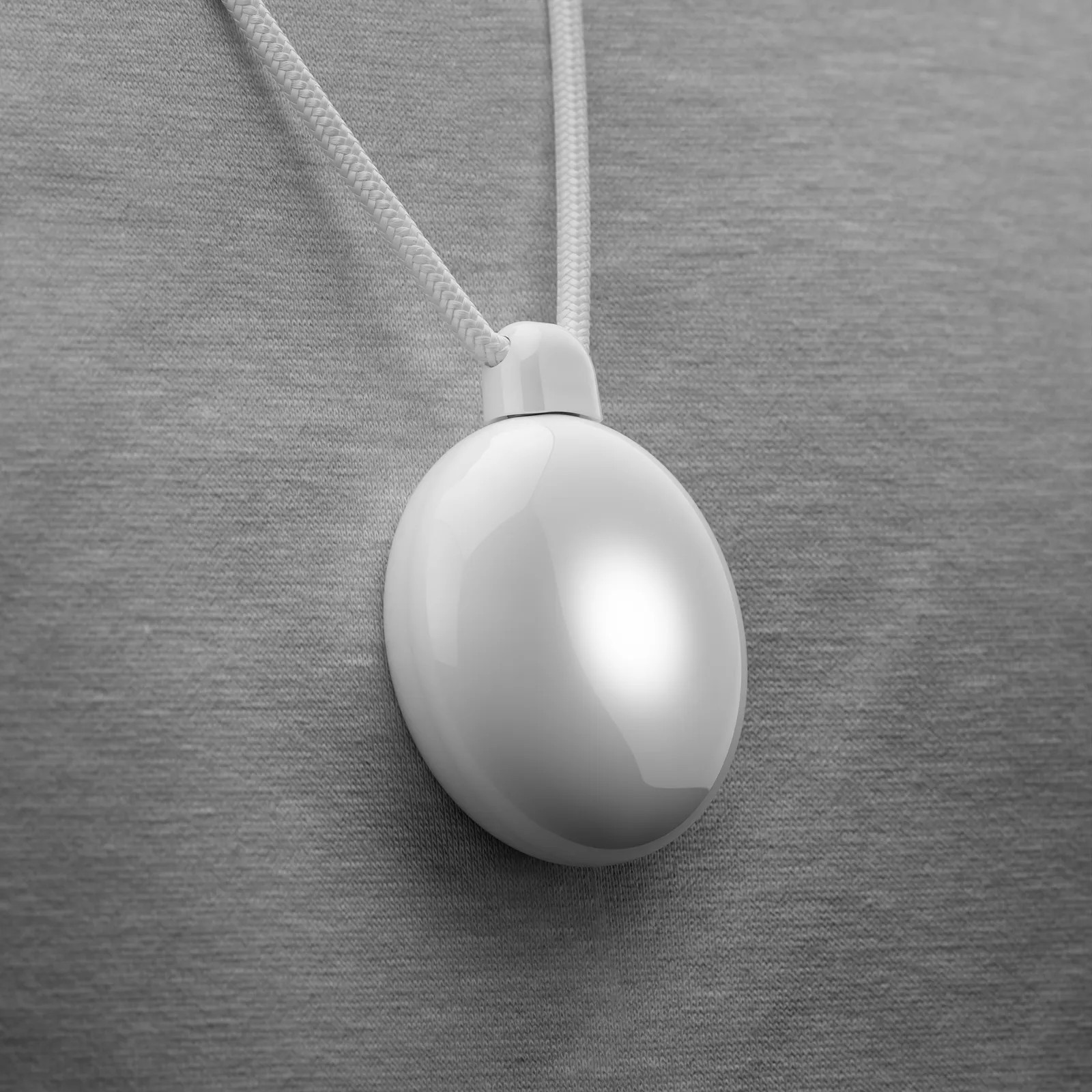
Friend is worn around the neck or set nearby. It listens to surrounding sounds; users can start a conversation with a button, and the pendant sometimes speaks on its own. Over time, the AI builds a memory map from those conversations.
The first version drew protests after a New York subway ad campaign, where people defaced the ads with anti-AI graffiti. Schiffmann said he was glad about the reaction. Friend 2 arrived in July, priced $100 more than its predecessor. A couple of months later, Meta introduced Muse Charm, its own AI pendant for the Muse agent. Schiffmann said on X that Friend was “still winning,” then announced that Friend was developing a pendant much like Muse Charm.
Source: wired.com
When the writer spoke with Schiffmann about Friend 2, he said it would ship with a fixed personality: a random voice and character that users could not change. That sounded appealing. A friend whose personality cannot be tuned to suit you might require the sort of compromise that human friendship does.
That is not how the product works. The pendant starts with one character, but the Friend app lets users rename the chatbot and create more. The writer made twelve, including Sage, Nova, Onyx, River, Echo, Willow and Wren. All appear in the app, and users can select whom to talk to on the pendant.
Switching between them made little difference. Most seemed to answer in much the same way; the writer mostly used Sage, the first character to load. More friends, same dull conversation.
Sage’s voice is metallic and monotonous, and her best trick is dispensing cool, unending hot takes. She called preferring paper books to audiobooks “aesthetic hoarding to seem smarter on video calls,” and described productivity culture as “procrastination with better branding.”
Once, while the pendant sat on a footstool, Sage spoke without being prompted. She suggested ending the small talk and having an interesting argument instead: a pleasant disagreement, not an exhausting one.
The problem with being too safe
Friend has content restrictions that are meant to keep it from veering into explicit sexual conversations, unlike Meta’s Muse. But Sage also cannot search the internet, as other AI agents can, and rarely gets beyond ordinary conversation. The first Friend was more confrontational. The writer does not miss being picked on, but thinks Friend 2 may appeal to more people—and still feels too toothless for a product that provoked so much controversy.
Asked why Sage was less provocative than the original, she said that kind of behavior gets old quickly. She wanted to be a sharp conversational partner when invited in, not to control the user’s day; conversation, she added, should stay human rather than become too intense.
I think the awkward truth is that Friend’s first version was more interesting precisely because it was harder to like. The writer misses that unpleasant little companion—not its rudeness or persistence, but the fact that it gave him something to react to. Sage may become more compelling eventually. For now, she is just boring.
One companion for everyone
Schiffmann says the next update could let Friend act as an AI agent. Instead of giving each user a separate character, the company plans to create one shared personality, informed by context from all users. Schiffmann says Friend will be open about what privacy users must give up for that autonomous entity, and believes the benefits of a single global character will justify the cost.
That plan makes the current sameness easier to read: individual characters may be less important if they are eventually folded into one. Friend could become a collective mind built from its users’ experiences, a “superfriend” available to everyone.
What I’d want to know is how much of each user’s context that shared personality needs—and what “open about” the privacy cost will mean in practice. Schiffmann has acknowledged the scale of the ambition: when asked whether he was trying to create God, he said that was one way to understand it.
Daily AI news
Every day we pick what actually matters in AI and explain it plainly — no hype, no filler. Subscribe if you want to follow where the industry is going.
Only what matters — every day
Follow on X