
A fast model for a range of tasks
Google assigns different roles to its models: advanced Gemini 4 Carbon and Gemini 4 Argon are designed for complex tasks that require deep reasoning, while Hydrogen is built to quickly handle a range of workflows in which AI completes several steps on its own.
The company says it released Hydrogen because not every task needs the most powerful model: sometimes a faster, less expensive system with strong capabilities is enough. According to Google, Hydrogen is 2.5 times faster than Gemini 3.8 Flash. At the standard high reasoning level, the new model also outperformed the more powerful Gemini 4 Argon on one general intelligence benchmark, the Artificial Analysis Intelligence Index.
Hydrogen has four reasoning levels: low, medium, high — the default — and a new very high level, labelled “xhigh”. They are all designed to complete tasks faster while using fewer output tokens.
What will change in Search
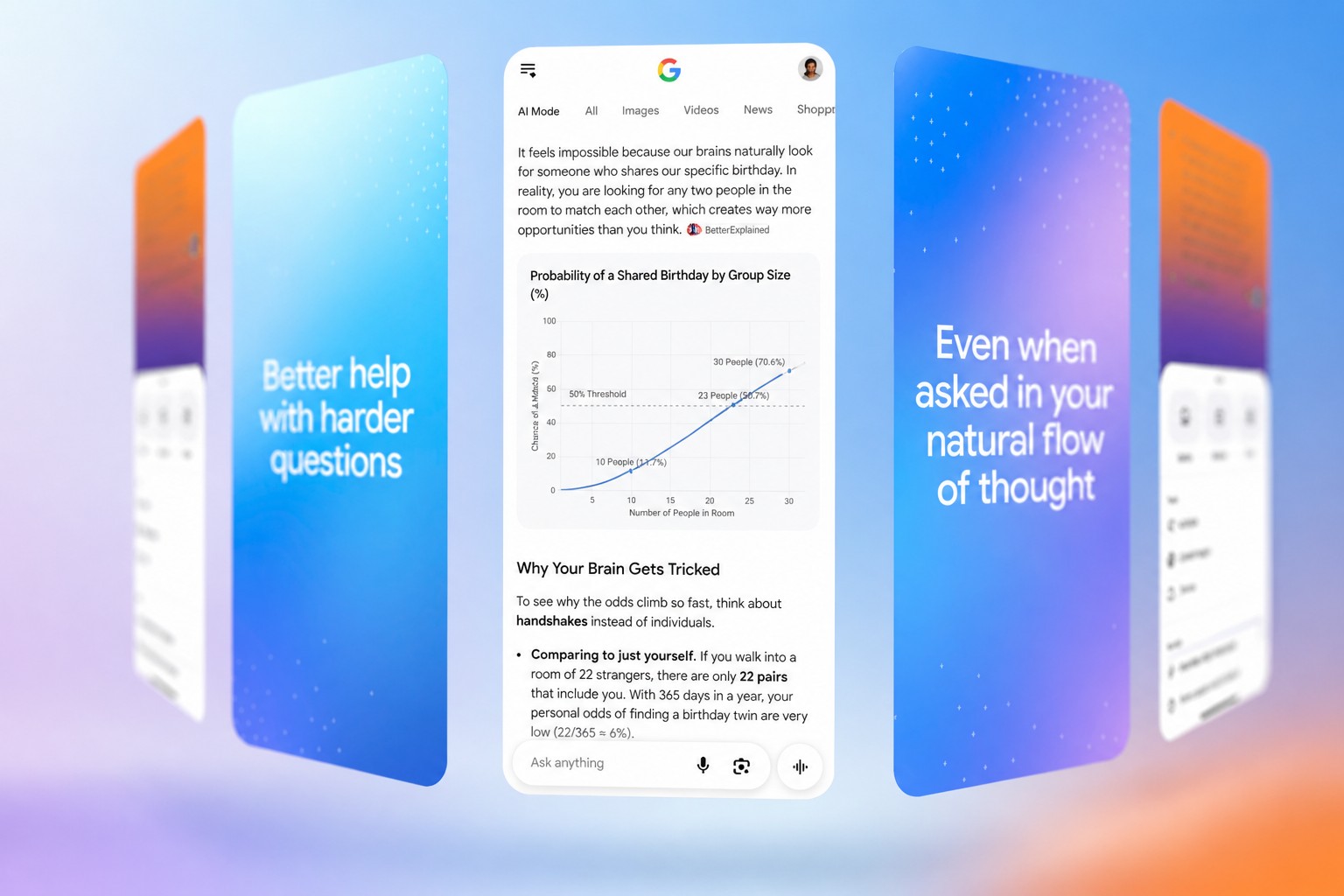
Hydrogen is better at identifying user intent and handling more nuanced, complex queries. Users can ask questions in the order they naturally think of them, including questions with multiple parts or very specific requirements. The model is also better at making sense of hard-to-understand typos.
Google says improved instruction-following and more accurate tool selection help Hydrogen answer every part of a query. Its advanced reasoning also improves the fan-out mechanism, which breaks a user’s prompt into multiple search queries. This can help people find sites they might otherwise miss.
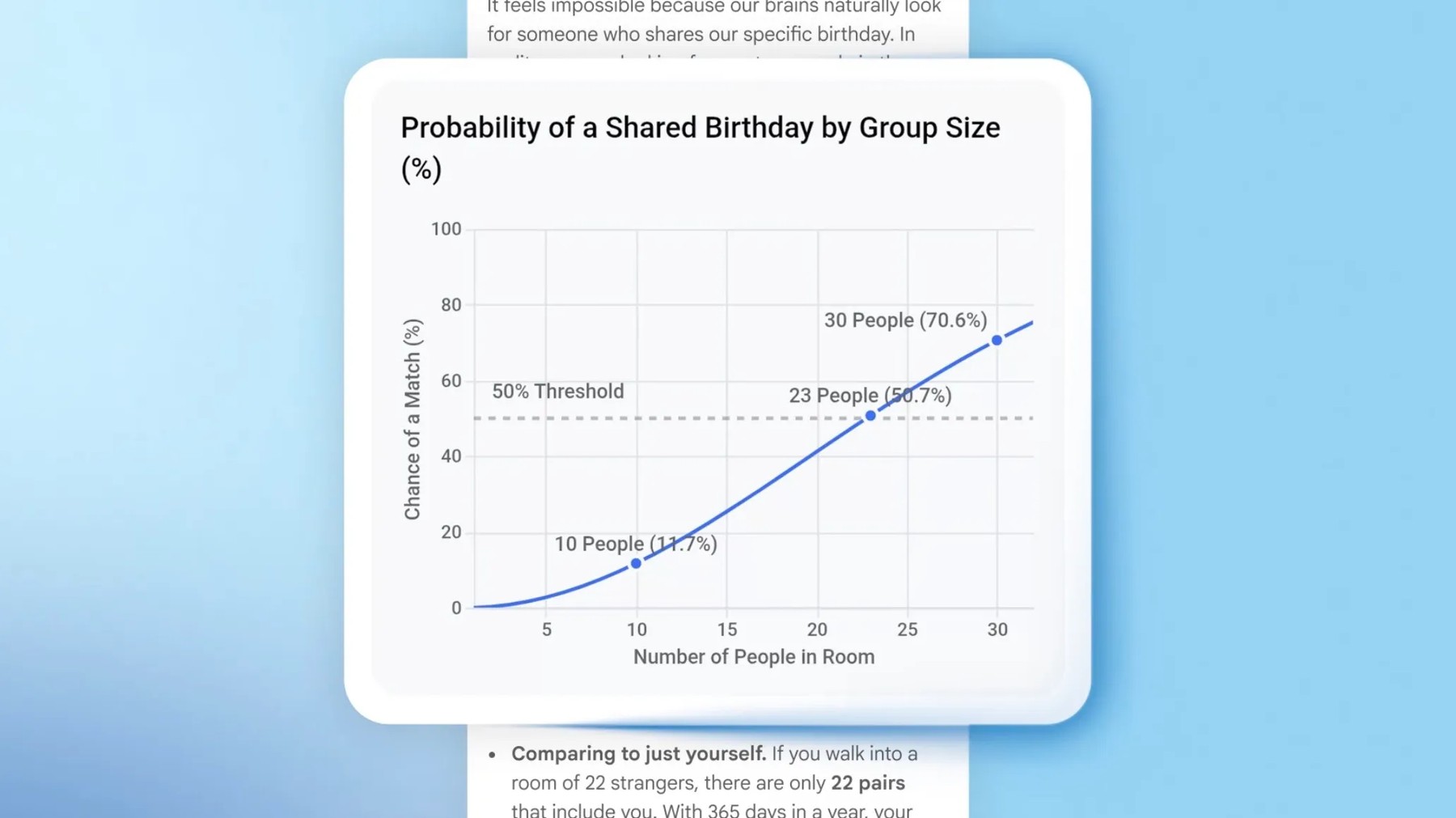
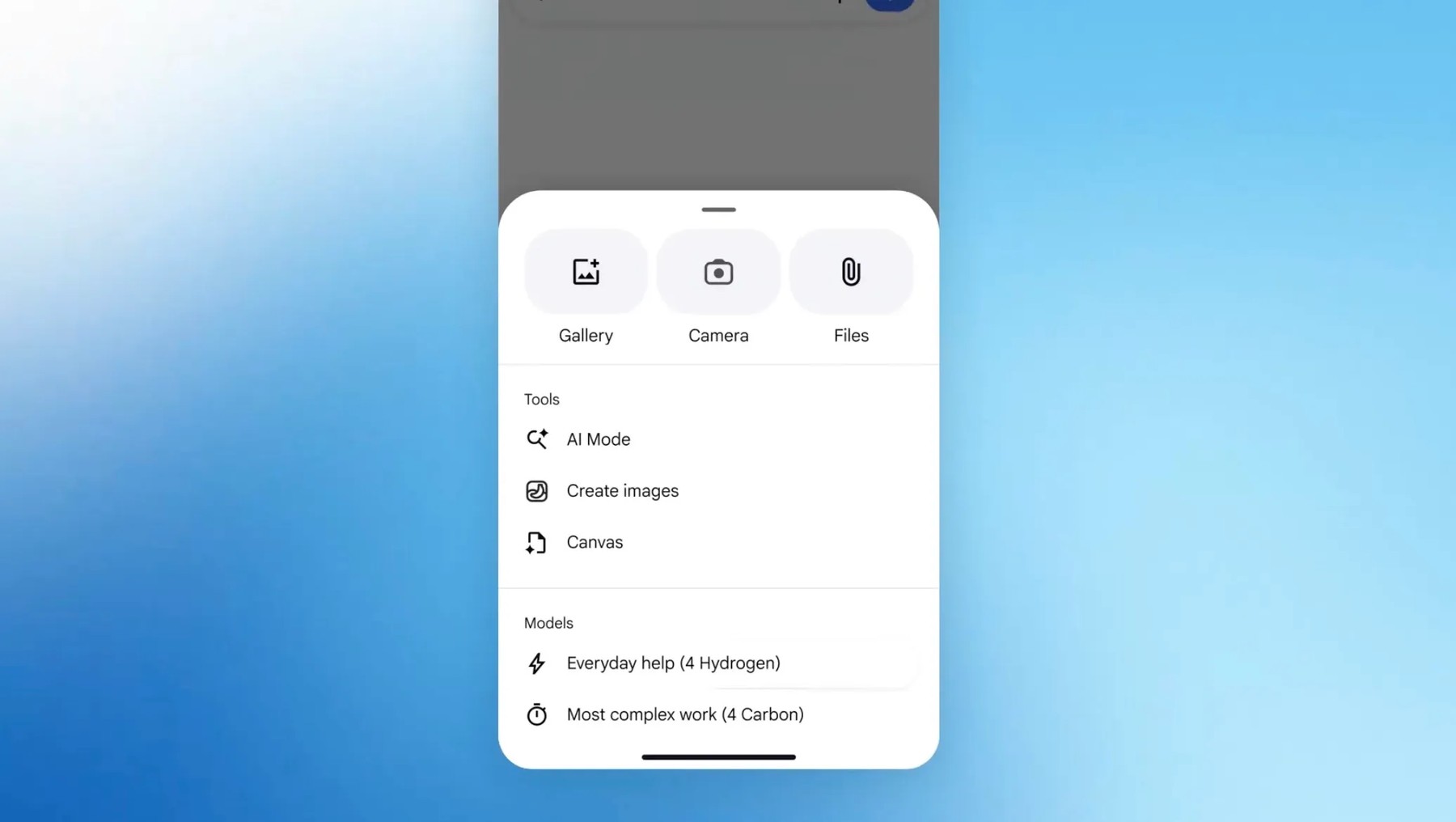
In AI Mode, Google says it will show images, structured answers, comparison tables and specially selected tools more often. Hydrogen is also expected to provide more accurate answers in all languages supported by AI Mode.
Uses beyond Search
Hydrogen can handle everyday tasks on its own, such as writing code, running tests and checking code changes. It can also work alongside Carbon and Argon in workflows where multiple models handle different stages.
In multi-step tasks such as deep research, data analysis and navigating large codebases, Hydrogen ranked fifth in the Agent Arena benchmarks.
Alongside Google Search, the model will be available across all Google AI Studio plans, through the Gemini API and in the Gemini app. It will also be available to paid AI Pro and Ultra subscribers in Google’s Antigravity development platform. Google says the Search update is already rolling out to users worldwide.
Dataist’s take: Google is using Hydrogen to speed up complex searches and turn answers into visual materials more often. But the published figures reflect company claims and results from specific benchmarks; they do not show how well the model handles all queries in real-world use.
Daily AI news
Every day we pick what actually matters in AI and explain it plainly — no hype, no filler. Subscribe if you want to follow where the industry is going.
Only what matters — every day
Follow on X