
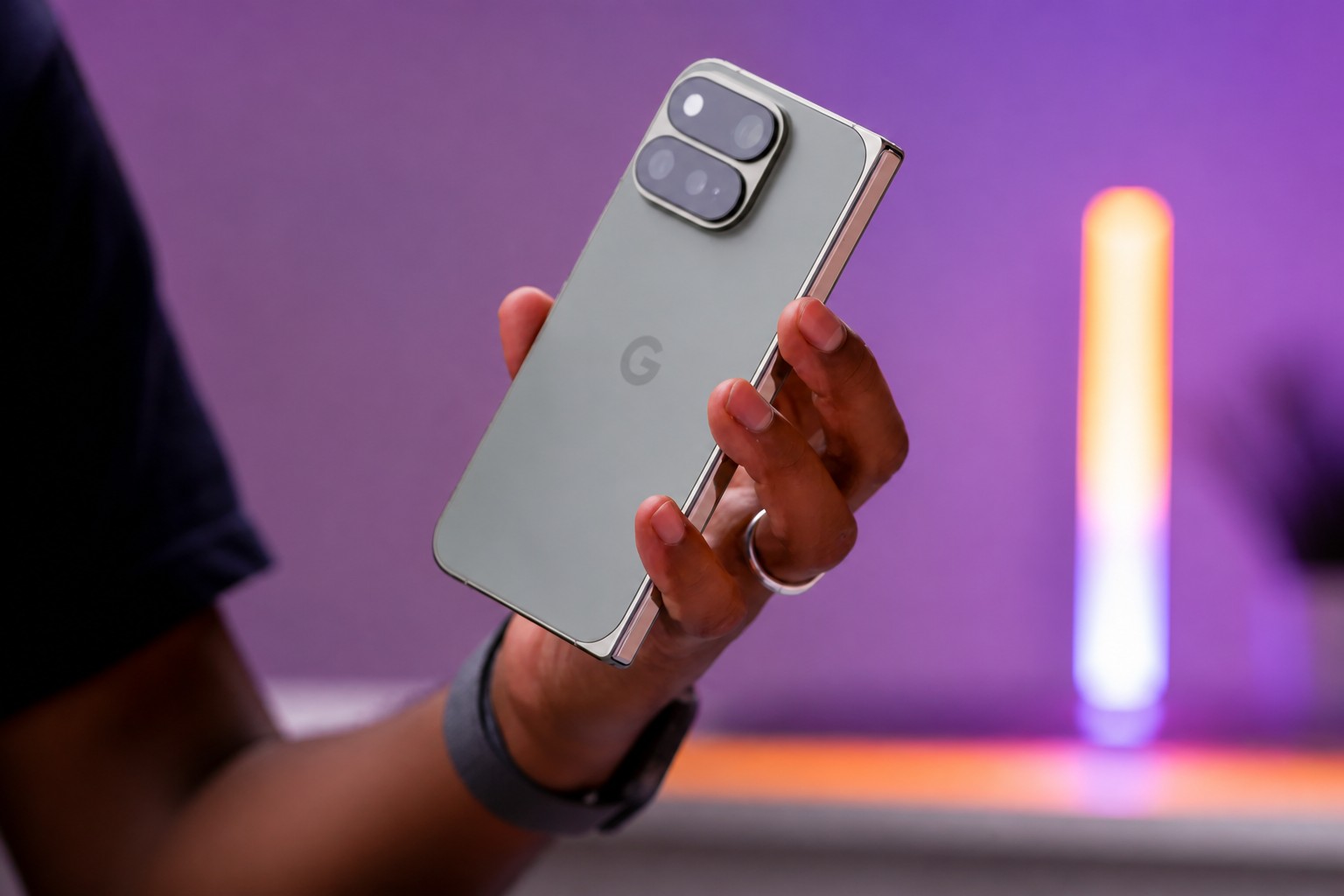
What Call for Me actually does
The feature is designed for routine calls to businesses. A user can ask Gemini to:
Gemini may ask follow-up questions before dialing. It then introduces itself by its own name and stays on the call until the request is complete. If the business uses an automated phone menu, Gemini can navigate the options and wait for an employee to answer.
The Pixel displays a live transcript, and the user can join the call at any point. The same voice used by Gemini Live handles the conversation, even if the user has selected an accented voice in Gemini's settings.
The feature works best with businesses and will not call some organizations, including emergency services. Users can still provide a specific phone number. If a tattoo artist has little information online, Gemini will try to find the number, or the user can enter it manually, a Google representative told WIRED.
Google's phone-assistant stack
Call for Me is not appearing on an empty product surface. Phone already includes several features that let Google's software participate in calls:
Call filtering is no longer unusual. Similar assistants are already present on Pixel, Samsung and iPhone devices. Call for Me pushes the idea in a more difficult direction: instead of screening a call or waiting on hold, Gemini has to pursue an outcome in a live conversation.
The hard part is the conversation
Phone calls do not behave like forms. A person may assume the incoming voice is a spammer and hang up. An accent may be misunderstood. The conversation may get trapped in repeated requests to say something again.
Google says it plans to test precisely those cases. The company is asking users to try the feature in different situations so it can improve performance with different accents and in noisy environments. If a business cannot fulfill the request, Google says Gemini will end the call “politely.”
My read is that the beta is less a finished convenience feature than a public test of whether an assistant can recover gracefully. Finding a number and selecting a menu option are predictable tasks; knowing when a conversation has failed is the real product challenge.
What I'd want to know is how often users will need to intervene. A live transcript makes supervision possible, but the value of outsourcing a call falls quickly if the owner must monitor every exchange. The announcement also leaves open how businesses will respond when the caller is an AI assistant rather than a person.
When assistants call assistants
Call for Me points toward a future in which software handles more of the routine communication between people and businesses. Businesses are experimenting with the same pattern: California pizza chain Pizza My Heart lets customers message its chatbot, Jimmy the Surfer, to order pizza.
That makes a phone call between two assistants plausible. Gemini could call a restaurant while the restaurant's bot answers, with both systems negotiating whether the customer wants pizza with a stuffed crust.
The awkward possibility is also the important one: once both ends of the call are automated, success depends less on speech generation than on whether the two systems can recognize each other, exchange the needed details and stop without creating another layer of automated friction.
Daily AI news
Every day we pick what actually matters in AI and explain it plainly — no hype, no filler. Subscribe if you want to follow where the industry is going.
Only what matters — every day
Follow on X