
One chip at a time
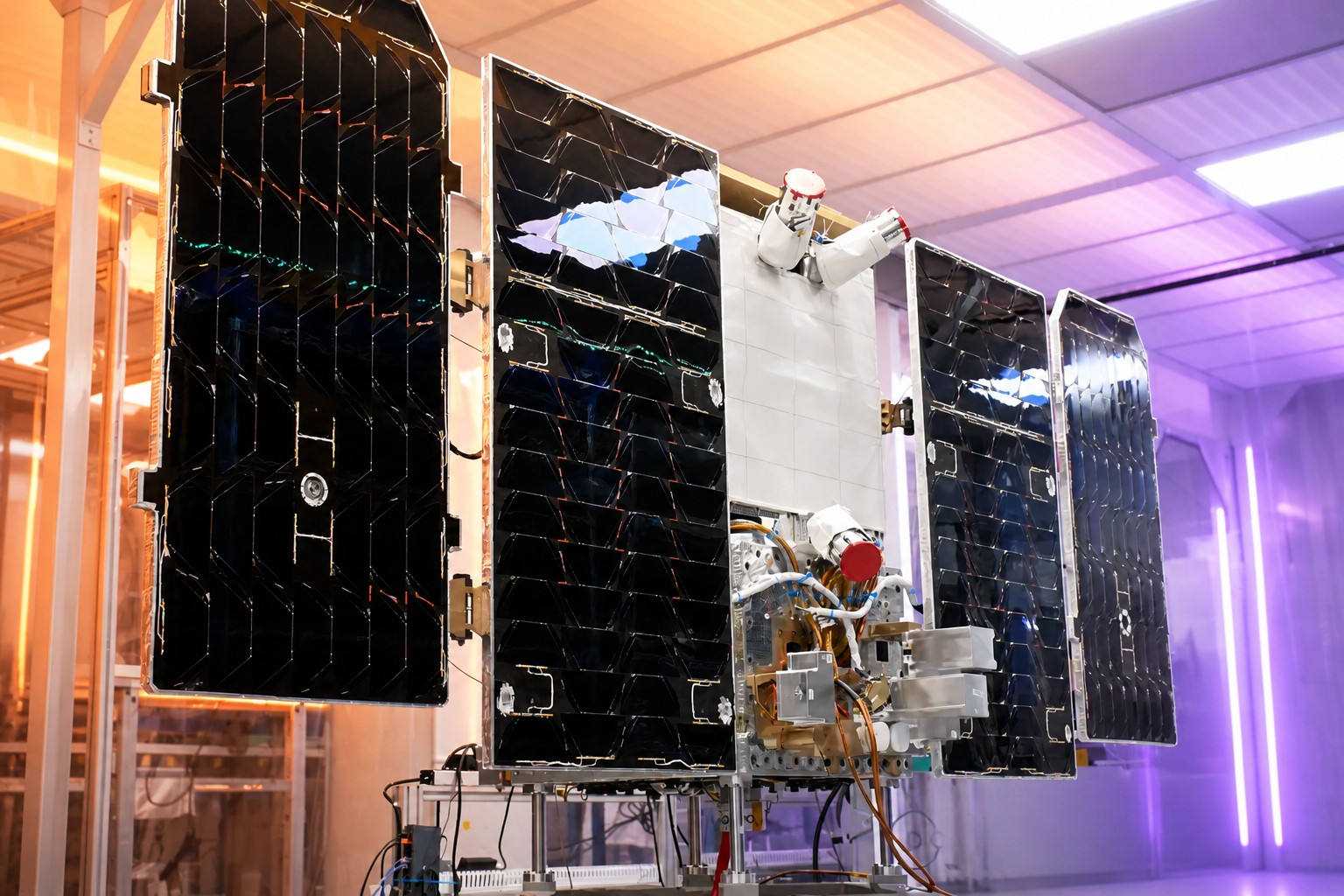
The satellite carries four TPUs, but can run only one at a time. Each chip can stay on for about 20 minutes before its power demands become a problem, complicating communication between the spacecraft and ground stations.
Google’s next tests will examine how the processors handle thermal loads and radiation. The company has exposed TPUs to particles in Earth-based accelerators, but orbital tests will show what radiation actually does to chips in space.
Radiation can cause bit flips, changing values stored in computer memory and potentially corrupting data without triggering ordinary monitoring systems. Ground tests suggested radiation would have little effect on inference but a greater impact on model training. The satellite gives Google a chance to test those assumptions in real conditions rather than simulation.
If the onboard TPUs prove reliable, Google plans to launch two more satellites in 2027. They will carry more capable chips, generate more power and test optical links between satellites.
A network, not a lone computer
Suncatcher’s distinguishing bet is that nearby satellites can use high-speed links to divide demanding computing tasks among themselves. Other plans put more emphasis on running inference on individual spacecraft.
Google and SpaceX also share a dependency: Alphabet, Google’s parent company, owns a significant stake in SpaceX. Both companies will need Starship, the heavy-lift rocket in the center of Elon Musk’s space plans, which is intended to be fully and rapidly reusable.
A peer-reviewed study published earlier this month by the Suncatcher team estimated that SpaceX would need 1,800 Starship launches to achieve the same reduction in costs from accumulated experience that it gained with earlier rockets.
The expensive question
Suncatcher is a long-term effort to build infrastructure that could become economically viable in the 2030s. The satellite’s first poem establishes that an AI model can run in orbit; it says little about whether doing so can make economic sense.
I think the most consequential unknown is not whether a TPU can survive radiation, but whether the whole system can deliver useful computing at a competitive cost. Google’s plans depend on more capable chips, more power and links between satellites, while the launch economics remain a major part of the calculation.
That question lands as Alphabet faces pressure closer to home. Its shares fell sharply this week after the company reported that AI integration in search is restraining advertising revenue growth. Suncatcher is a bet on infrastructure for a future market; Google still has to show that its present AI investments can sustain the business paying for it.
Daily AI news
Every day we pick what actually matters in AI and explain it plainly — no hype, no filler. Subscribe if you want to follow where the industry is going.
Only what matters — every day
Follow on X