
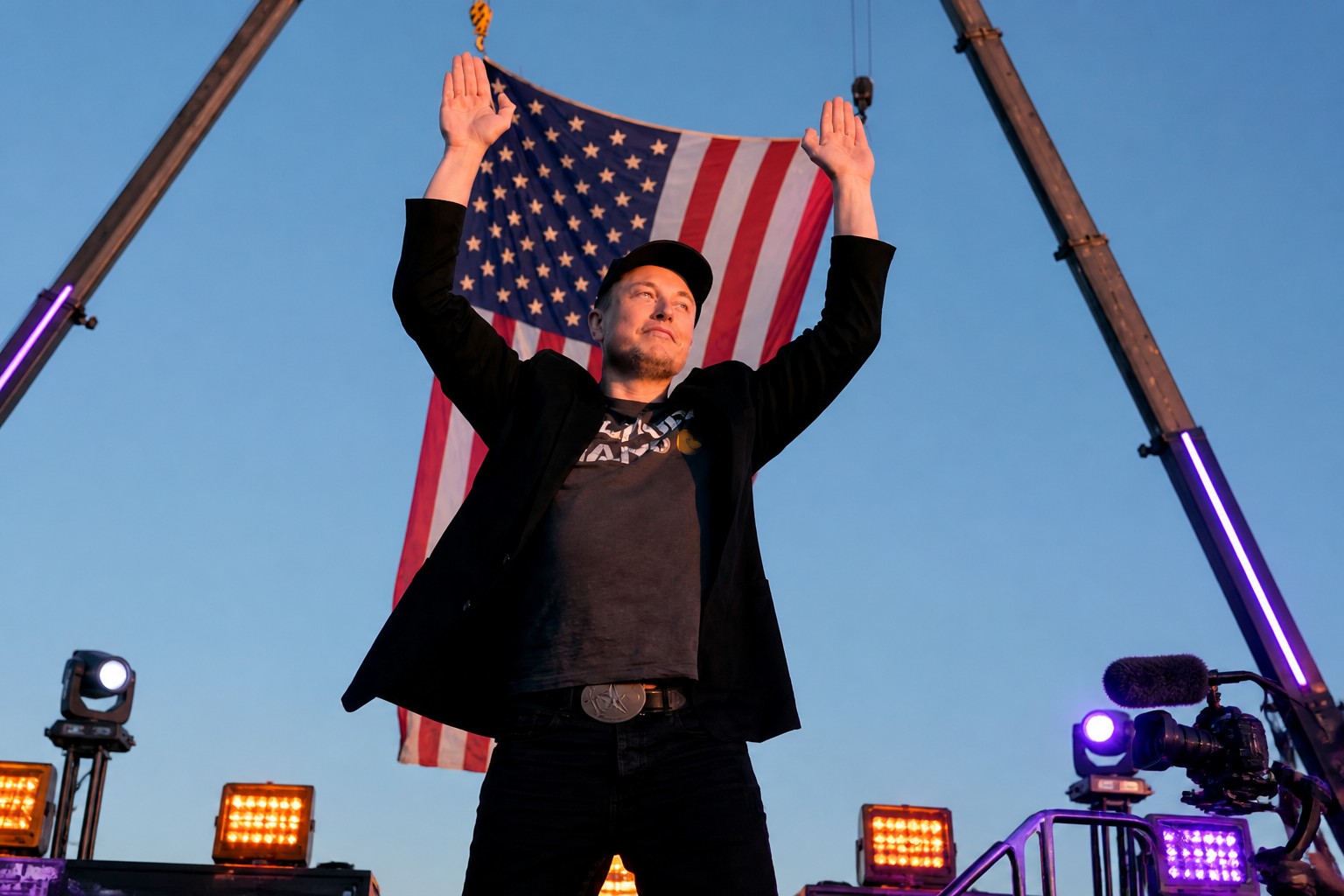
Hollywood’s uneasy partnership with tech
Amazon owns MGM, the historic studio. Apple TV has helped directors make personal projects, and even A24 is building financial ties to AI. Hollywood has plenty of reasons to pursue the technology industry’s money and influence. But that closeness sharpens a familiar conflict between art and commerce: technology can make compelling subject matter even as its companies become powerful partners.
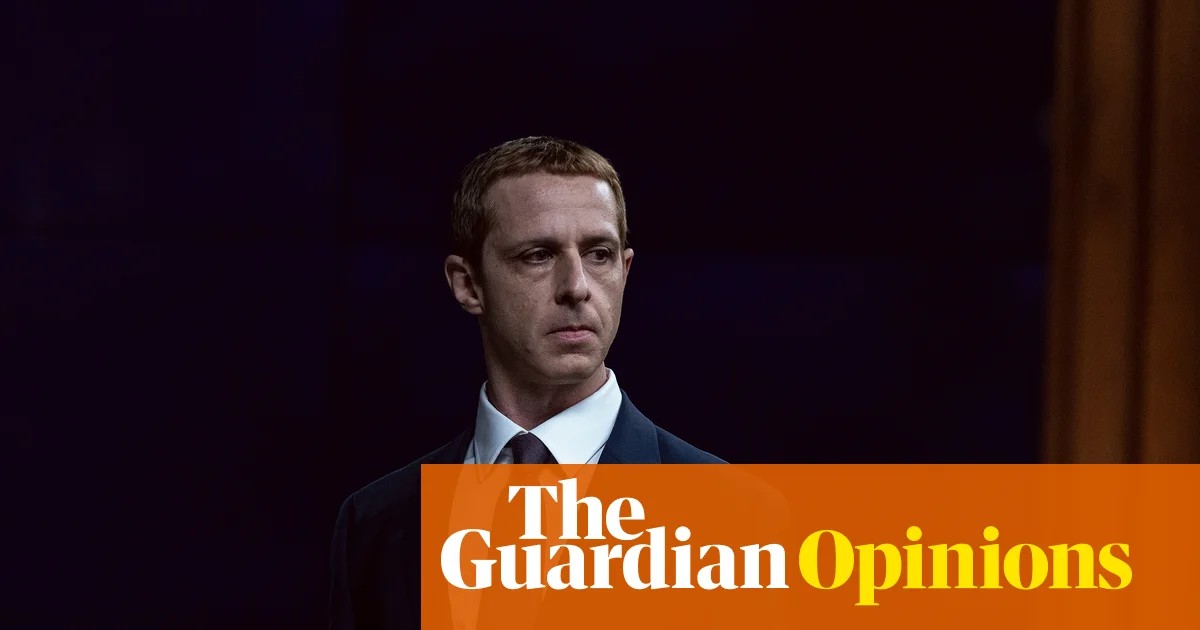
Source: theguardian.com
The three films take different routes into that conflict:
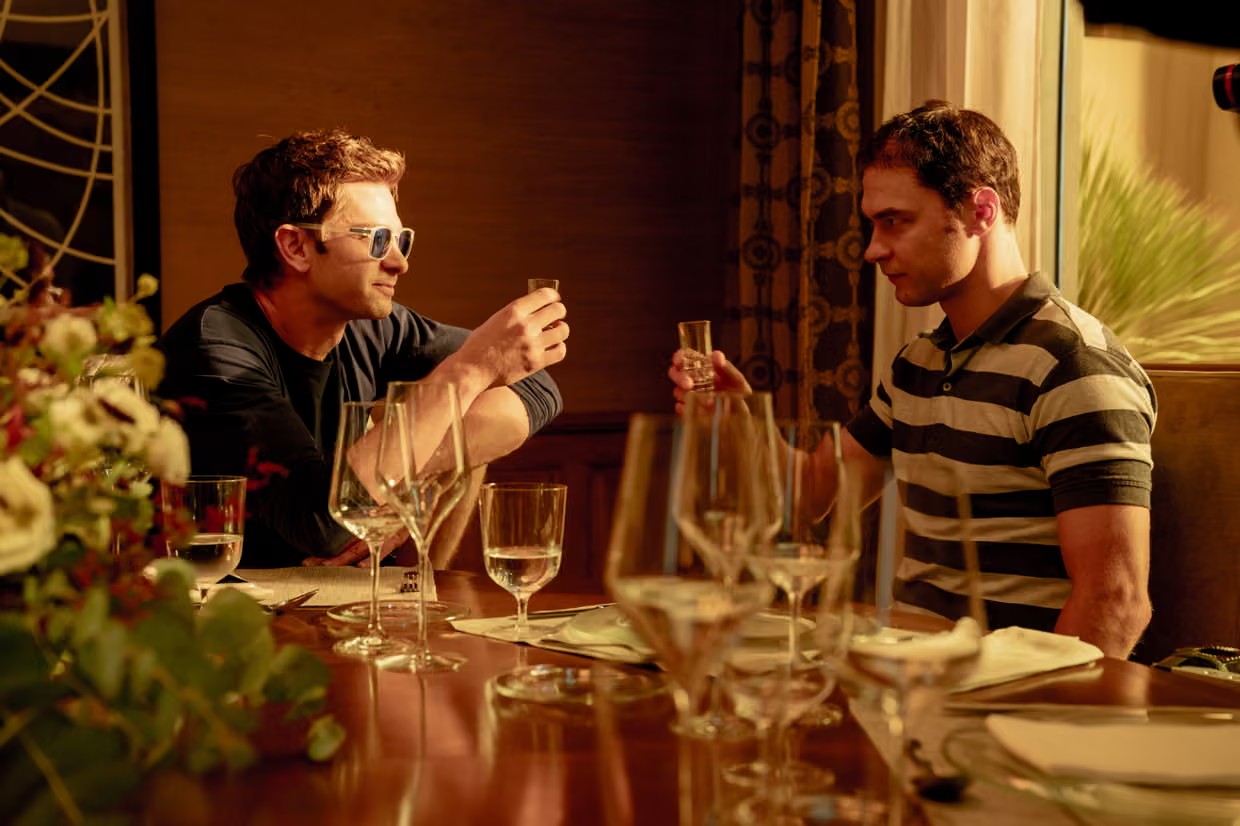
Fired and rehired … Andrew Garfield as Sam Altman and Yura Borisov as Ilya Sutskever in Artificial. Photograph: Courtesy of Neon
Source: theguardian.com
The limits of a public takedown
The films have attracted attention beyond their directors’ reputations. Zuckerberg, Musk and Altman are among the industry’s best-known figures, and all three recently moved closer to President Trump to protect their companies’ interests. Together, the films suggest a common front against tech’s self-confident, unpredictable leaders. But a film can make that impression without materially changing what the companies can do.
The complications around Artificial may add to its credibility: Amazon declined to distribute it after announcing a $50 billion, or £38 billion, “strategic partnership” with OpenAI. Sony hired an independent law firm to check every fact in The Social Reckoning, while TikTok and X blocked ads for Musk. These setbacks have become useful parts of the films’ promotion. They make Silicon Valley look as if it has something to hide, but may do more for Oscar campaigns than for accountability.
Recent polls suggest young Americans are already turning away from figures such as Zuckerberg, Musk and Altman. My read is that these films are riding a wave of skepticism, not creating it. Their commercial prospects also sit awkwardly alongside a broader shift: corporations and their products are increasingly devaluing cinema as an art form.
Who gets to reuse the films
A feature film is easy to break into short clips for Instagram, TikTok and YouTube. Those platforms can benefit from the endless scrolling that follows. A viewer may never see an ad for Musk on X or TikTok, yet after its release someone could cut Gibney’s documentary into clips to drive engagement. Sorkin’s scenes could circulate alongside thousands of excerpts from The West Wing and The Newsroom.
The larger tension is who benefits when Hollywood’s work becomes material for AI systems. Meta, OpenAI and Musk’s xAI have already collected scripts and books without permission to train their models. In 2025, Disney and Universal sued Midjourney, accusing it of stealing copyrighted works. Midjourney denies responsibility and argues its platform’s outputs qualify as transformative works under fair use.
Disney, meanwhile, invested $1 billion in OpenAI. That makes it difficult to cast the dispute as a simple defense of creative independence: the studios challenging AI companies may also want a share of the business.
I think the films’ release says more about studio opportunism than a settled political position. Hollywood is trying to sell stories about tech power while cultivating the companies that wield it. That bargain could make films like these harder to produce. But William Randolph Hearst’s attempt to sabotage Citizen Kane after recognizing its basis in his life is a reminder that powerful people still react sharply to stories they cannot control. Musk, judging by his posts, could too.
Daily AI news
Every day we pick what actually matters in AI and explain it plainly — no hype, no filler. Subscribe if you want to follow where the industry is going.
Only what matters — every day
Follow on X