
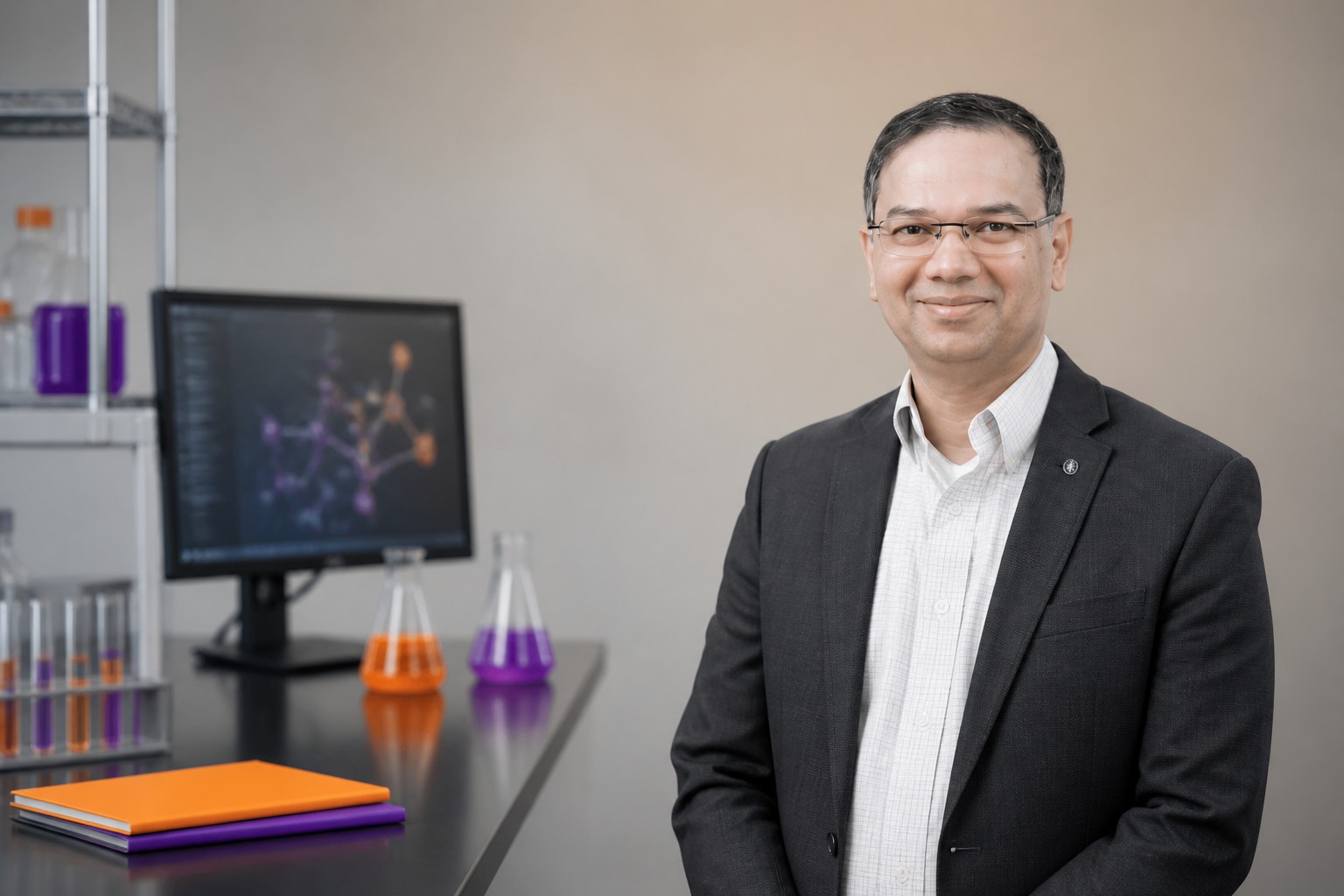
Scientists and IT teams working together
Different specialists have different priorities: scientists value reliable experiments, data specialists focus on model quality, and IT teams prioritize platform security and scalability. To align their approaches, Lubrizol brings them together in cross-functional teams and starts with small pilot projects.
Girish Rao notes that trust among participants helps teams better understand the value of working together. Cloud infrastructure also gives them access to computing resources and modern tools without large investments in building and maintaining their own data centers.
Materials modeling and sustainability
Digital modeling makes it possible to investigate more formulations, explore materials such as starch and corn-based alternatives, and assess trade-offs at different stages of a product’s life cycle. But a promising laboratory result is only the beginning: when scaling production, teams must account for product performance, regulatory requirements and financial constraints at the same time. Modeling multiple variables can help teams assess these conditions together.
Looking ahead, Rao expects AI, automation, advanced modeling, digital twins and connected data to work together: laboratories will become more intelligent, and manufacturing more efficient. In his view, the opportunity lies in responsibly combining these technologies and processes at scale.
Dataist’s take: Digital tools can speed up the search for and testing of new materials, but they do not remove the requirements for producing and using them. For Lubrizol, the key challenge is connecting data and models with the expertise of specialists responsible for scientific rigor and practical constraints.
The webinar was produced with the participation of Infosys. This material was created by Insights, MIT Technology Review’s custom content unit, not by the publication’s editorial staff; it was researched and written by people, and any AI tools that may have been used were limited to production processes under human supervision.
Source: technologyreview.com
Daily AI news
Every day we pick what actually matters in AI and explain it plainly — no hype, no filler. Subscribe if you want to follow where the industry is going.
Only what matters — every day
Follow on X