
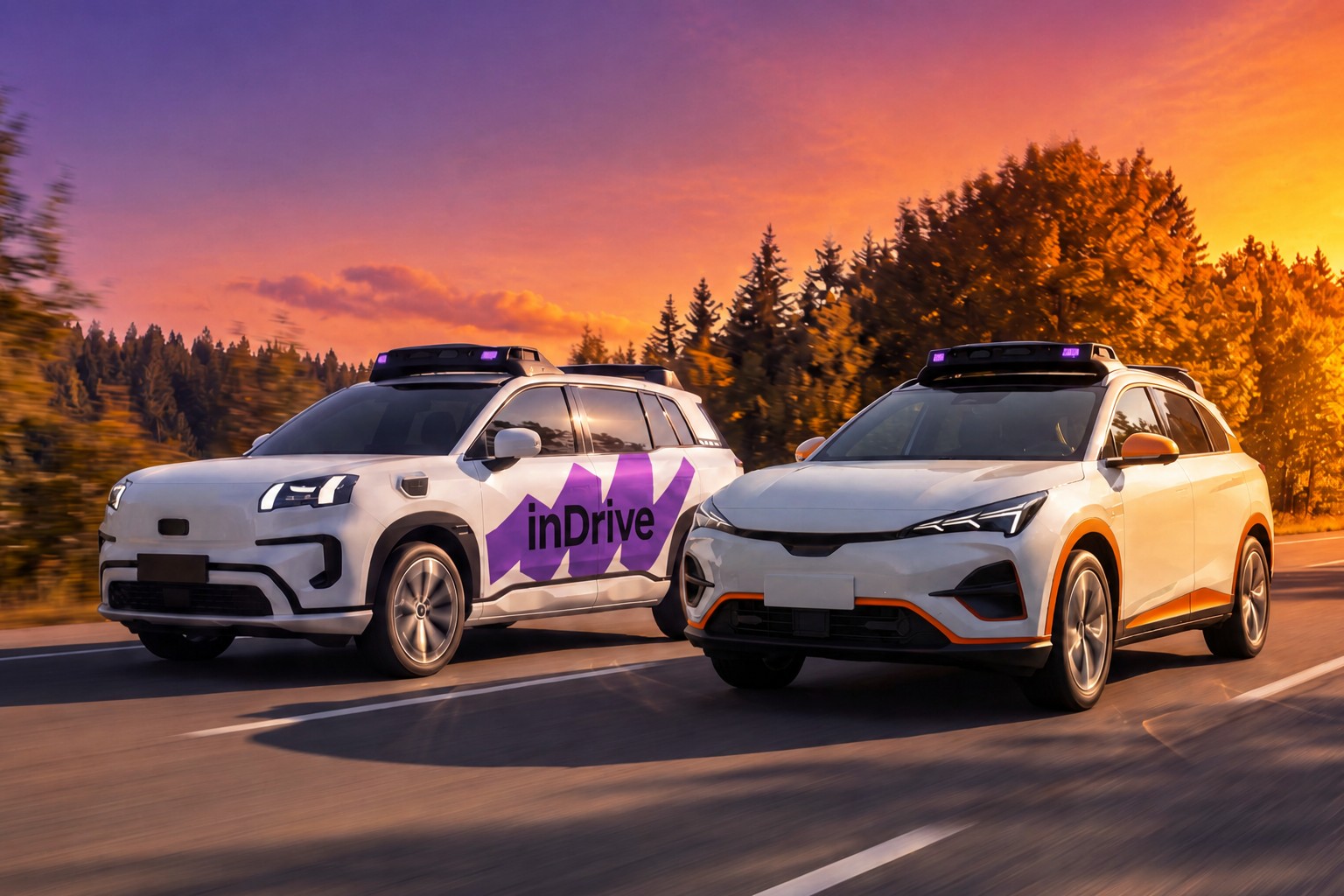
A platform deal, not a fleet purchase
Ride-hailing companies are moving into robotaxis through partnerships. Earlier this month, Uber said it planned to test Pony.ai vehicles in London. Uber has also begun offering rides there in autonomous cars from British startup Wayve, with an operator overseeing the trips.
inDrive says it wants to preserve its focus on affordable rides as it enters autonomous transport, while limiting its own capital spending and working with different partners in different markets. Nvidia argues that Hyperion can lower development costs by giving companies a ready-made base of sensors and computing equipment, rather than requiring them to assemble every component themselves.
That cost argument matters particularly in markets where rides are already relatively inexpensive. Nvidia automotive vice president Ali Kani said affordability is especially important in developing markets, where autonomous services will also need to compete on price.
The memorandum was announced on Friday during Nvidia CEO Jensen Huang’s first visit to Kazakhstan. The timing puts the proposed test in a country that has already said it plans to launch autonomous taxi services in 2027, with initial trials planned for Astana and two other cities. Kazakhstan has introduced rules allowing autonomous vehicles to be tested on certain public roads.
Winter is the test
Pony.ai’s Kazakhstan plans add to its push beyond China. The company aims to have more than 3,500 robotaxis on roads in more than 20 cities worldwide by the end of 2026. Its fleet stood at 1,975 vehicles at the end of June.
Astana could make the trial more demanding than a standard urban deployment. Snow and ice cover the city for months, creating difficult conditions for autonomous-driving systems. inDrive founder and CEO Arsen Tomsky said testing there would let the company evaluate autonomous driving in harsh winter conditions, with results that could help guide launches in other places with similar weather.
I think the winter setting is the most consequential part of this proposal: it makes the project a test of operating conditions, not just a way to add another city to a robotaxi map. But the announcement does not say when trials would begin, how many cars would be involved, or what would count as a successful test.
Kazakhstan is one option among several
inDrive is also exploring robotaxi deployments elsewhere. In December, it signed a separate agreement with Saudi AI Driver to study autonomous vehicles based on technology from Chinese company WeRide, starting with Riyadh. The companies planned pilot tests in the first half of 2026; whether those tests have begun is unknown.
CTO Yuri Misnik told TechCrunch that inDrive is considering additional markets. He said a supportive regulatory environment, open to collaboration and able to enable safe, sustained road testing, is among the main conditions for a successful launch.
The company operates in more than 1,200 cities across 47 countries and also offers delivery, intercity transport and financial services. Its approach is to pair local partners with inDrive’s own operating experience rather than build every autonomous-driving capability itself. That keeps the proposed expansion compatible with a lower-capital model, but makes the company’s progress depend on partners and regulators market by market.
Daily AI news
Every day we pick what actually matters in AI and explain it plainly — no hype, no filler. Subscribe if you want to follow where the industry is going.
Only what matters — every day
Follow on X