
What is known about Alice Huang
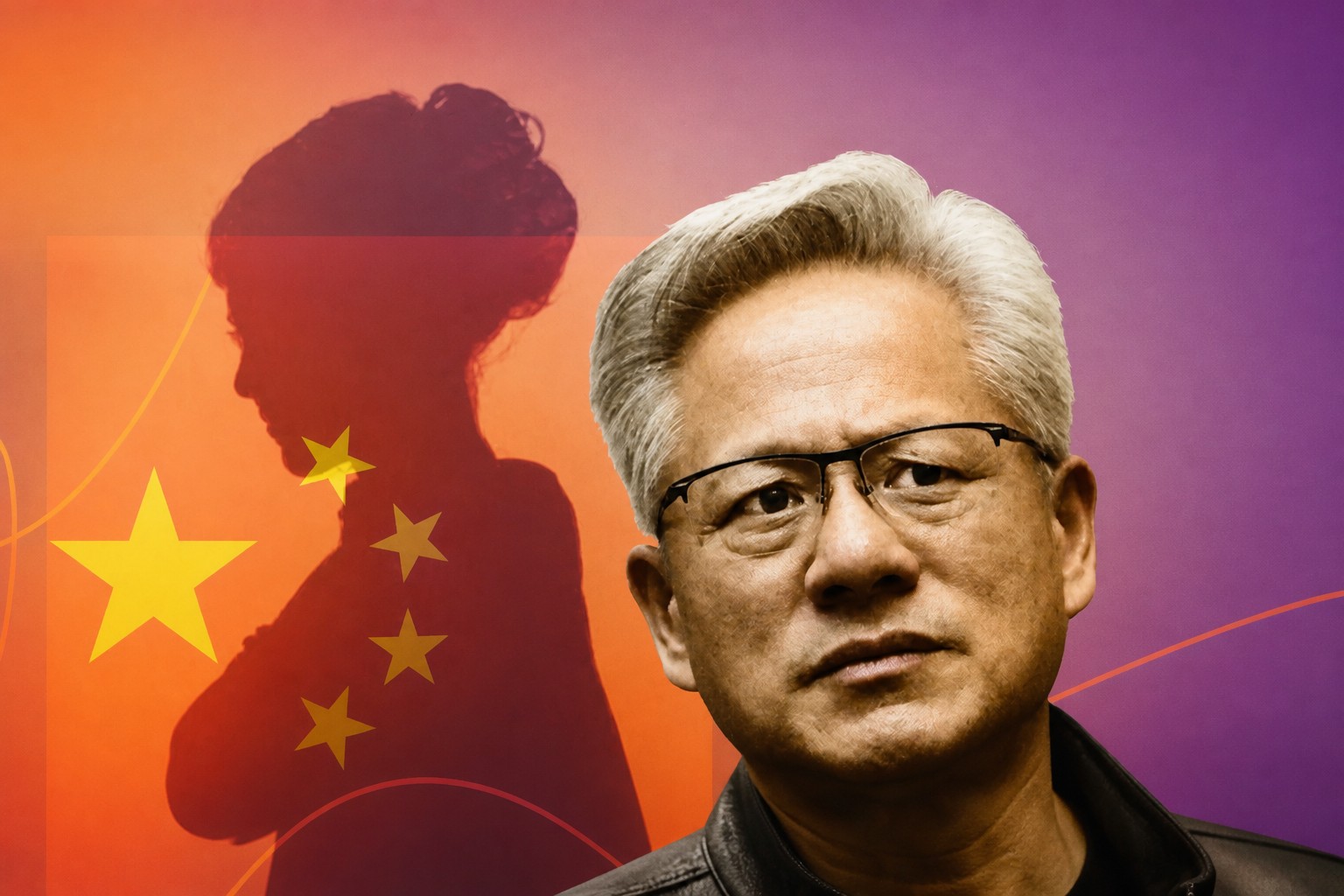
In late October, The New York Times reported that Jensen Huang may have been at the center of a Chinese espionage operation. According to the newspaper, an alleged affair between him and Alice Huang, who is not related to him, began sometime between 2024 and 2025. She previously held a senior position at Megaspeed, a Singapore-based cloud company.
US intelligence agencies warned senior officials that they considered Alice Huang to be linked to Chinese intelligence. The New York Times and the Financial Times reported that, according to US intelligence officials, she reported to China’s Ministry of State Security.
Alice Huang is also known as Huang Le and previously worked as a journalist for Chinese state media. There is no evidence so far that she was an employee or “officer” of Chinese intelligence. According to sources, she may have been an “asset” — an outsider who helps an intelligence service, sometimes for payment and sometimes without it.
Nvidia’s board has opened its own investigation. The company said it currently sees no basis for believing that national security or Nvidia’s secrets were compromised. On Monday, Megaspeed wrote on LinkedIn that US authorities had found no “evidence of violations involving the illegal transfer of chips, or any other illegal activity.”
China rejected the allegations. On Monday, a foreign ministry spokesperson called reports of Chinese spies baseless speculation and slander.
Why the story involves chips
Megaspeed is a major player in the Pacific cloud-services market. The company works with advanced computing chips that underpin Nvidia’s business. The Joe Biden administration sharply restricted exports of the most advanced chips worldwide in an effort to slow China’s AI development. Jensen Huang, in turn, successfully pressed the Trump administration to ease those restrictions.
Megaspeed’s ties to Nvidia could complicate matters even without the reports of an alleged intelligence operation. According to Bloomberg, Megaspeed subsidiaries bought billions of dollars’ worth of Nvidia chips. An audit requested by the US government last year found that the company initially could not account for about 50,000 chips it had purchased. For at least a year, reports have said that the US was concerned Megaspeed chips might be diverted to Chinese intelligence agencies. If the allegation is confirmed, the consequences could affect the global race for AI leadership.
Why the US has long feared operations like this
US authorities have long viewed Chinese economic intelligence as one of the tools of the country’s economic and military development. Methods attributed to intelligence agencies include “honey traps,” in which an operative tries to seduce an important person or start a relationship with them. French officials have warned about Chinese “honey traps” since at least 2011. Intelligence reports from that time described a pharmaceutical researcher who was seduced and then blackmailed in a Chinese intelligence operation.
Over the past 25 years, Silicon Valley has become a center of political and economic influence, as well as a target for Chinese intelligence. In one well-known case, Chinese citizen Fang Fang spent years cultivating ties with politicians in the San Francisco Bay Area, including Eric Swalwell, then a member of the US House of Representatives. Intelligence officials reportedly considered her an agent, but law enforcement never charged her.
US executives traveling to China have become accustomed to leaving their regular phones and computers at home to avoid having spyware or malware installed. A WIRED journalist did the same when traveling to China in 2019 to report on Huawei. In 2012, US Defense Secretary Leon Panetta and his team were advised to shower in the dark before their first trip to China, in case their hotel room was bugged.
Last year, citing the threat of “honey traps,” the US government explicitly barred its employees in China and Hong Kong from having romantic or sexual relationships with Chinese citizens. Later, US officials and their allies warned on LinkedIn that Chinese intelligence activity was becoming more sophisticated: operatives were using the business social network to recruit executives and build relationships without revealing their true intentions.
What Trump knew
On Monday, Donald Trump said he knew nothing about Alice Huang before reports of her possible intelligence activity. He said he had asked Jensen Huang whether he suspected she might be a spy, and Huang had said no. But on Tuesday, The New York Times reported that Secretary of State Marco Rubio had briefed Trump about her in May, shortly before Huang traveled to China with the president aboard Air Force One.
A separate question is exactly when the president and other senior officials learned of the possible threat, and what they did afterward. According to WIRED, Jensen Huang has used the crisis communications firm run by Risa Heller, which specializes in public sexual scandals, since 2025. WIRED reporter Lauren Goode reported this on Monday.
Alice Huang and Jensen Huang have been publicly linked since at least 2024. Her husband, Kan Wei, reportedly has known Nvidia’s CEO since the 2010s. This spring, Marco Rubio reportedly helped prepare a secret memo for administration officials that referred to Jensen Huang’s potentially compromising relationship.
Congress may also have questions, now that Democrats have recently won a majority: when the president and other officials were warned about the threat, whether they told Nvidia anything and, if so, whom they informed, and whether US intelligence could have done more to limit Alice Huang’s access to the company and its CEO.
Huang and Trump’s relationship
Jensen Huang and Donald Trump have built an unusually close professional relationship. They met several times as Nvidia’s CEO pushed to ease the export restrictions imposed under Biden. Trump has repeatedly relaxed those restrictions.
Huang donated $25 million to Trump’s ballroom project. Earlier this year, the president flew to Beijing with a delegation of tech executives that included Elon Musk and Tim Cook. The plane made a special stop in Alaska to pick up Huang. Nvidia’s CEO also attended a White House state dinner for Chinese President Xi Jinping, and earlier this fall Trump awarded him the National Medal of Science.
The blow to Nvidia
Jensen Huang has long been one of the most prominent advocates for AI development and advanced labs. Now he and the company face questions about whether he was misled, acted recklessly toward his own reputation and his duties to shareholders and Nvidia, or knowingly helped actions that threatened US national security.
Whatever the truth, Nvidia is already taking a hit. Its shares rose by about 600% over the past five years, making it the world’s second-most valuable company. But they have fallen by a quarter over the past month. Nvidia shareholders may file lawsuits, and, according to the author of the original article, this is only the beginning of the company’s problems.
If it emerges that Trump knew about the threat and did nothing for a year, it could become one of the biggest counterintelligence failures of the past decade. Such cases have brought criminal consequences: a former adviser was arrested last year in connection with a similar story. He was acquitted of economic espionage but found guilty of giving investigators false statements.
US companies have also become less tolerant of executives’ misconduct. In recent years, leaders at Nestlé, Kohl’s, BP, NBCUniversal and railroad company Norfolk Southern have left or been forced out after relationships that violated corporate rules.
Dataist’s take: Two risks converge here — a possible leak of technology and the question of how political ties influenced the authorities’ actions. The allegations remain under investigation and are still the subject of public statements, but the scale of Megaspeed’s purchases and the uncertainty over the administration’s warnings make the consequences for Nvidia broader than one executive’s reputational crisis.
Daily AI news
Every day we pick what actually matters in AI and explain it plainly — no hype, no filler. Subscribe if you want to follow where the industry is going.
Only what matters — every day
Follow on X