A launch party at Maxwell’s townhouse
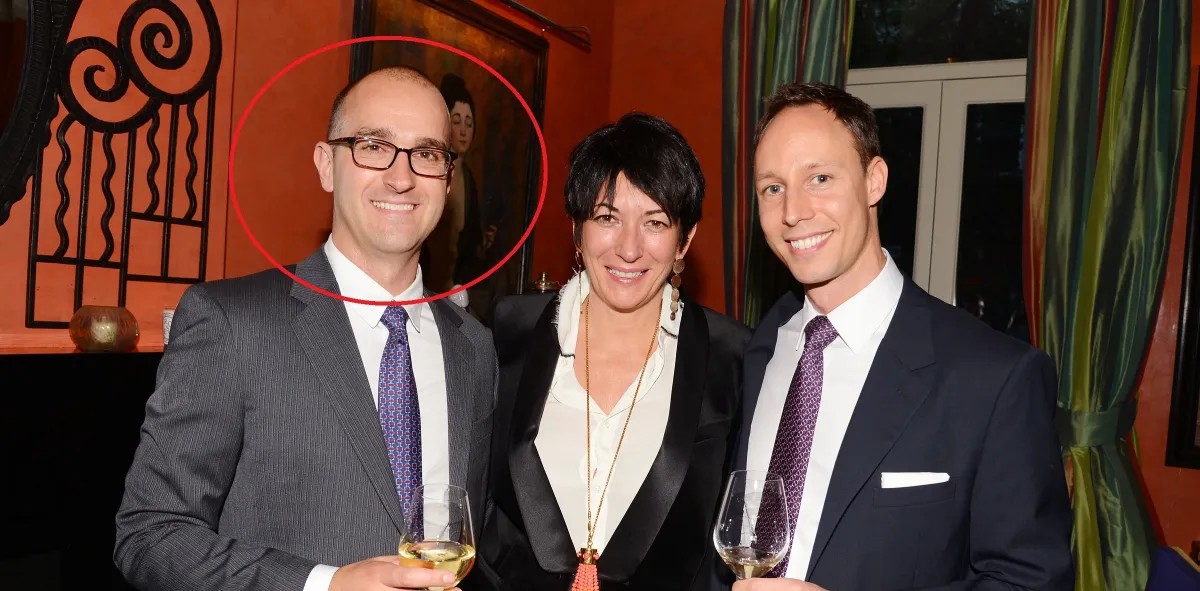
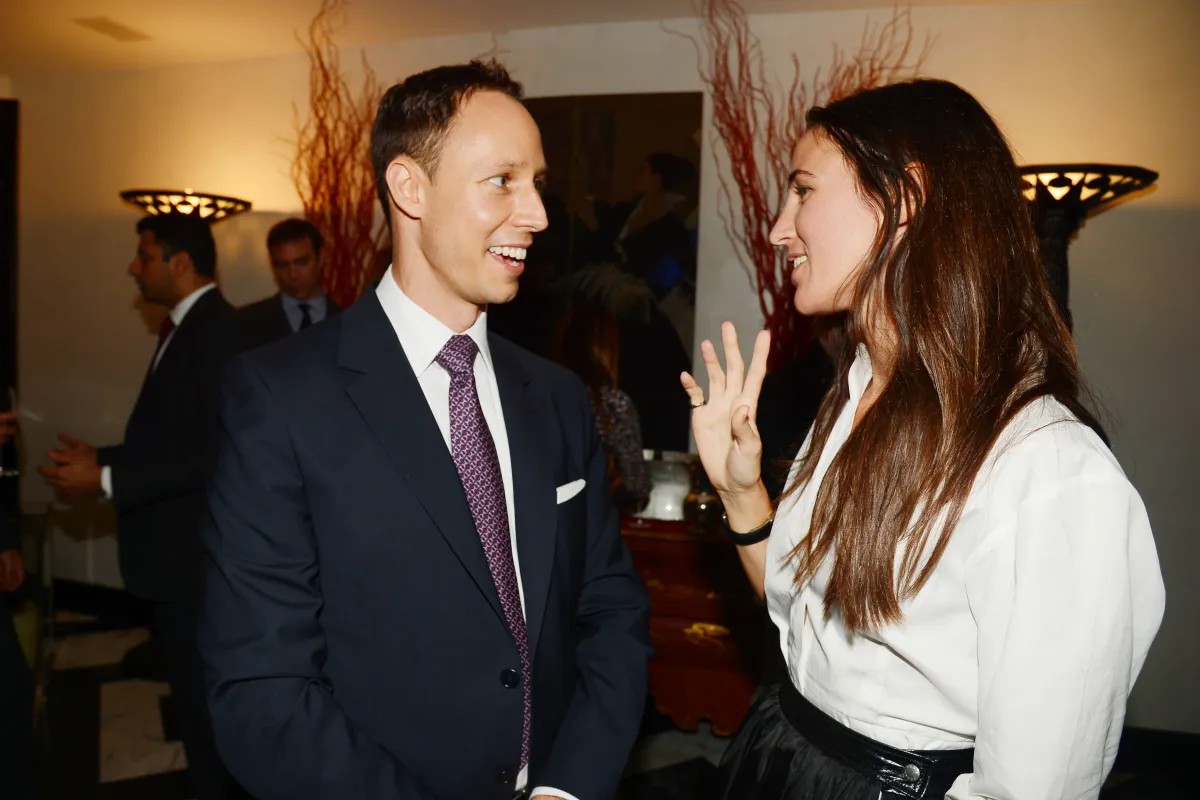
In September 2013, Brown was the guest of honor at a cocktail reception Maxwell hosted at her Manhattan townhouse. Getty Images photographs show him talking and posing with her. The event celebrated Ideapod, which promised to help people share ideas with influential organizations and leaders. Brown and co-founder Mark Bacas pitched it as a more meaningful alternative to Facebook and Twitter.
Epstein had bought the townhouse for Maxwell in 2000. By the time of the reception, he had already been convicted of soliciting prostitution from girls, some as young as 14, and was a registered sex offender. News coverage of his plea deal and his relationship with Maxwell, which dated to the early 1990s, was available.
Source: futurism.com
Guests included people connected to Maxwell’s environmental nonprofit, the TerraMar Project. Among them was Amir Dossal, a former UN official who advised Ideapod and served on TerraMar’s board. Another guest was Catherine Keating, who worked with Ideapod and later said she had been introduced to Maxwell by Brown.
Keating said the interview was sponsored by Ideapod and that her contact with Maxwell was limited to the reception and an interview about TerraMar’s stated ocean-protection work. She said she knew nothing then of Maxwell’s connection to Epstein. Dossal did not respond to a request for comment.
In the months after the party, Brown repeatedly mentioned Maxwell and TerraMar on social media. He shared Maxwell’s TED talk, posted about making an “I love the ocean” pledge through TerraMar and linked to an Ideapod page titled “Learn Much More About Ghislaine Maxwell.” That page is gone, and no archived copy appears to exist.
Source: futurism.com
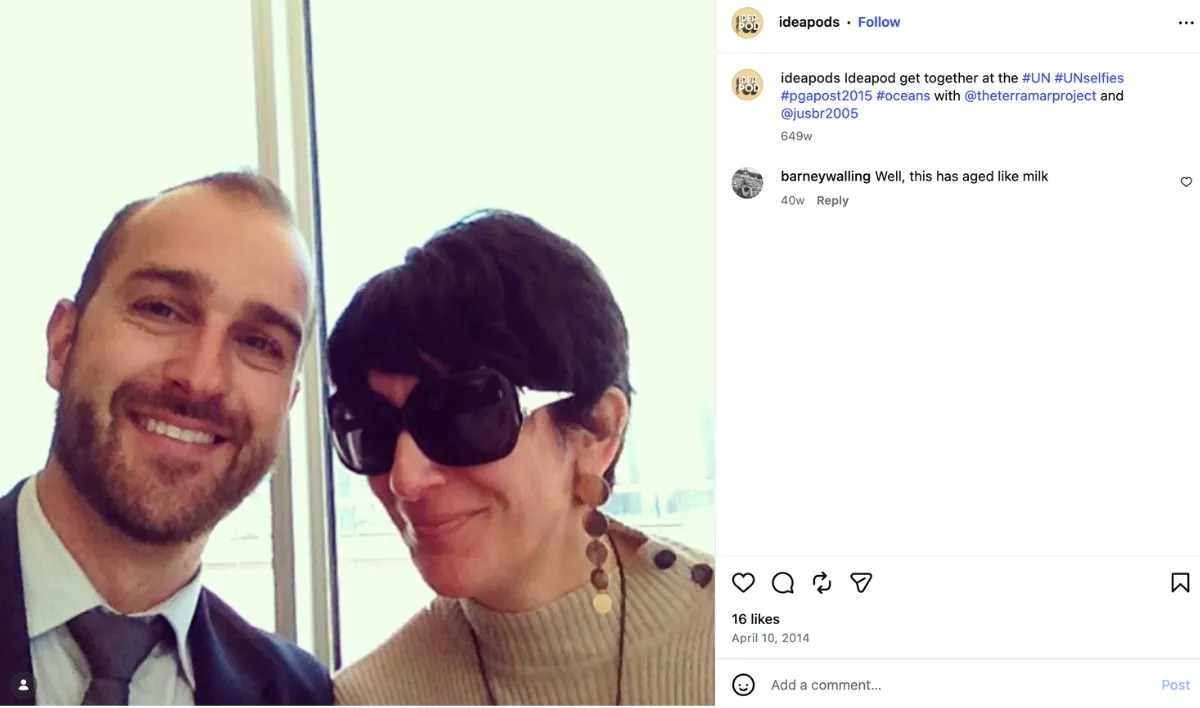
In 2014, Ideapod posted photos of Brown with Maxwell at more events, including a selfie captioned “Ideapod meeting at the UN.” The company also published an interview in which Maxwell discussed ocean conservation. The video was marked as supported by Ideapod, and its closing slide directed viewers to continue the conversation on the startup’s site.
Brown says neither he nor Ideapod had business, financial or personal dealings with Epstein, and that the startup received no funding or investment from him. On Maxwell, he says Ideapod received no money or investment from her. He declined to reconstruct his social and business life from 13 years earlier, and did not answer when asked when he last spoke with Maxwell.
Source: futurism.com
The startup needed a business model
Ideapod changed direction several times, moving from an idea-sharing social network to a search engine, an online academy and courses. In 2014, it raised $53,613 through an Indiegogo campaign for what it described as “Medium meets Twitter and TED.” According to a former employee, Brown told the team to use Maxwell’s party to discuss the fundraiser and look for a partner who believed in the project. Brown also said Maxwell had offered to keep hosting Ideapod events at her home.
The startup sought money and support elsewhere, too. Brown later wrote that he and Bacas visited Richard Branson’s Necker Island, where they met four prospective investors. Branson wrote about Ideapod on his blog, though his representative said he did not invest or provide funding. Brown described the trip as a success.
By 2018, Brown said Ideapod had been close to failure before changing course, reaching positive cash flow and building a content-distribution network. The startup eventually became a digital publisher and a precursor to Brown Brothers Media, the business Brown runs with his brothers. The company now buys established websites and fills them with AI-generated content.
PitchBook puts Ideapod’s fundraising at about $3 million. That figure sits alongside a record of social proximity to Maxwell and people in her orbit, but proximity is not evidence of where the money came from. Brown denies any financial connection to Epstein or Maxwell.
I think the more consequential question is not whether a photograph proves a financial relationship; it does not. It is what the repeated access says about the judgment behind a company built on claims to elevate ideas and respect its audience. Brown’s early public praise of Maxwell and promotion of TerraMar sit uneasily beside his later insistence that the startup had no financial ties to her.
ONE ON ONE: Ghislaine Maxwell on Protecting the Blue Heart of the Planet (Jeffrey Epstein's madame)
Source: futurism.com
From ideas to invented authors
The business Ideapod became is part of the same story. Brown Brothers Media operates sites that publish high volumes of AI-generated articles, including pieces attributed to fictional people. In May, after questions were sent to people connected to the company, Ideapod was among several of its sites that began removing fabricated authors and their articles without alerting readers.
The company’s current account of its business emphasizes buying publications with established expertise and authority. Yet Ideapod’s own site now carries psychology and finance articles that resemble mass-produced content. Its old promise—to create a place where ideas could be shared and critically examined—has given way to a much larger audience built on material that often masks who, or what, produced it.
Brown’s history with Maxwell does not establish that Ideapod received money from her, and he says it did not. It does leave a sharper question about the standards applied when access and opportunity appeared: the same company that now trades on editorial credibility once promoted a figure whose ties to Epstein were already in public view.
Daily AI news
Every day we pick what actually matters in AI and explain it plainly — no hype, no filler. Subscribe if you want to follow where the industry is going.
Only what matters — every day
Follow on X