
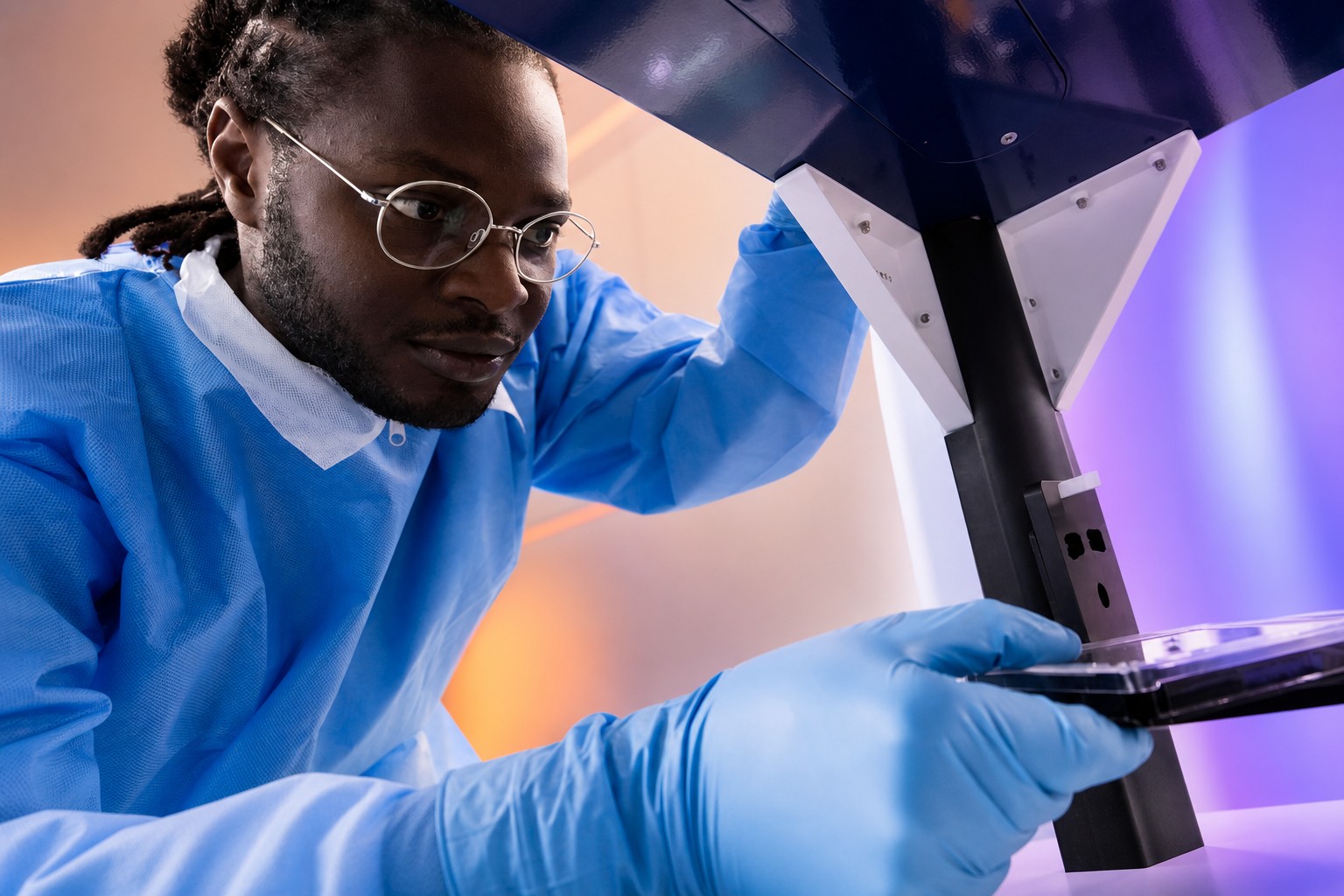
A £20 million robotic laboratory in Liverpool is due to reach full capacity in 2027, running disease research on lab-grown miniature organs instead of animals. Professor Giancarlo Biagini, deputy pro-vice-chancellor for research and innovation at the school behind it, says the facility will accelerate the development of drugs, vaccines and diagnostics, and that working with tissue built from human donor cells rather than animal models should improve the quality of research and make the resulting data more reliable.
The miniature organs include hearts and brains. Biagini's example of what changes is deliberately concrete: researchers can watch a grown heart beat.
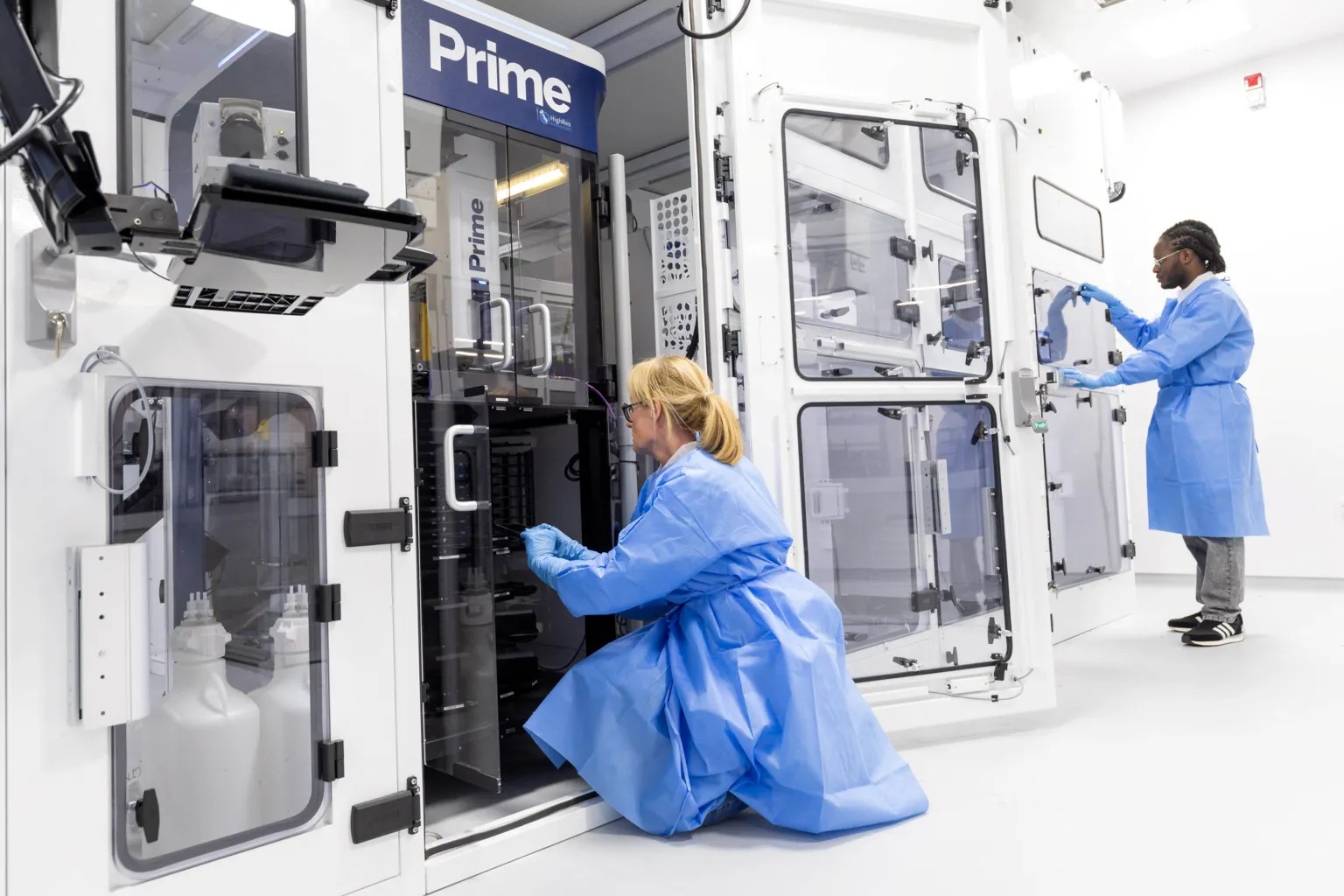
Professor Janet Hemingway, the school's former head, says the project will create several hundred advanced-technology jobs. Robots will do a substantial share of the work, but people will still be trained to develop the technologies behind it, and clinicians and researchers will be able to spend more of their time on how to improve the science rather than on routine bench operations.
Those two claims sit together more awkwardly than the announcement admits. A facility whose selling point is that machines run the experiments is also being sold as several hundred jobs. Both can be true, and the resolution is in the second half of Hemingway's point: the work moves from doing the assays to building and operating the systems that do them. That is a real category of employment, but it is not the same category as the one being automated, and the announcement does not say how the several hundred break down.
What is missing is any quantity attached to the central promise. The claim is that human-derived tissue produces more reliable data than animal models — the whole justification for spending £20 million and waiting until 2027. Nobody attaches a number to it: not how much animal testing actually falls, not by when, not how much faster a drug candidate moves through screening, not what throughput the robots deliver. £20 million and 2027 are the only hard figures on offer, and both describe inputs.
That is the tension the building has to resolve. If organoid data really is more reliable than animal data, £20 million is a bargain and the automation is the least interesting part of the story. If it is merely different data that the field has not yet learned to interpret, the robots will produce the ambiguity faster and at scale.