
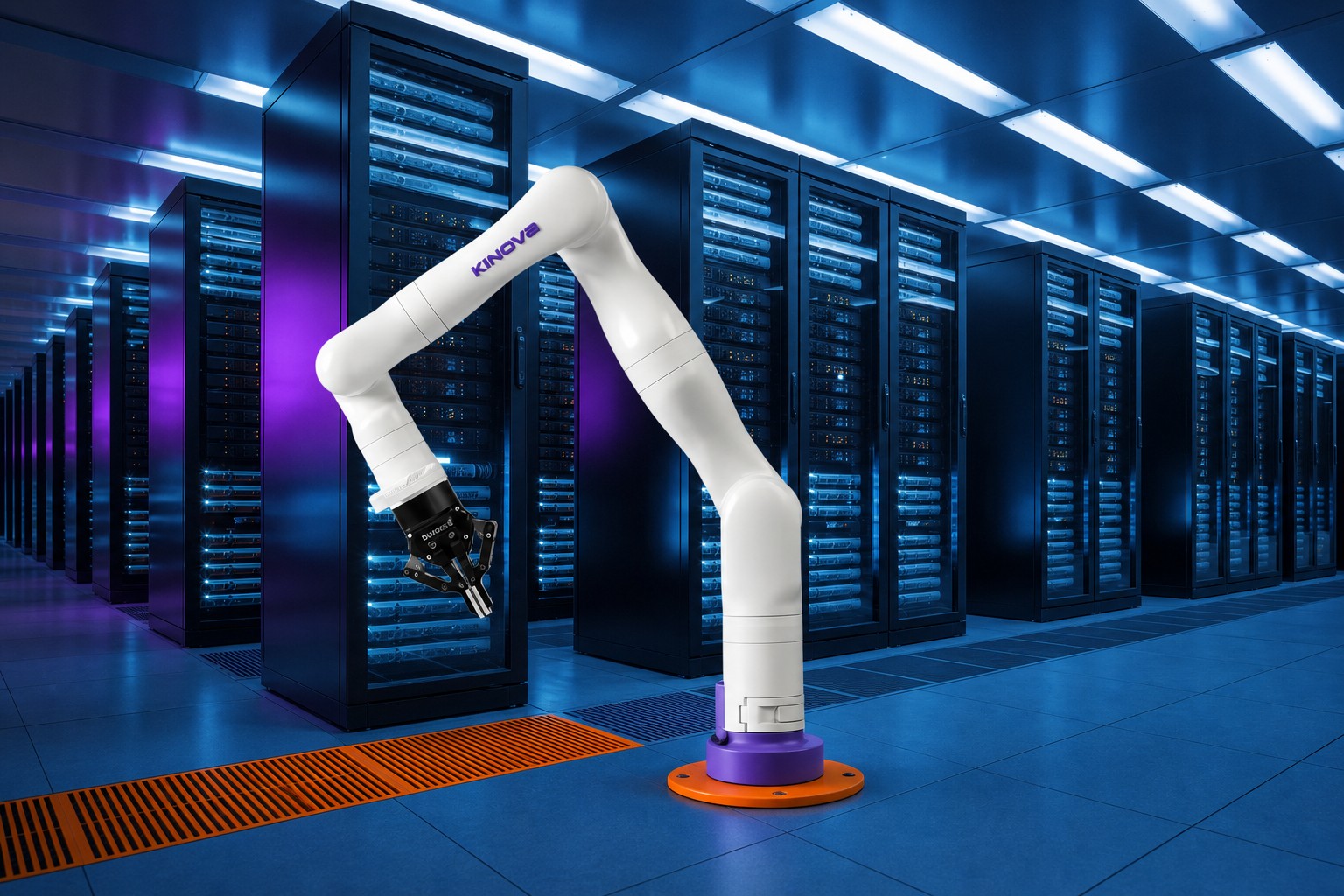
Meta is testing robots to take over the maintenance work inside its data centers, Ars Technica reports. The program is at an early stage: the company is trialling hardware from several robotics firms, among them Kinova, ABB and Watney Robotics. The target is the work that remains once a data center is finished — the small crews that inspect equipment by hand, patrol the halls and carry out maintenance. Those crews are the permanent jobs on the site, and job creation has been one of the main arguments for putting these buildings next to residential neighborhoods.
The arithmetic behind that argument was always strained. Most of the employment a data center generates goes to temporary workers who put up the structure. Once construction ends, so does most of the payroll, and what is left is the handful of people Meta is now trying to replace with machines.
One Meta employee, speaking to Ars Technica on condition of anonymity, said that staff doing physical work had until recently considered their positions relatively protected. By his account, robotics can now reach their tasks as well.
The money involved is small. The dominant expense in a data center is the equipment inside it, above all the costly AI chips needed to run large language models. Even counting the construction of the buildings, human labour is a minor share of the budget. Meta is going after that share anyway.
A Meta spokesperson declined to comment to Ars Technica on the robot trials.
This does not read like a cost story. If labour is already a rounding error next to a room full of AI accelerators, automating it further moves almost nothing on the balance sheet. What it does move is dependence. A facility that needs fewer technicians on site is a facility whose expansion is not gated by how many technicians a local labour market can supply, and Meta is building at a pace where that constraint is more real than the wage bill. That is my reading of the motive rather than the company's stated one — Meta is not saying, and a firm that declines to comment is not going to argue with the cheaper explanation either.
The more interesting question is what happens to the pitch. Towns have been asked to accept these buildings on the promise of work, and the honest version of that promise was always mostly construction crews who leave. Meta is now testing whether the rest of it is necessary. If the trials succeed, the argument used to sell data centers to their neighbours will have been quietly retired by one of the companies that made it.