
Source: techcrunch.com
The accessory is the product
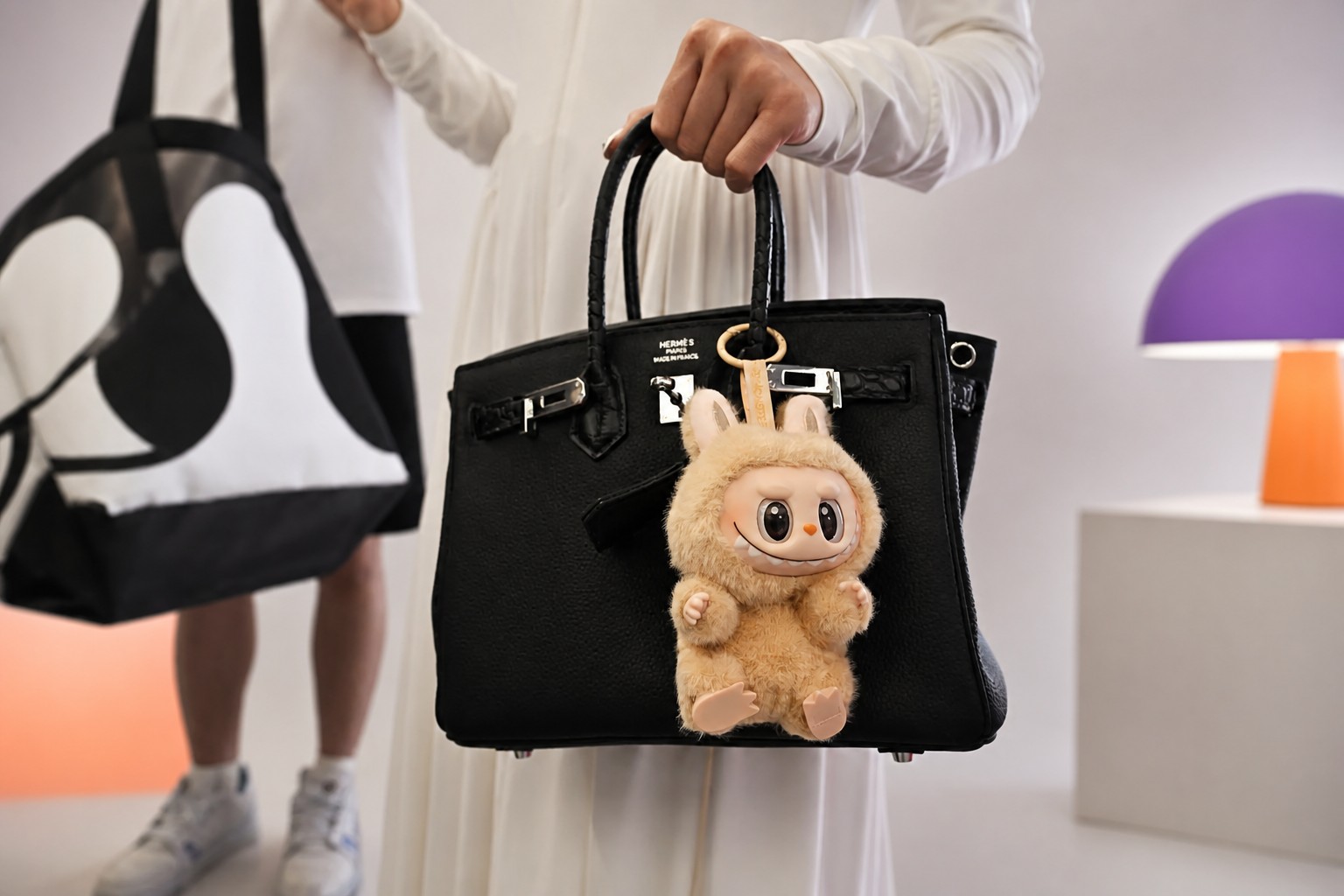
Generation Z helped turn bag charms into a broad consumer category. Lip gloss, hand sanitizer, sunscreen, perfume and other products now appear as decorations, particularly in items aimed at women.
Rhode helped push the idea of beauty as a visible accessory with Hailey Bieber’s viral phone case, which attached lip gloss directly to a smartphone. Vogue reported that Rhode had $212 million in annual net sales from roughly 10 products when Elf Beauty announced its $1 billion acquisition of the brand.
Labubu then widened the market. The furry monster is so unattractive that it becomes cute, and its charms helped Pop Mart grow revenue to $1.8 billion in 2024—seven times its 2019 revenue. Interest in Labubu itself later cooled, but the accessory category remained. One analytics company expects the global bag-charm market to exceed $1 billion by 2030.
The category now includes:
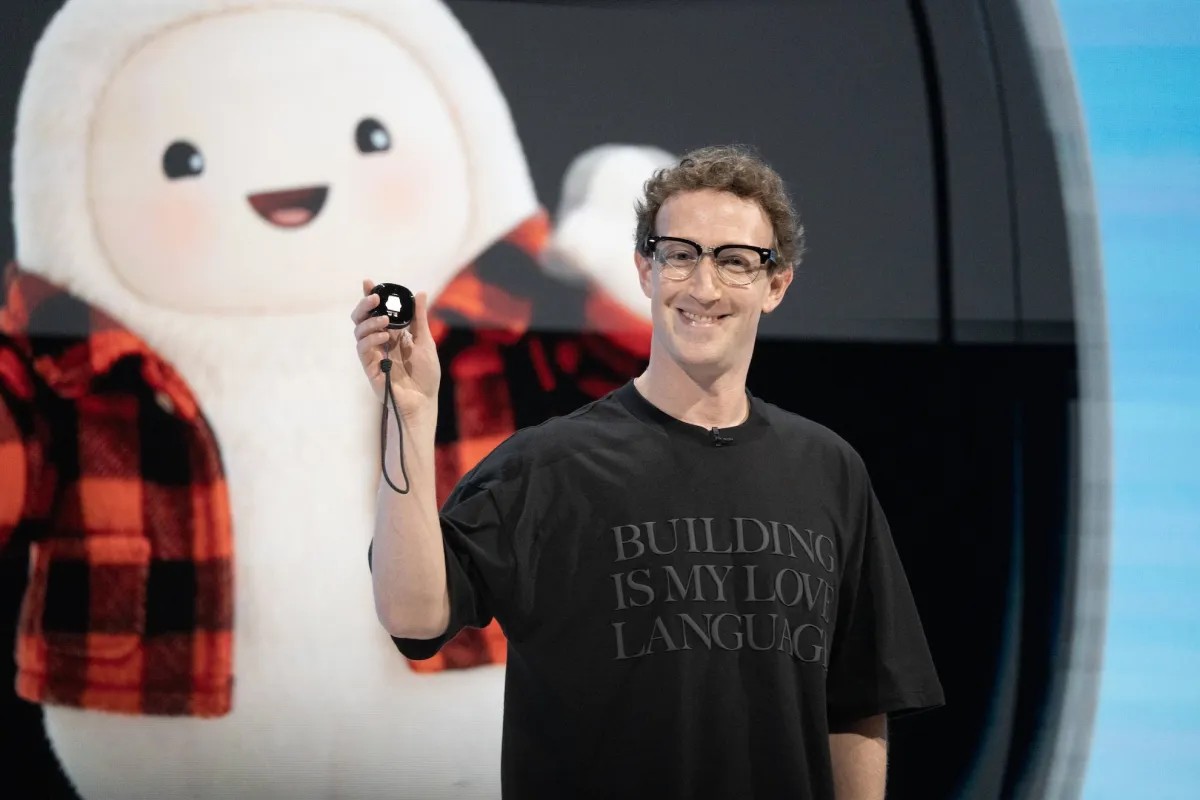
The appeal is self-expression. People have always used clothing, makeup and jewelry to signal identity; Muse applies the same logic to an AI agent. Its custom avatar gives the owner something to personalize, display and carry.
The obvious comparison is Tamagotchi, the pocket digital pet that became a mass-market toy in the late 1990s and regained popularity in the mid-2000s. The more current comparison is Apple Watch.
Some young people are turning older Apple Watches into charms or pendants. TikTok videos show ways to wear the devices when they are not on a wrist, while sellers on Amazon, Walmart, eBay and Etsy offer thousands of:
Young women often treat these watches first as fashion accessories and only afterward as technology. One TikTok user wrote that she was obsessed with the look; another post by Kristina Rodulfo said she had barely used her watch for years but now planned to wear it every day.
Why physical technology is back
Muse also fits a larger return to retro hardware. Digital cameras, flip phones, iPods, compact discs, cassette tapes, home phones and wired headphones are all returning to the market.
Some young people see algorithmic feeds as addictive and modern technology as lacking “soul.” Physical devices offer a way to feel closer to what they use and more in control of technology that has become so deeply embedded in daily life that using it no longer feels like a choice.
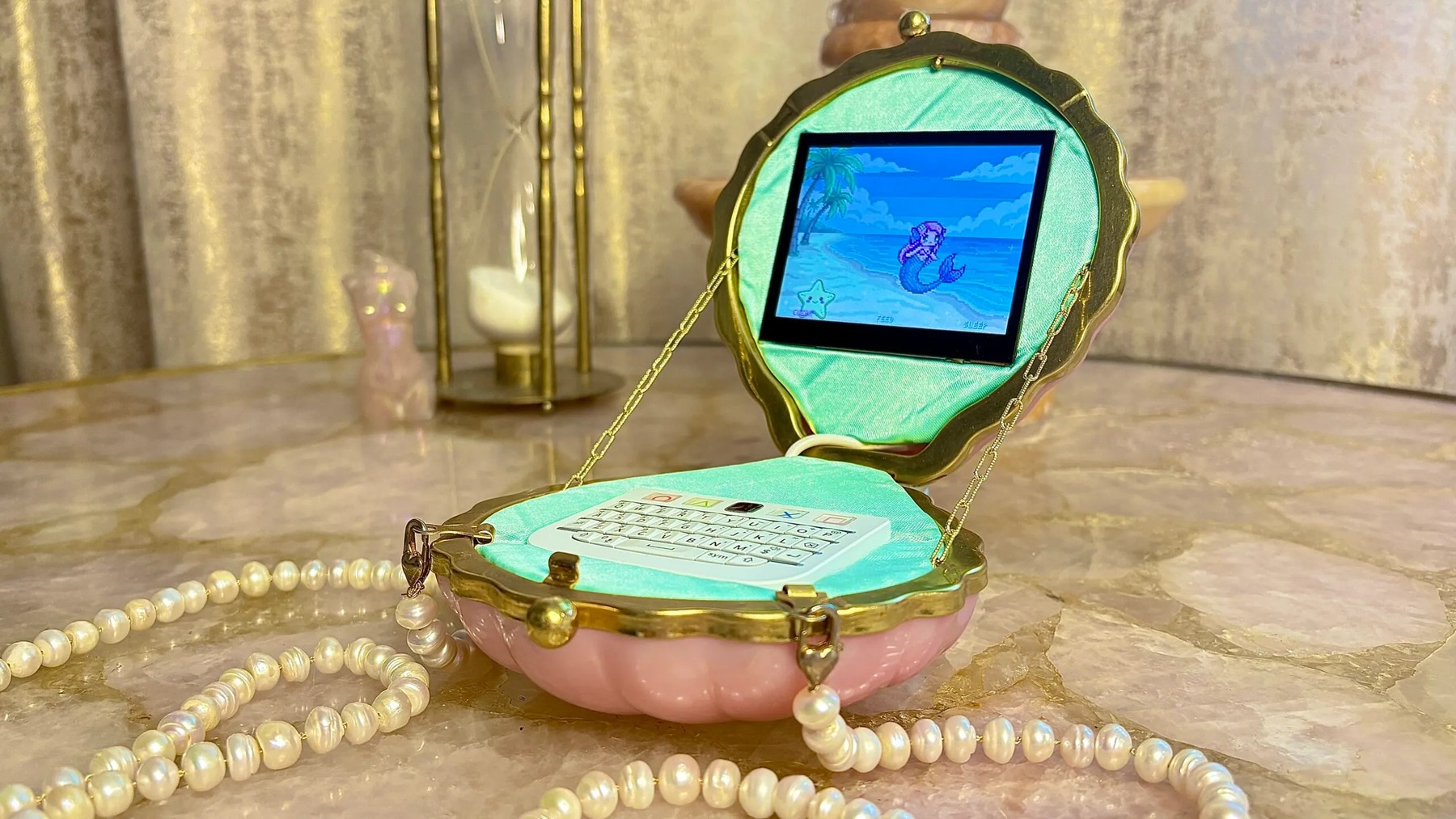
That shift has produced projects such as Clicks, a startup bringing a physical keyboard back to phones with a BlackBerry-like device. Young women are also building portable mini-computers, or “cyberdecks,” and putting them into clamshell bags or handmade cases decorated with rhinestones, flowers, stickers and pearls.
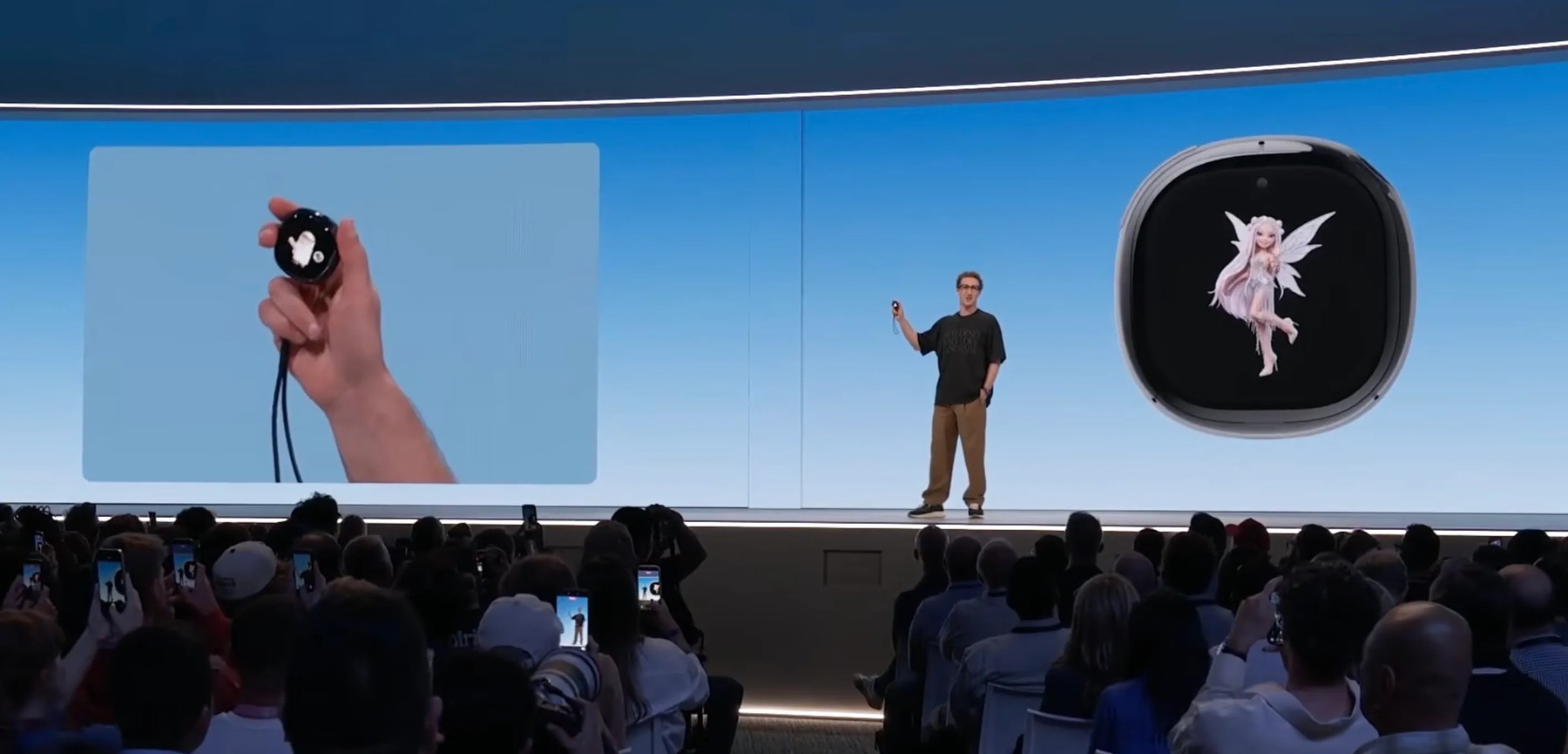
Muse was clearly designed for this environment: technology that can be customized, touched and worn. I think that is the more important idea behind the product than its resemblance to a Tamagotchi. The device does not need to be the most capable AI assistant if its owner treats it as jewelry with an interactive personality.
But the format does not solve the harder problem. What I would want to know is whether people will trust Meta with an object designed to become part of their personal space and routines.
Meta’s trust problem
Meta has repeatedly damaged that trust, and full recovery may not be possible.
The company’s record includes:
Meta’s long-term aim is highly targeted, personalized advertising. The company says Muse will make money through a small commission on transactions, but that does not remove the broader tension between a personalized AI product and Meta’s advertising model.
Users may accept that trade if the familiar “devil” seems safer than an unknown alternative—especially when the unknown alternative warns that AI could lead to humanity’s extinction. My guess is that Muse’s success will depend less on whether the charm looks right than on whether Meta can make personal AI feel intimate without making it feel watched.
Daily AI news
Every day we pick what actually matters in AI and explain it plainly — no hype, no filler. Subscribe if you want to follow where the industry is going.
Only what matters — every day
Follow on X