
The bottleneck is measurement
US data centers use 17 billion to 19 billion gallons of water each year for cooling, according to the Water Foundation. That volume could triple over the next five years.
For companies spending billions to expand AI infrastructure, water is both a cost and a politically sensitive resource. Better monitoring could help operators use cooling fluid longer and avoid unnecessary treatment. Today, they typically send samples to a lab and wait several days for results.
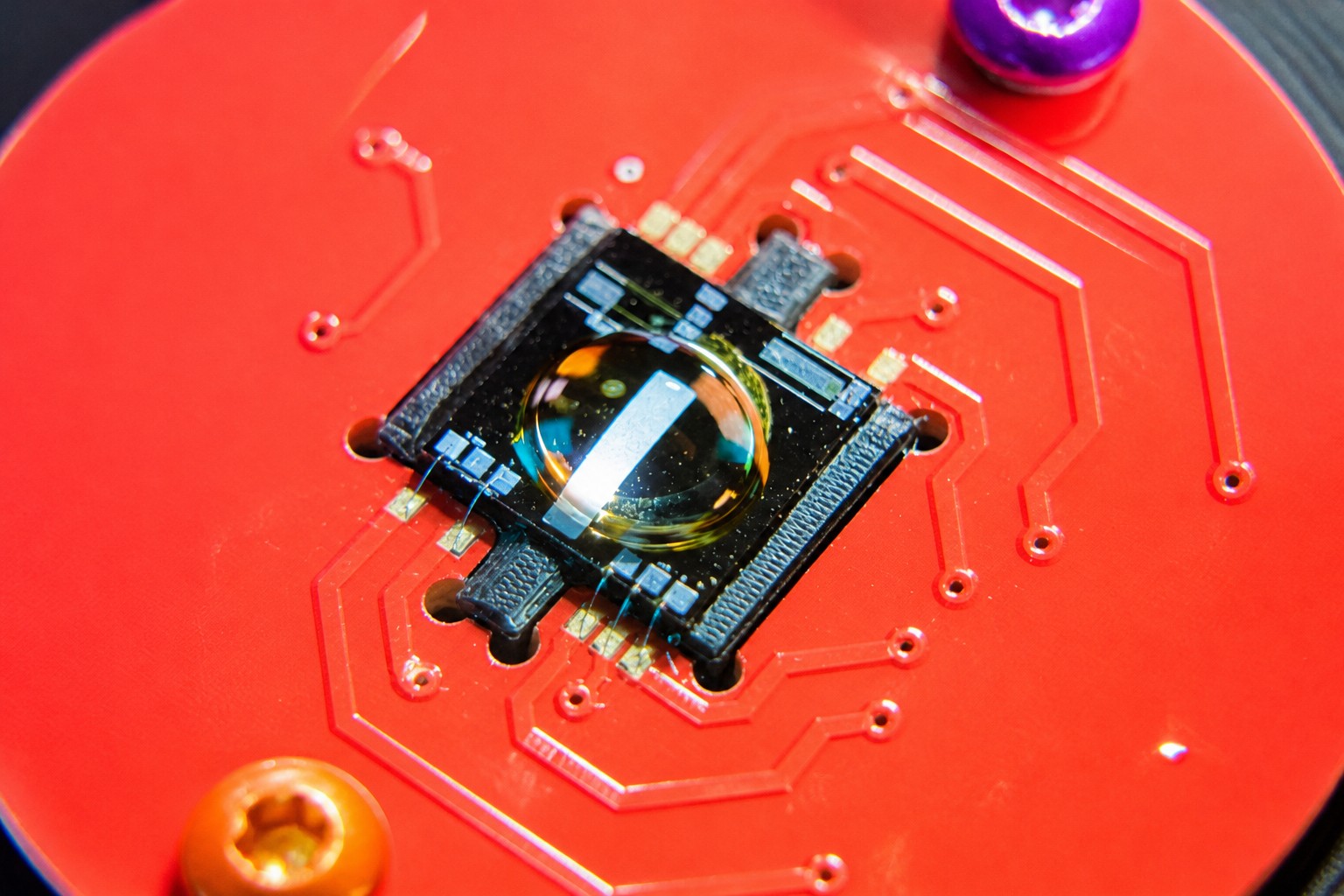
Founded in 2024, Omen is building a sensor that monitors water in real time for problems such as failing valves or bacterial growth that could restrict flow. The company raised $31 million in a Series A round in June. Aquatic Labs adds a different measurement capability: Omen’s devices look for various elements in water, while Aquatic’s sensor measures alkalinity.
The combined sensor is intended to give operators a fuller picture of the fluid. Allan Adams, Aquatic Labs’ CEO, told TechCrunch that both teams are also working to automate a process that has been slow and manual.
Adams will become chief science officer of the combined company. The teams are already working to combine their technologies in one sensor, which they expect to bring to market early next year.
The deployment targets are the bigger test
Omen founder Zach Laberge said the company expects its first sensors to monitor chips using 250 to 300 MW of power by the end of this year. The equipment involved is worth about $5–7 billion. By the end of 2027, Omen aims to install sensors at sites with a combined chip capacity equivalent to 1 GW.
Those targets put the acquisition in the context of a market where water monitoring is tied directly to uptime. When a liquid system develops a problem, operators often drain it rather than risk expensive equipment. Work stops until the system is restored. Monitoring could let them keep using the same fluid longer and reduce purification costs.
The founders bring different backgrounds to the effort. Laberge left college to start a company that analyzed fluids in large construction machines with hydraulic systems. Adams is a physicist and former scientist who taught at MIT and worked on advanced ocean-sensing technologies at the Woods Hole Oceanographic Institution before founding Aquatic Labs.
Adams also sees uses beyond data centers. Water enters a facility and later flows into a municipal water system; measuring it, he told TechCrunch, is part of making that process safe and responsible.
Built for sites already in motion
Some investors have questioned the pace of infrastructure construction after estimating that AI companies could spend up to $4 trillion on infrastructure by 2030. Shares of major cloud companies have fallen sharply in recent days.
Omen’s team says it is not worried about that change in sentiment because its products are needed after a data center is built. Laberge told TechCrunch that the company is working with customers on sites under construction or already complete, with financing secured 12 months ago. He estimates that even if the market shrinks by half, it would still be the largest in human history.
I think the acquisition’s appeal is straightforward: Omen is adding a measurement capability that could make its sensor more useful, but the announcement does not establish how reliably the combined device will work in operating facilities. The company’s near-term deployment targets matter more than the broader infrastructure forecast. If those installations happen, Omen will have evidence that real-time water monitoring can solve an operational problem, not just accompany new construction.
Daily AI news
Every day we pick what actually matters in AI and explain it plainly — no hype, no filler. Subscribe if you want to follow where the industry is going.
Only what matters — every day
Follow on X