
From prompts to ongoing work
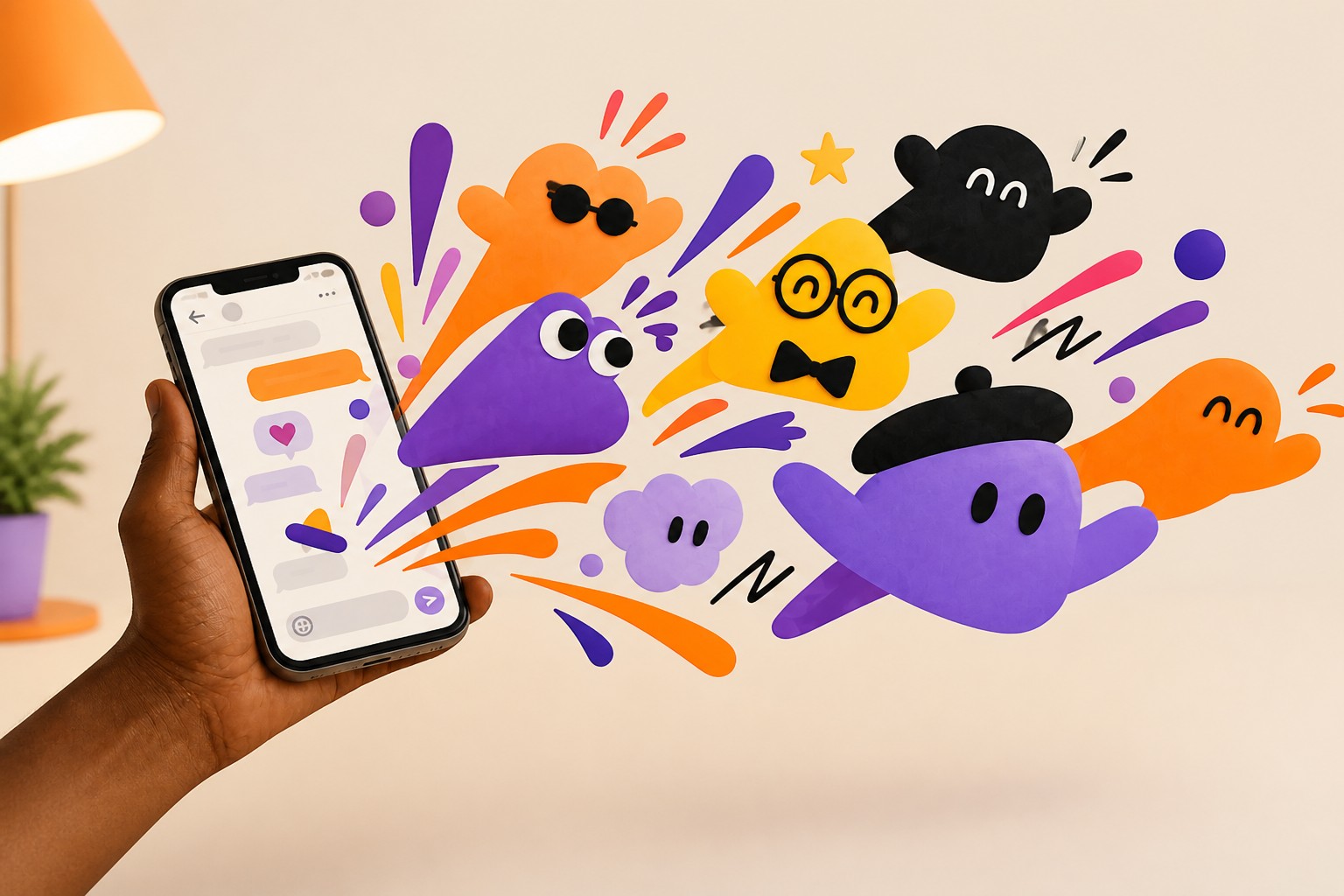
Announced at DevDay 2026, Dots run on OpenAI’s flagship GPT-6 Astra model. Each gets its own cloud computer and browser, and users will access them through ChatGPT on the web and mobile. OpenAI co-founder and CEO Sam Altman said at the event that Dots would soon appear in other messaging apps and be available by phone as an audio model.
Through OpenAI’s plugin ecosystem, Dots can connect to more than 4,000 apps and communicate with users through ChatGPT, Slack and Microsoft Teams. Over time, OpenAI says, they will adapt to a person’s preferences, standards and working style.
ChatGPT Space is meant to give that work a shared home. Colleagues, ChatGPT and a user’s Dot can work with the same project knowledge, creating shared materials rather than leaving an agent’s output in one employee’s chat history.
The distinction is important: OpenAI is pitching a colleague that can be assigned work, not just a bot that can draft an answer. A Dot can handle several projects at once, accept new assignments without separate chat threads and continue working while its user is busy elsewhere.
The company’s examples span several kinds of work:
The common thread is not producing one more document. It is staying responsible for a workflow as its inputs change. In principle, that lets an employee set the goal and standards while an agent tracks the work. Dots can operate through browsers and connected apps, so companies may not need to rebuild their existing software systems as AI-native applications to use them.
The permission problem
OpenAI calls one background capability “proactive research.” When a user is not working directly with a Dot, it can check data in connected apps for items that need attention. Those tools are read-only: they cannot send messages, change content or control the user’s computer and browser.
Actions in external systems require more permissions. Users and organizations choose which apps a Dot can access through existing ChatGPT app settings. They can also set rules that allow certain actions, require confirmation or prohibit them. An activity view lets users inspect background work and intervene.
OpenAI says an automated review system checks potentially consequential actions against the user’s instructions, custom rules and OpenAI’s built-in safety requirements. It decides whether an agent can act on its own or needs approval. Some sensitive operations, such as changing passwords, remain with the user.
Each Dot runs on its own cloud computer, separate from an employee’s device unless the two are explicitly connected. OpenAI says supported websites can use saved credentials without exposing the password to the model. Users can also let Dots connect directly to a laptop or another device, giving them deeper access to the employee’s working environment.
That makes access control part of the product itself. A chatbot’s mistake might produce a bad paragraph; an agent with authorization in a business application might change records, send information or trigger another process. OpenAI acknowledges that Dots can make mistakes and advises users to check important work.
For Business, Enterprise and Edu workspaces, customer content is not used to improve OpenAI’s models by default. Users on personal plans can decide whether their Dot conversations and outputs can be used for model improvement. OpenAI also says it does not directly train models on an agent’s proactive research or its private notes for itself.
Agents with identities of their own
OpenAI is also beginning targeted trials with companies for specialized Dots. Unlike a personal Dot acting for one user, these agents would have their own organizational identities and credentials, access to company systems and defined job responsibilities.
OpenAI says it has already tested internal agents for procurement, invoice processing, marketing outreach, customer support and commercial contracts. In the new trials, OpenAI engineers will work with customers to define each agent’s duties, tools and approval process. The company is also working with Microsoft to bring specialized agents into Microsoft Agent 365, where organizations can manage them through their existing security and administration systems.
If this model takes hold, companies may treat agents less like software licenses assigned to employees and more like machine accounts that need credentials, access rules, monitoring and a way to be switched off. That could put AI agents into the same administrative picture as people and service accounts.
Dots also arrive as companies test similar products for individuals. Meta launched Muse on September 8, describing it as a personal agent that runs in a separate secure virtual machine, works with connected apps, remembers information about users and can pursue goals on its own.
TechCrunch, citing Sensor Tower data, reported more than 3.4 million Muse downloads by September 24, less than three weeks after launch. Apptopia estimated 4.3 million downloads, while Appfigures estimated about 2.3 million. All three estimates point to a fast start; Sensor Tower counted 2.8 million downloads in Muse’s first two weeks. The app climbed near the top of Apple’s and Google’s US app-store rankings.
Meta is now extending Muse into work. On Tuesday, it added integrations for small businesses, including Shopify, QuickBooks, Stripe and Canva. The Wall Street Journal reported that about a third of Muse users had connected a work account and that more than 1,500 companies had applied for Muse integrations.
Other launches point in the same direction:
I think the important competition here is not just which model answers best. It is which agent earns enough trust and familiarity to keep access to a person’s or company’s everyday systems. An agent that remembers preferences, learns a workflow and accumulates permissions may be harder to replace than a chatbot. That also creates a boundary problem: employees may bring increasingly capable personal agents into companies that are introducing their own approved ones.
The infrastructure is taking shape; the price is not
Dots are one part of a larger set of OpenAI announcements at DevDay 2026. The company announced more than 20 products and updates, including GPT-6.1 Sol, new high-speed model options, additional privacy controls, computer use through the Agents API, an expanded plugin system, event-based automation, shared ChatGPT workspaces and deeper Slack and Teams integrations.
For business users, ChatGPT Space is the piece that could make Dots participants in shared workflows rather than individual assistants. OpenAI says teams will be able to work with shared pages, presentations, plugins and spreadsheets. They will also be able to assign recurring work to automations that gather information and act on a schedule or when certain events occur.
Together, these products supply much of the infrastructure a persistent workplace agent needs: models, computers, tools, event-triggered actions, communication channels, shared workspaces and administration controls.
The first Dot is included with Pro and Business Premium at no extra charge. OpenAI has not said how much intensive work that includes, what additional Dots or higher speed and volume will cost, or how specialized agents will be priced. Enterprise, Edu and Healthcare customers can try the beta if an administrator enables it.
What I’d want to know is how often people will have to step in, and what that oversight costs in practice. If agents take on administrative, engineering, sales, research and creative work, businesses will need to weigh useful output against errors, computing costs and the human effort needed to supervise them. OpenAI has made the idea of a persistent digital colleague more concrete; the economics and the limits of trust are still unsettled.
Source: venturebeat.com
Daily AI news
Every day we pick what actually matters in AI and explain it plainly — no hype, no filler. Subscribe if you want to follow where the industry is going.
Only what matters — every day
Follow on X