From simulation to rover
Students from programming, electronics and mechanical engineering worked on the project. Jamie Smith, a third-year electrical and electronic engineering student, led the programming group, which built the rover’s autonomous control software. Before the team had the robot, students tested that software in rover simulations.
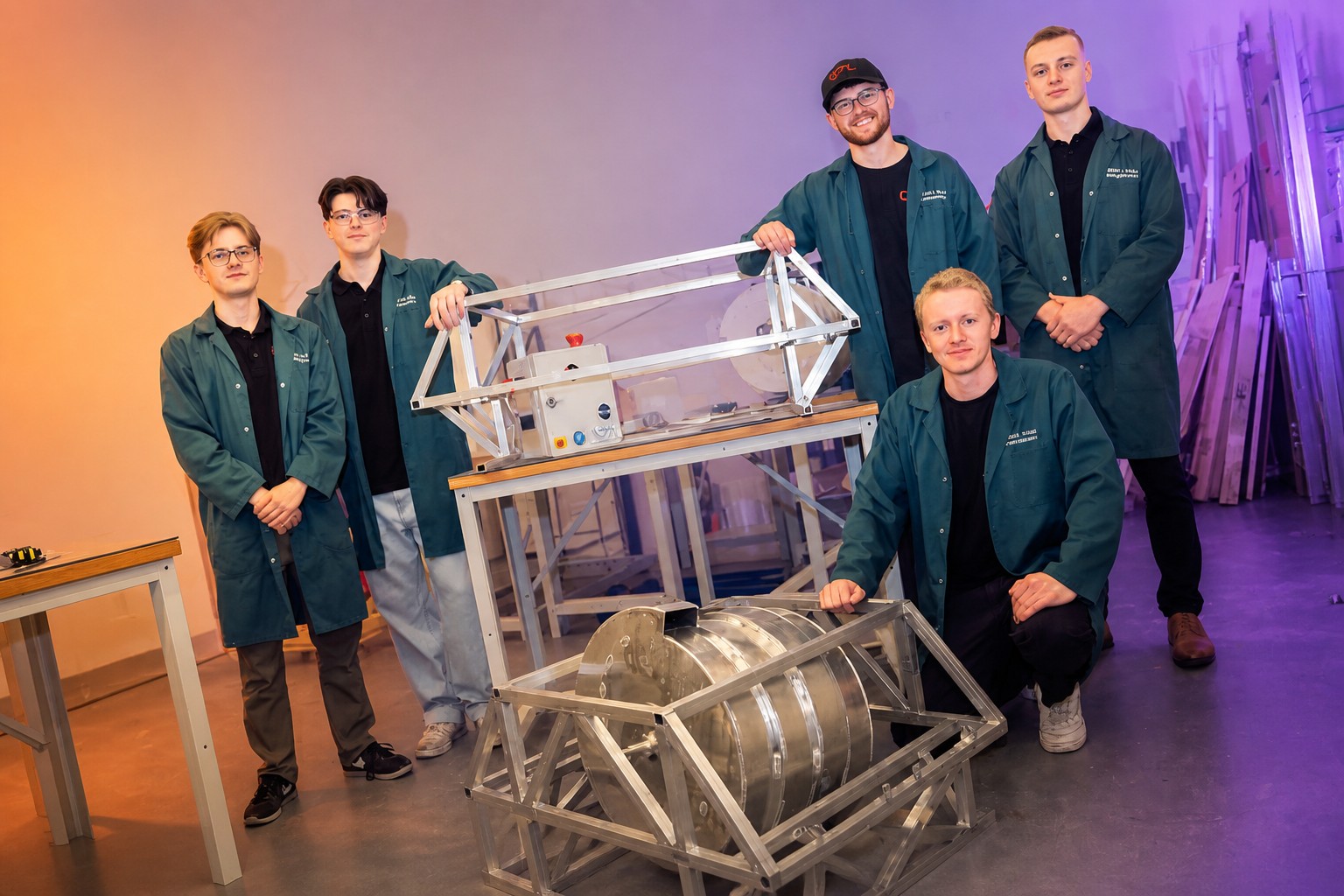
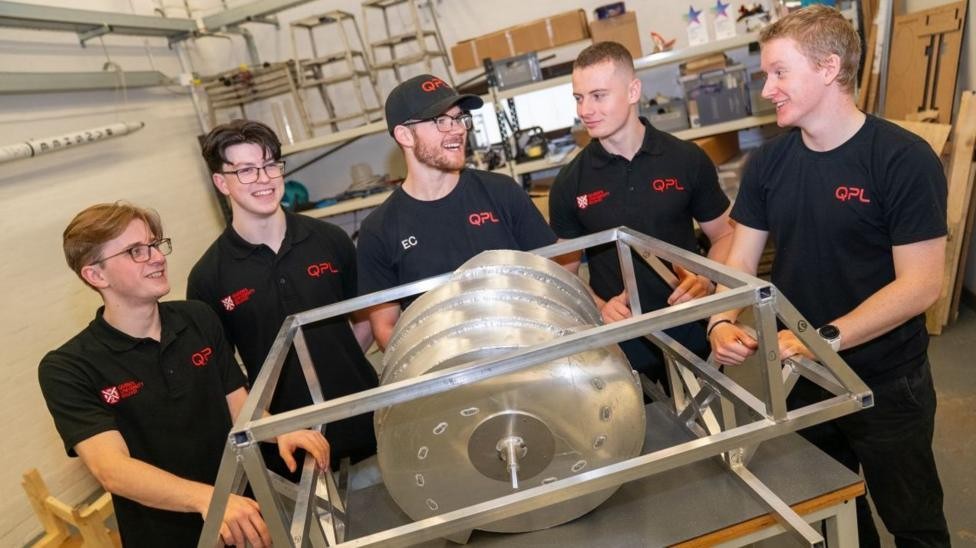
Mechanical engineering doctoral student Jack Fitzpatrick worked on the vehicle’s structure, assessing its strength, ability to withstand environmental conditions and traction on the surface. The 52 kg rover has an aluminium frame.
The team took the rover to a competition in Milton Keynes, where it won. A few weeks later, the students were invited to NASA Lunabotics as the UK competition’s winners. They will be the only European team, representing Northern Ireland, the UK and Europe.
The job on the lunar surface
The rover must navigate a room designed to mimic the Moon, locate itself, reach an excavation site, collect sand standing in for lunar soil, and transport it elsewhere. The challenge is meant to test how real rovers could work autonomously on the Moon and prepare an environment for people arriving later.
The team’s work brought together software, electronics and mechanical design, but the announcement offers little detail on how the rover performed at Milton Keynes or what made it the winning entry. I think that is the more useful measure to watch at NASA: not simply whether the machine completes the task, but how reliably its autonomy holds up when the terrain and conditions change.
A long build, an uncertain result
The international final brings together winners of qualifying competitions in different countries. The Belfast team is not sure it will win this year; its stated aim is to keep improving the design and perhaps return in a few years with a winning project.
QPL robotics lead Cailan Boyle said the team was proud of the result and excited about the upcoming competition. Preparing the rover for its mission took hundreds of hours, he said.
That effort is already part of the outcome: the team has taken a student-built rover from software simulations to a UK competition win. The NASA event will test whether those hundreds of hours have produced a machine that can do more than succeed once on familiar ground.
Daily AI news
Every day we pick what actually matters in AI and explain it plainly — no hype, no filler. Subscribe if you want to follow where the industry is going.
Only what matters — every day
Follow on X