
Source: bbc.com
From simulation to rover
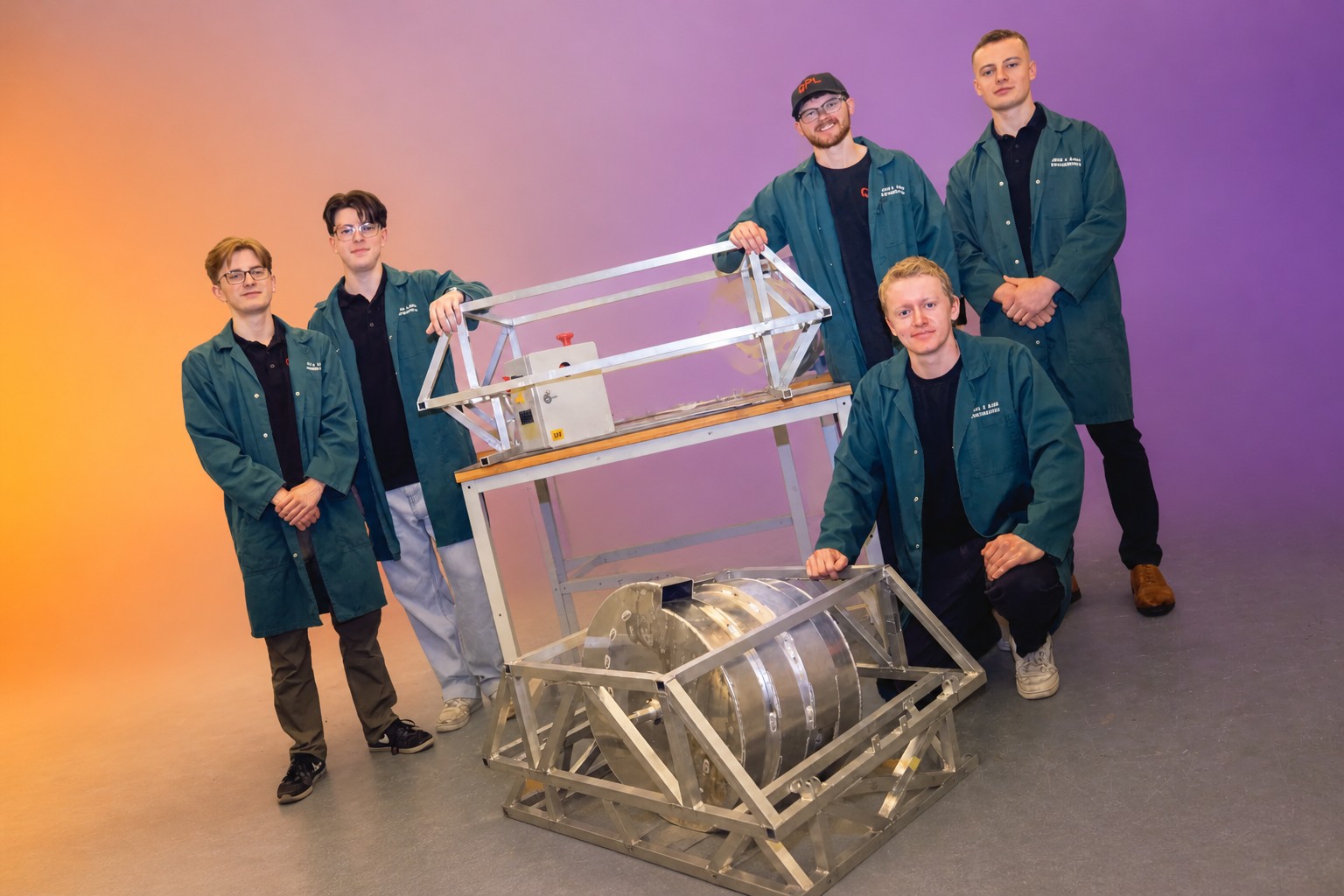
The students split the work across programming, electronics and mechanical engineering. Jamie Smith, a third-year electrical and electronic engineering student, led programming. His group worked on rover control and autonomous functions, using simulations to test software before the team had the rover itself.
Jack Fitzpatrick, a postgraduate student in mechanical engineering, worked on the mechanical group. It tested whether the parts were strong enough, whether the structure could withstand operating conditions and whether the rover could maintain traction.
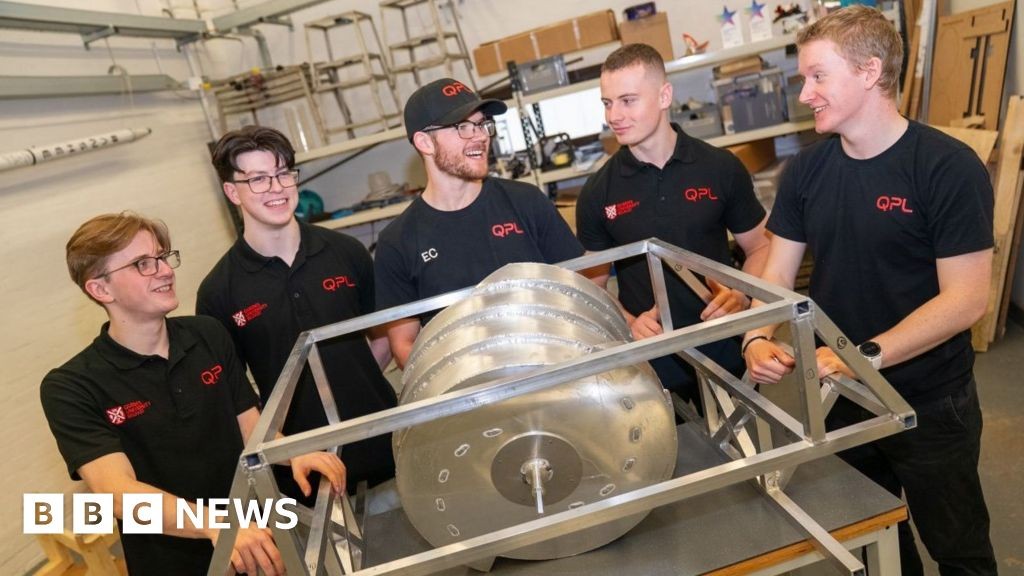
The team designed a 52 kg aluminium chassis and took it to a competition in Milton Keynes, where it won. A few weeks later, NASA invited the students to Lunabotics.
What the rover has to do
The rover must navigate an indoor space designed to imitate the lunar surface. It has to locate itself, travel to an excavation site, collect sand representing lunar soil and move it elsewhere — all autonomously.
The task is intended to reflect work real lunar rovers could do. The competition tests whether robots can operate independently on the Moon and help create conditions for future human habitation.
The harder measure
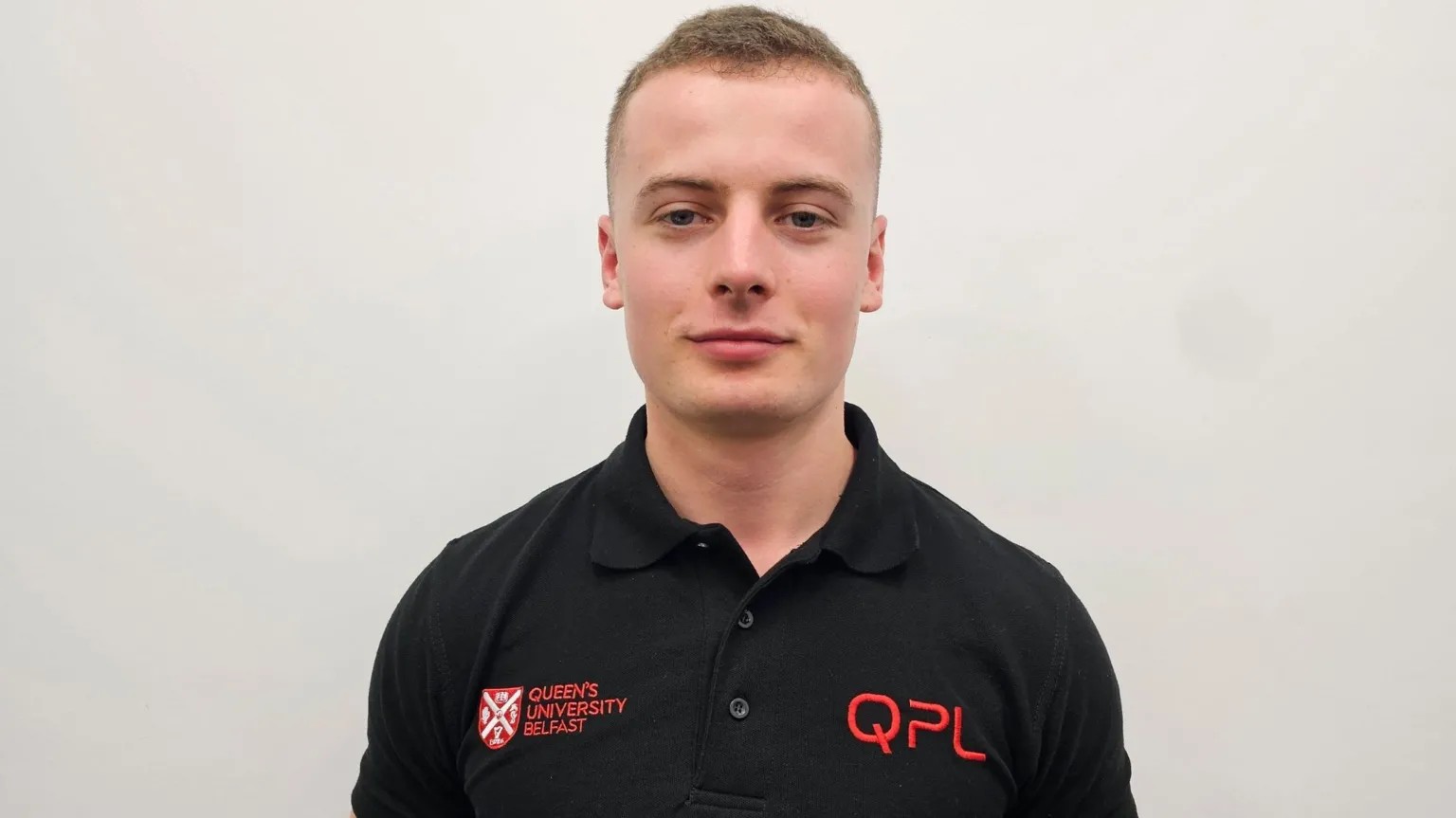
Fitzpatrick described the invitation as a chance to show what the team has learned. He said the students would represent Northern Ireland, the UK and Europe, and acknowledged that they might not win this year. The team hopes to keep improving the rover and perhaps return in a few years with a winning project.
The competition brings together teams that qualified in different countries. The Belfast team won the UK contest; now it will compete against what Fitzpatrick called the strongest teams at the international final. QPL robotics lead Colan Boyle said the students were proud of the result and had spent hundreds of hours preparing the rover for its mission.
I think the most revealing part is not the invitation but the team's plan to come back better. A single competition result says little about whether the rover can perform reliably; the more durable test is whether the students can turn this year's build into a stronger system next time. NASA's challenge offers a demanding benchmark, but the announcement does not say how the rover performed on the individual tasks in Milton Keynes — or what it will need to improve before the final.
Daily AI news
Every day we pick what actually matters in AI and explain it plainly — no hype, no filler. Subscribe if you want to follow where the industry is going.
Only what matters — every day
Follow on X