
A familiar boom, with a different footprint
Anthropic plans to use the facility to serve Claude. Singapore-based developer Zerra DC says its cooling system will use much less water than most existing data centers, with consumption expected to be about the same as an average shopping center. The company says construction would employ thousands of people, with around 1,400 permanent jobs.
Those figures are large, but residents are weighing them against an earlier boom. Coal seam gas drew workers away from farms and local businesses with high wages. Yet operating a gas well required far fewer people than building one. When the industry contracted, some local businesses were left with debts from investments they no longer needed. Researchers disagree on whether the region was ultimately worse off or slightly better off.
Lisa Balmain, a farmer from Cecil Plains who opposed the gas industry for years, sees parallels between that experience and the data center proposal.
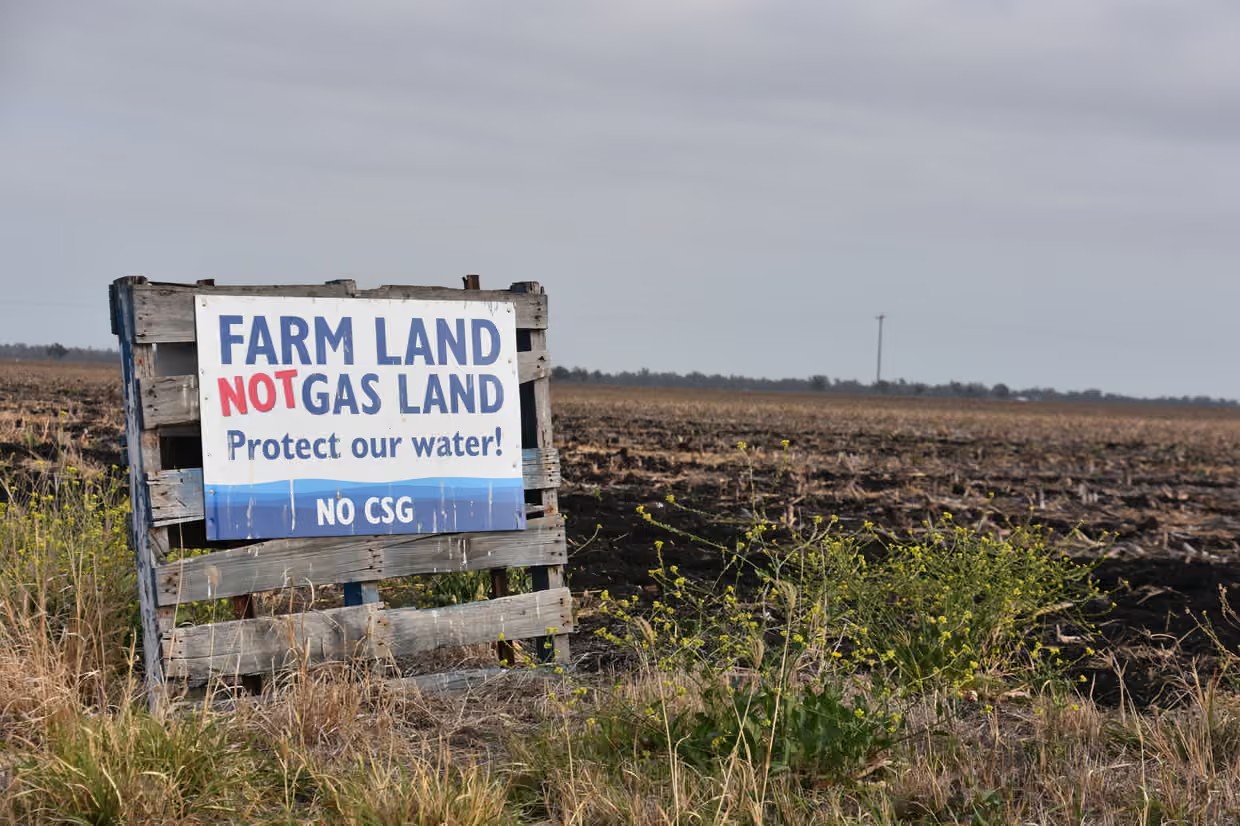
The site of what is planned to be Australia’s biggest datacentre is, today, a feedlot on a rural road 30km outside Dalby, surrounded by coal seam gas wells and three gas power plants. Photograph: Andrew Messenger/The Guardian
Source: theguardian.com
Opposition is already forming. Mordechai Winters, a travel agent in Dalby, said the announcement upset and disappointed him. A petition he helped launch gathered more than 21,500 signatures in a few weeks, mostly from local residents.
The debate echoes growing resistance in the United States, where energy use, noise and siting have fueled opposition to data centers. Three-quarters of Americans now oppose them, and more than 500 counties have imposed bans. In Australia, Joe Shulman, executive director of the Environmental Defenders Office, says inquiries to the group’s free legal line about data centers have risen 250% since January.
Shulman says the facilities are needed for the clean-energy transition, but wants time to develop national standards. She has called for a temporary pause on approvals, warning that the sector could repeat mistakes made during the gas boom.
Who gets to decide
The project’s review has shifted from local government to the Queensland government. Dalby mayor Andrew Smith had expected the Western Downs Regional Council, which represents 35,452 people, to retain authority. The state says a new planning process will create a consistent, transparent approach, similar to the one used for renewable-energy projects. The government will assess and coordinate data center applications rather than local councils.
Queensland Premier David Crisafulli said he encouraged the company to invest in the state during a recent trade trip. He says the project could bring good jobs to rural areas and, if delivered well, lower electricity bills for other Queensland residents. A spokesperson for planning minister Jarrod Bleijie said data centers would be treated like mining, renewable-energy and tourism projects, with any agreements needing support from councils and residents.
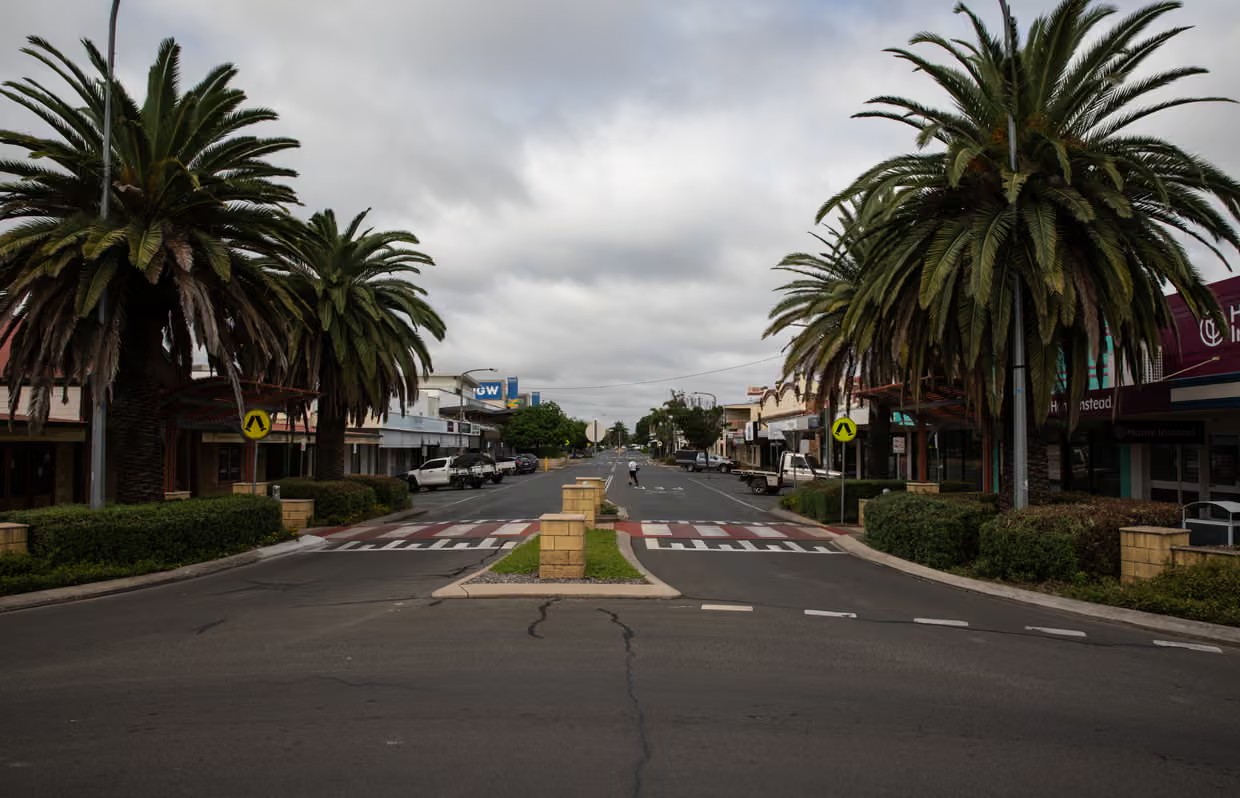
Cunningham Street, Dalby. The town’s mayor says coal seam gas ‘diversified our economy … It’s created jobs.’ Photograph: David Kelly/Photograph David Kelly/The Guardian
Source: theguardian.com
Smith expects an approved project to benefit the community more than coal seam gas did, but he does not support or oppose this proposal. Anthropic wants to start using the data center next year; Smith says the planning process should not be rushed. Jo Sheppard, executive director of Toowoomba and Surat Basin Enterprise, says many residents have yet to decide what they think, and that the developer needs to maintain public support.
I think the central uncertainty is not whether the project can create jobs, but how long those gains last and who carries the costs if the boom fades. The state is taking control of the decision while the promised benefits and the local risks remain unsettled.
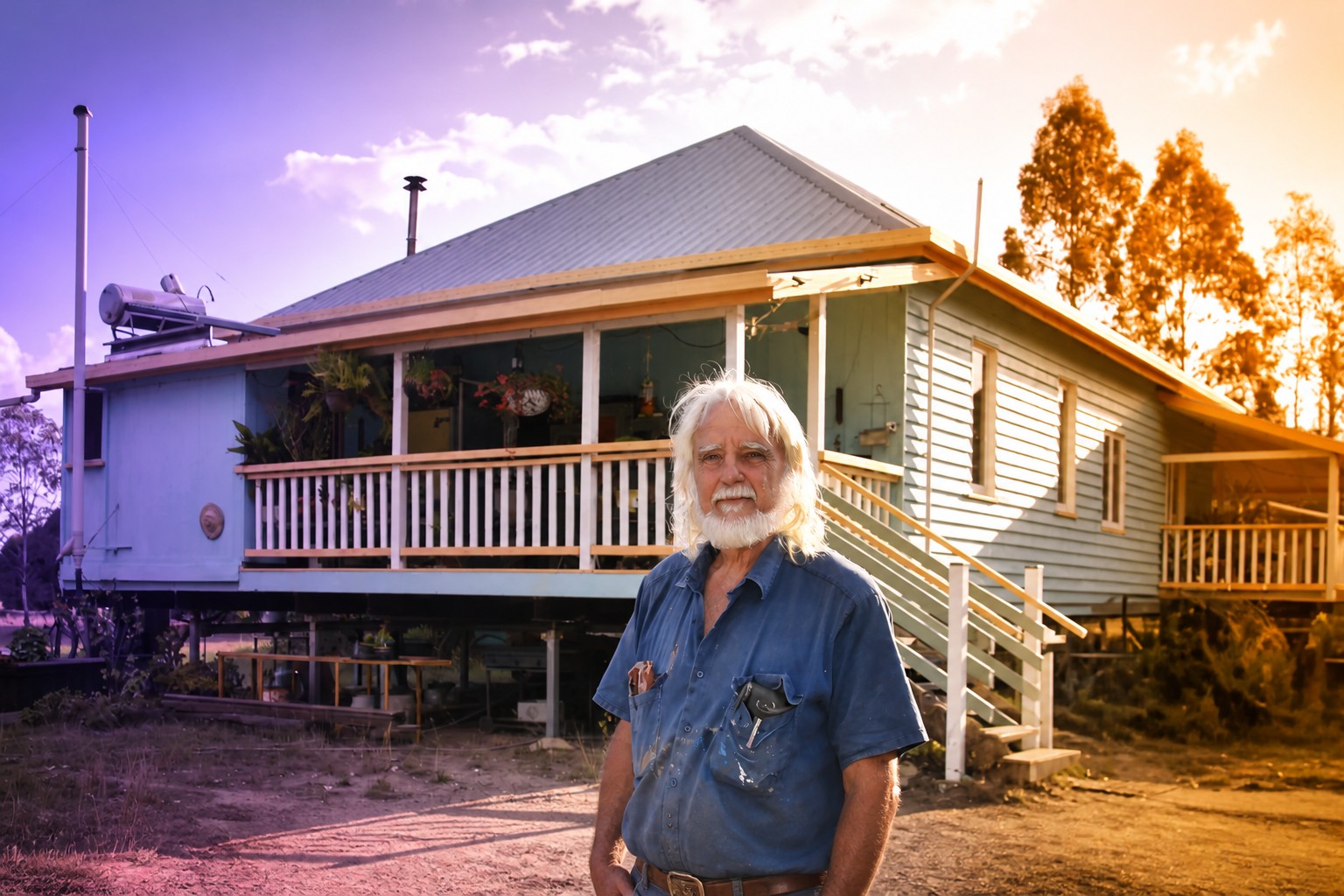
Kanowski, who has watched companies come and go from rural Queensland for 70 years, sees the data center as more than an industrial project. He says its developers fail to notice the trees or understand how the parts of the environment connect. To him, the proposal is part of a network of facilities that money-driven developers want to build around the world.
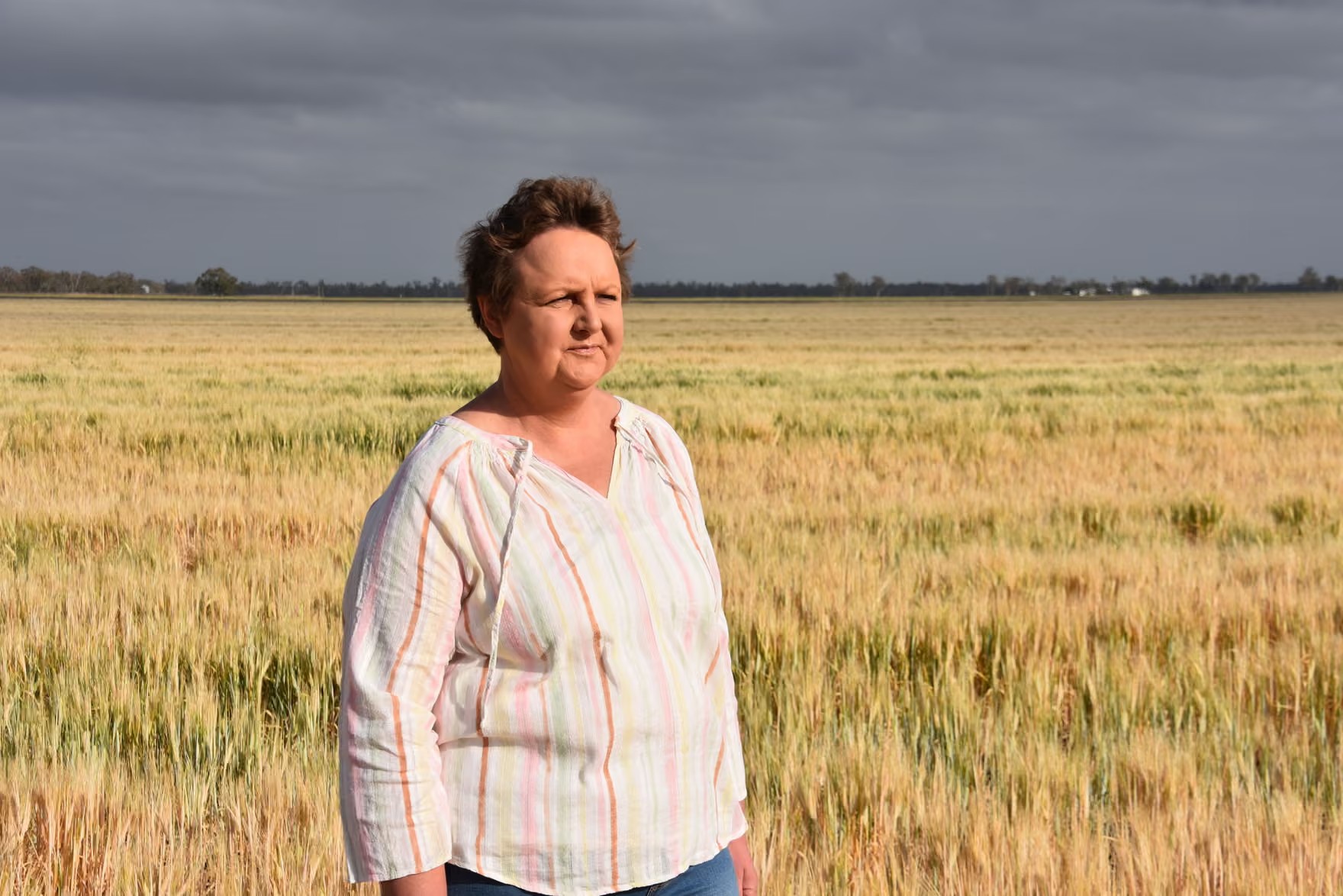
Liza Balmain fought for years to keep coal seam gas off her land in Cecil Plains near Dalby. She says she can see ‘huge similarities’ with the proposed datacentre. Photograph: Andrew Messenger/The Guardian
Source: theguardian.com
Daily AI news
Every day we pick what actually matters in AI and explain it plainly — no hype, no filler. Subscribe if you want to follow where the industry is going.
Only what matters — every day
Follow on X