
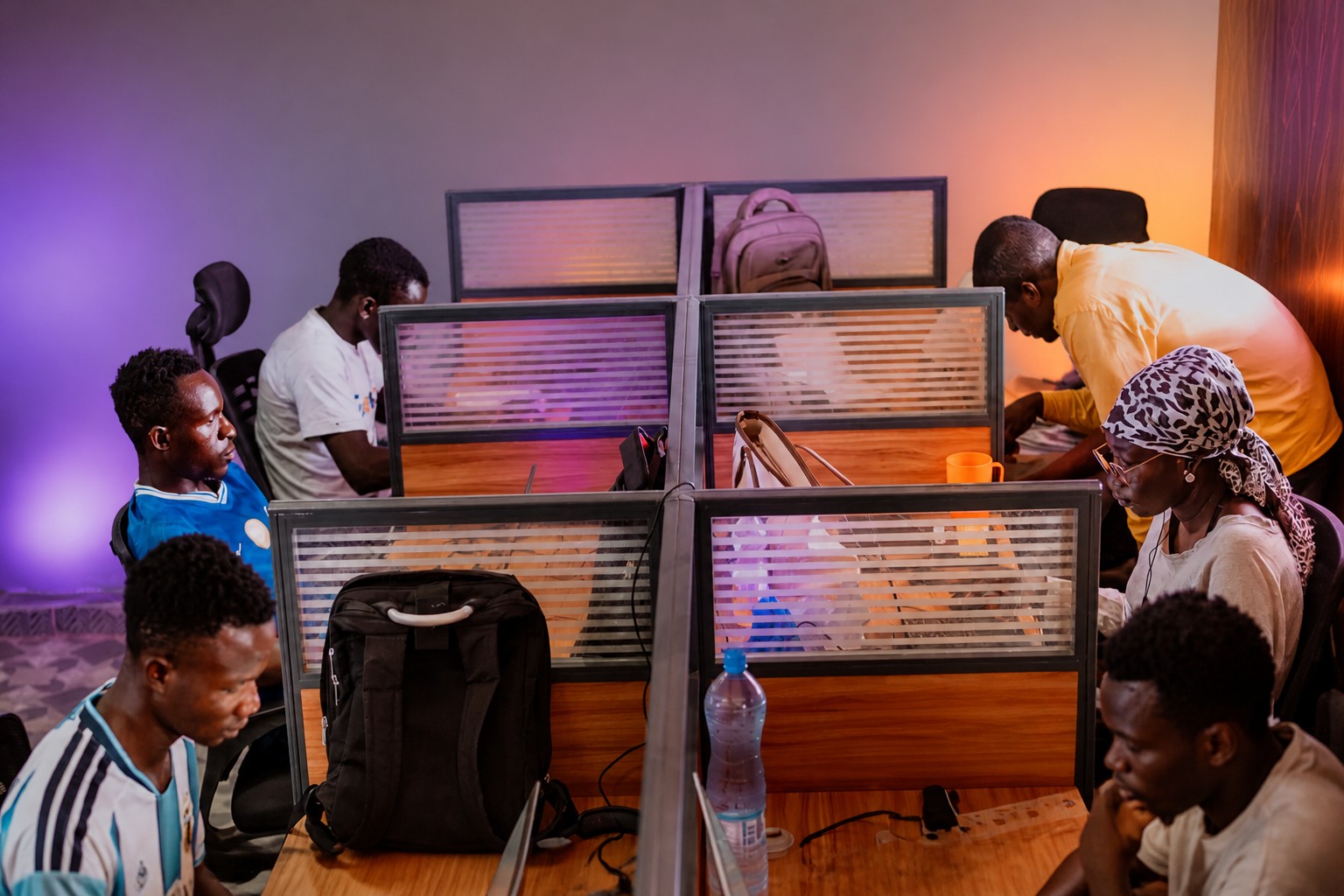
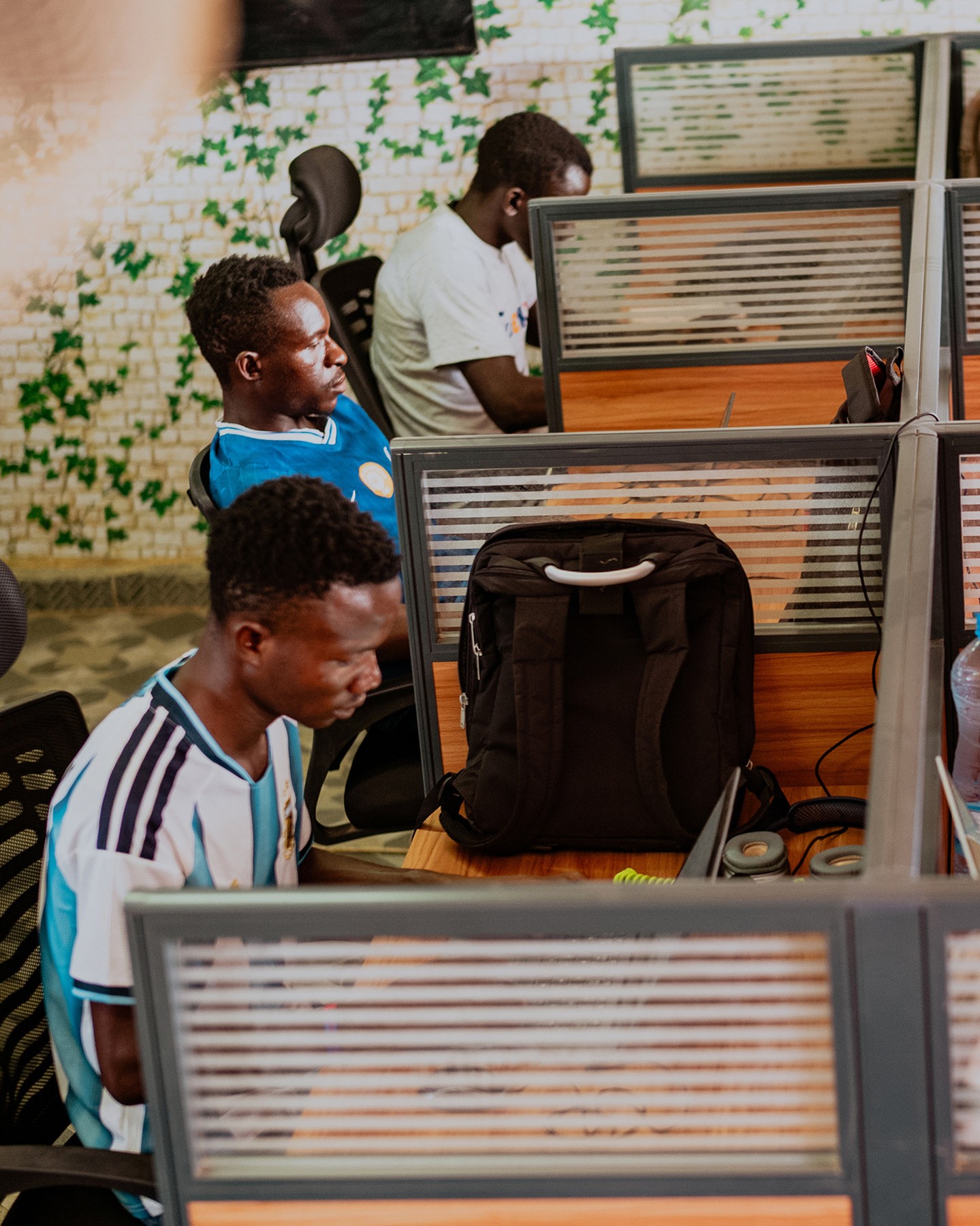
Digital freelancers work at the Generation Aid center at the Kakuma refugee camp in Kenya. Photograph: Thabit Radjabu/The Guardian
Source: theguardian.com
A reward, not a wage
Grace found the hymn research project on AOP Connect, RWS’s crowdsourced research platform. The listing showed a $9,000 reward pool to be shared among an unknown number of participants. RWS said better work would be paid more, but workers and their mentors told The Guardian they struggled to understand how results were assessed.
AOP Connect said it is open to researchers regardless of where they live or their background. The company said payment terms and the nature of copyright research are disclosed in advance, while client confidentiality limits what it can reveal. Rewards depend on the quality, relevance and timeliness of the research, a spokesperson said. The spokesperson also said AOP Connect does not use AI and is not used for AI model training.
That distinction matters. The assignment is not data labeling for an AI model, but it sits inside a labor market where refugees have often been offered low-paid digital tasks on the promise of a route into work. Grace used ChatGPT to find translations, then investigated whether those versions already existed and who was behind them. She did not know who had commissioned the research, what it would be used for or whether she would be paid.
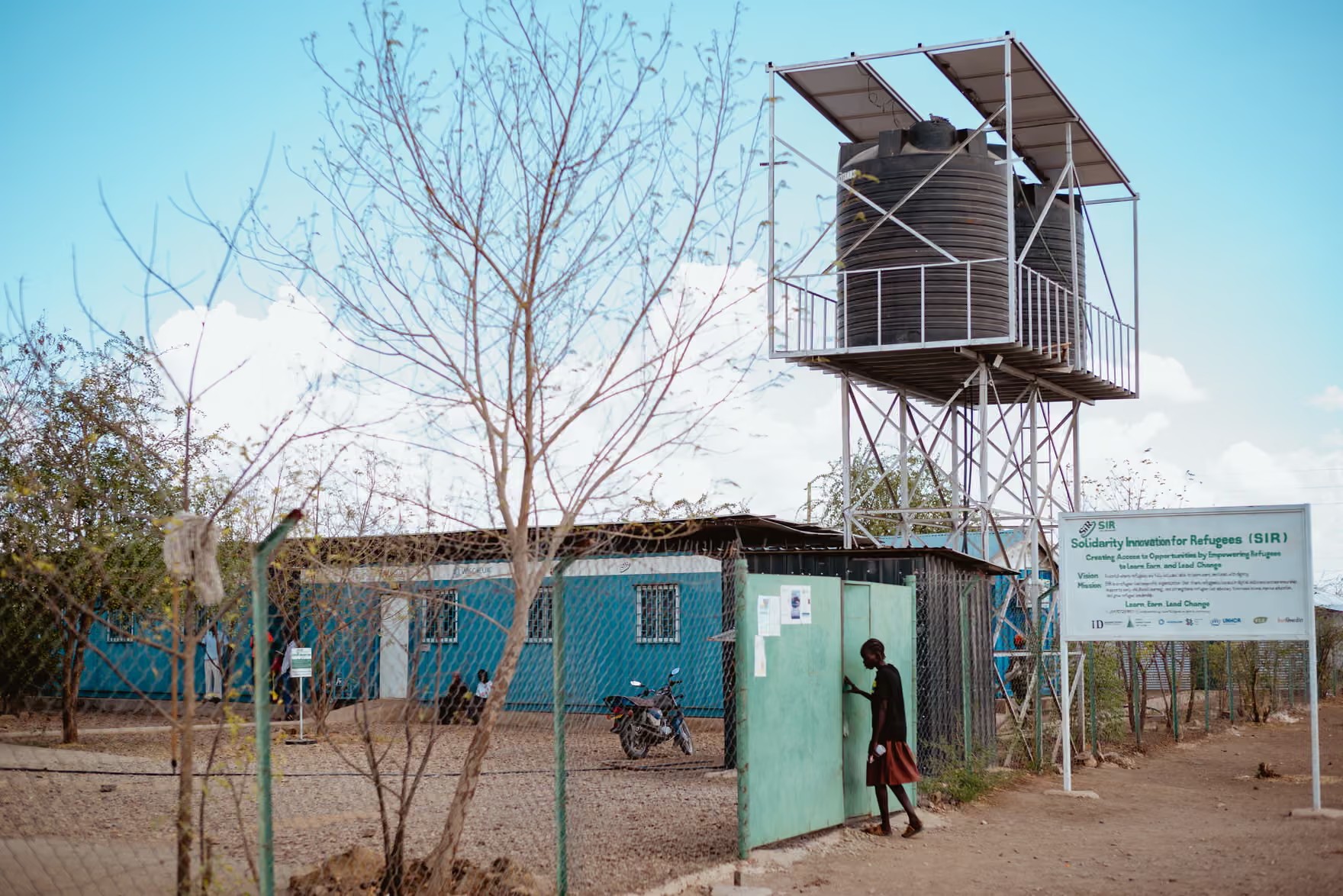
The Solidarity Initiative for Refugees center in the Kakuma refugee camp on 28 September 2026. Photograph: Thabit Radjabu/The Guardian
Source: theguardian.com
Asha Luka Abdalla, a mentor at Solidarity Initiative for Refugees (SIR), said most participants receive far less than the maximum and are not told why. Bahana Gidrogen, who founded SIR’s digital-skills programs in 2016, said the opacity keeps him awake: workers cannot get clear answers from companies.
The entry-level ladder is thinning
Some skilled refugees in Kakuma have found well-paid remote work as developers and programmers, communicating directly with clients. For many others, the available work has meant microtasks such as data labeling for anonymous clients abroad. SIR has trained more than 2,000 refugees and helped more than half find remote technology work, ranging from long-term jobs to short assignments.
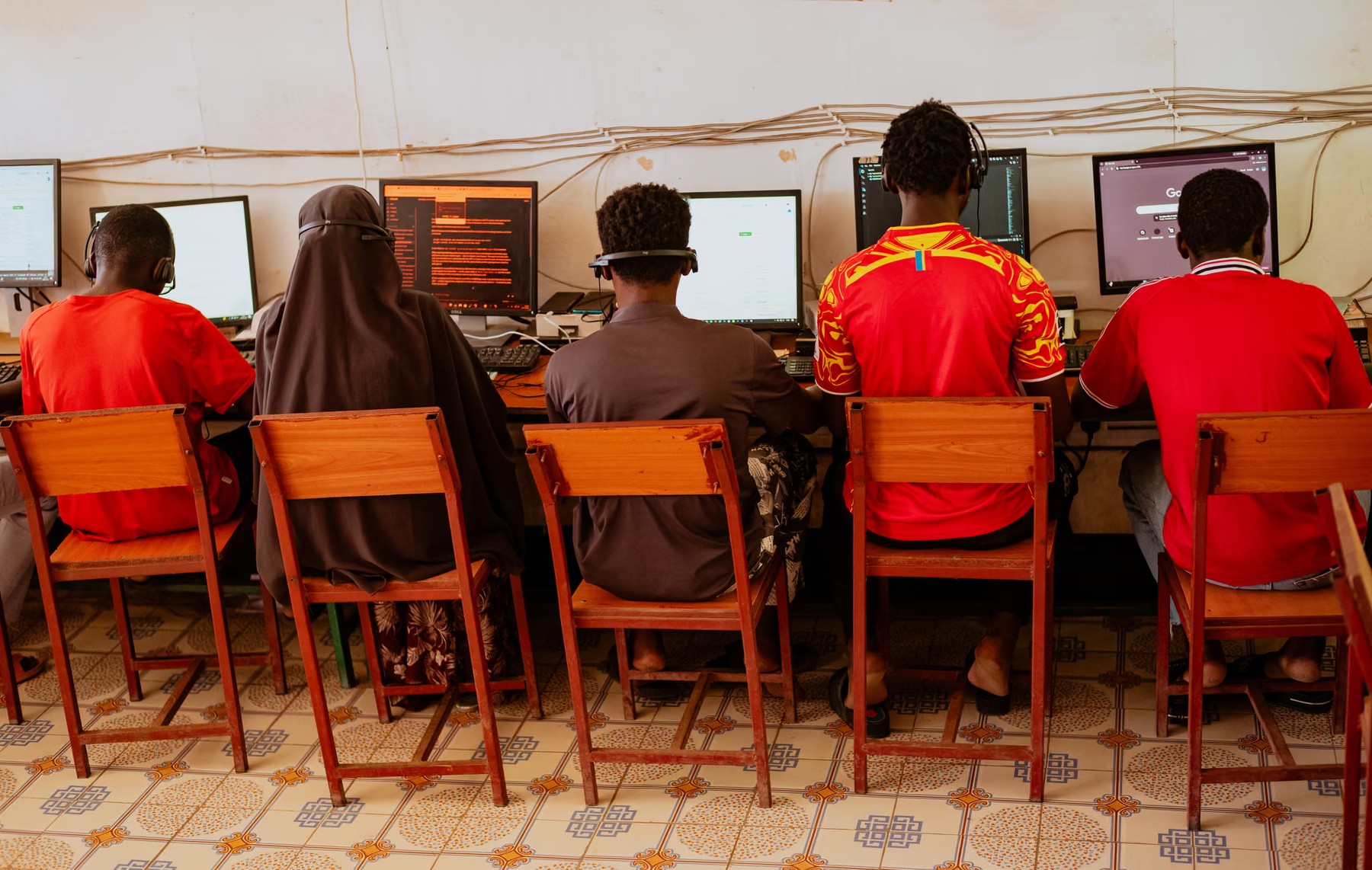
Freelancers explore digital platforms at the SIR center in the Kakuma refugee camp on 28 September 2026. Photograph: Thabit Radjabu/The Guardian
Source: theguardian.com
Those earnings were low, but they mattered in a place where fewer than half of households have an income, and households with income receive less than $50 a month. The work is also getting harder to find. An engineer from South Sudan who found a well-paid job through SIR and the French organization Konexio worries that AI is erasing the jobs that once helped people enter the field. “Senior engineers… aren’t hiring interns and junior staff,” he said.
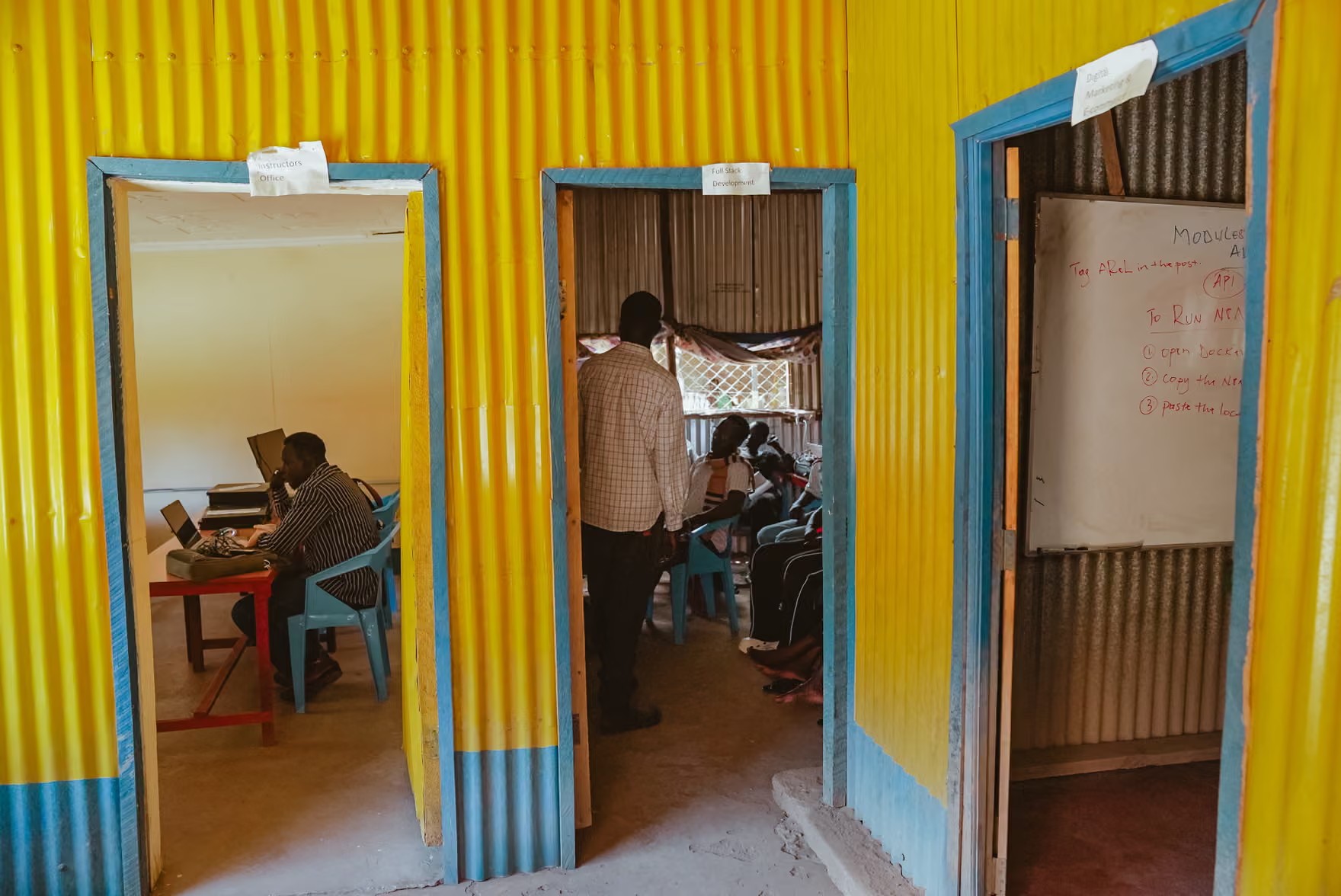
Action for Refugee Life staff at work on 29 September 2026. Photograph: Thabit Radjabu/The Guardian
Source: theguardian.com
The squeeze is not limited to refugees. Joan Kinyua, founder and president of Nairobi-based Data Labelers Association, said entry-level data-labeling pay and conditions had already begun deteriorating by 2018. By 2020, both pay and the volume of tasks had fallen further. Workers had to move faster for less money and stay ready to log on whenever a task appeared. “You can’t afford to step away from the computer,” she said.
Some refugees in Kakuma were asked to mark weapons, severe injuries and pornography in images and videos. Gidrogen said some workers, particularly those who had fled war, developed symptoms of post-traumatic stress disorder after reviewing violent material. Workers also said they often did not know what products their work would support. The Bureau of Investigative Journalism found that Somali speakers in Kakuma had transcribed audio that was likely used by the US military; refugees told the bureau they had not consented to that use.
What replaces the first rung
The reduction in basic tasks is colliding with a labor market that increasingly favors experienced workers. Na’amal, a nonprofit that connects refugees with international employers, has seen clients seek skilled candidates rather than people with basic digital abilities. “When AI became a familiar tool, some of the work started disappearing,” said its founder, Lorraine Charles.
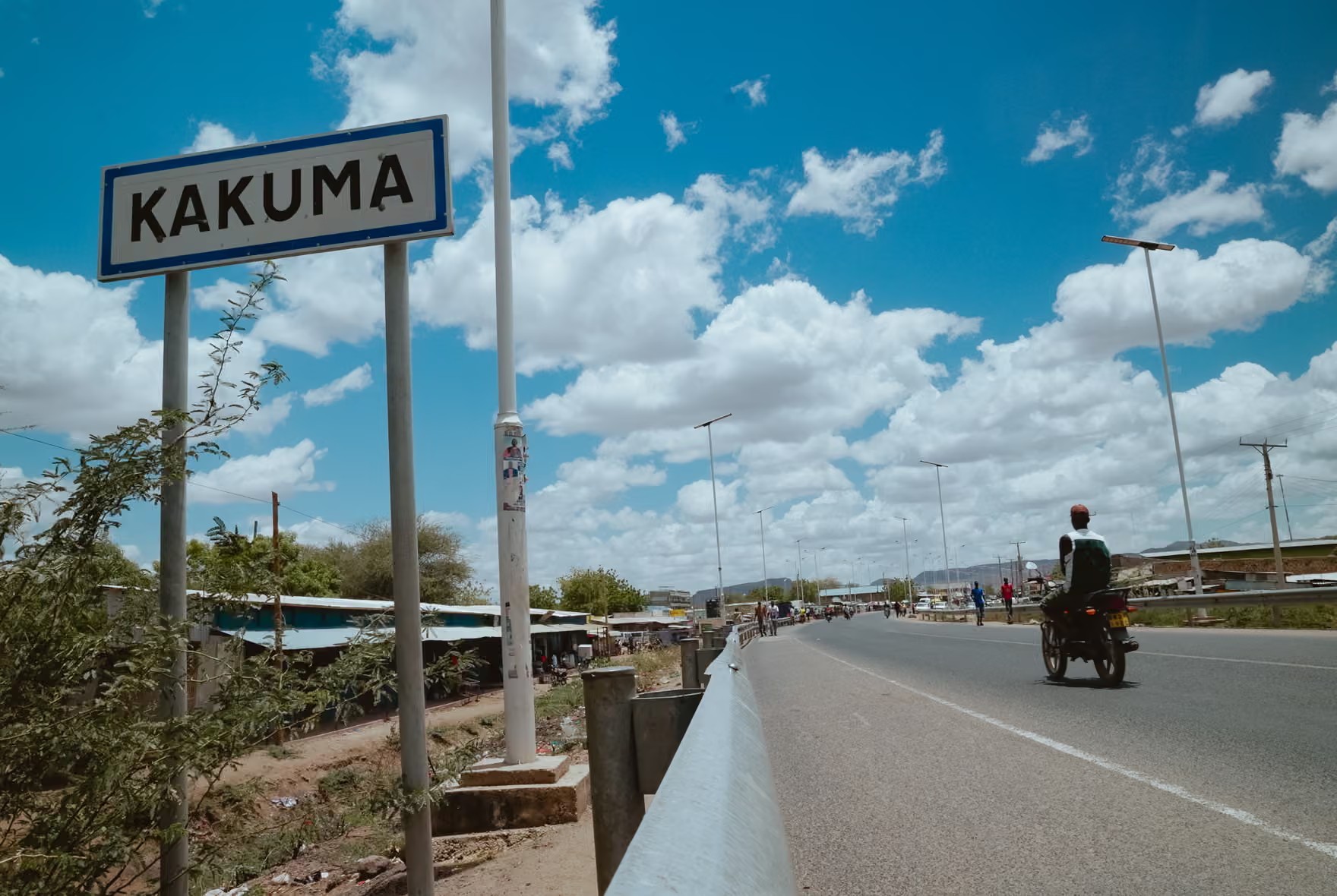
The Kakuma-Lodwar highway, with Kakuma in the background, on 29 September 2026. Photograph: Thabit Radjabu/The Guardian
Source: theguardian.com
The effects show up in individual careers. Refugee Mercy Byamungu, trained in 3D modeling, had regular guaranteed-pay assignments in 2023 and 2024. In one of his last projects, he and 20 other workers competed in teams of five to create a 3D model of a potato. The winning team received 15,000 Kenyan shillings, about $116, split among its five members. Byamungu believes the AI tools he helped train can now make 3D images faster. He has been unable to find remote technology work for two years. “We used to get three to five assignments a month,” he said. “Now you can’t find a single one.”
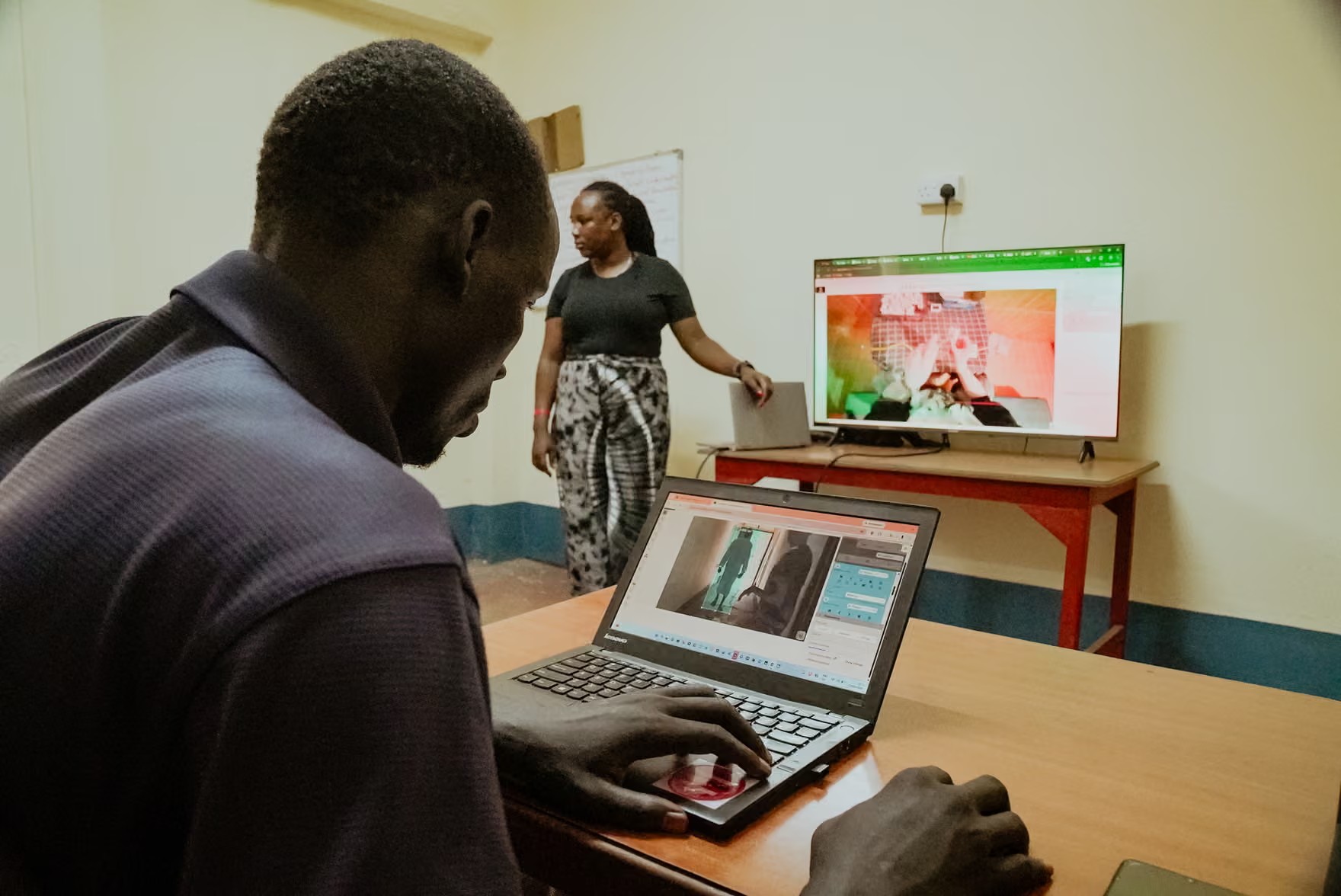
A learner using a laptop to practice image annotation at the Action for Refugee Life center. Photograph: Thabit Radjabu/The Guardian
Source: theguardian.com
Hubert Sang, a Congolese refugee who founded Generation Aid, said AI is putting “virtually 100% of the work we do” at risk. SIR, Generation Aid and Action for Refugee Life are seeking better pay and conditions from companies, but workers told The Guardian they fear asking for more could get them replaced by AI or by someone more desperate for a job.
I think the harder question is not whether refugees can be trained for the next category of digital work. It is whether that work will offer a real entry point, or repeat the same pattern: unstable tasks, hidden clients and pay that falls as soon as more workers compete for fewer assignments.
There may be new tasks in data cleaning and checking AI outputs, said Fabien de Castilla, director of Konexio. But he also warned that interrupted education and work histories make it difficult for many refugees to compete for highly skilled roles. Na’amal is moving away from microtasks and phasing out training in graphic and web design and search engine optimization, shifting instead toward programming, digital marketing and e-commerce—fields it considers less exposed to automation.
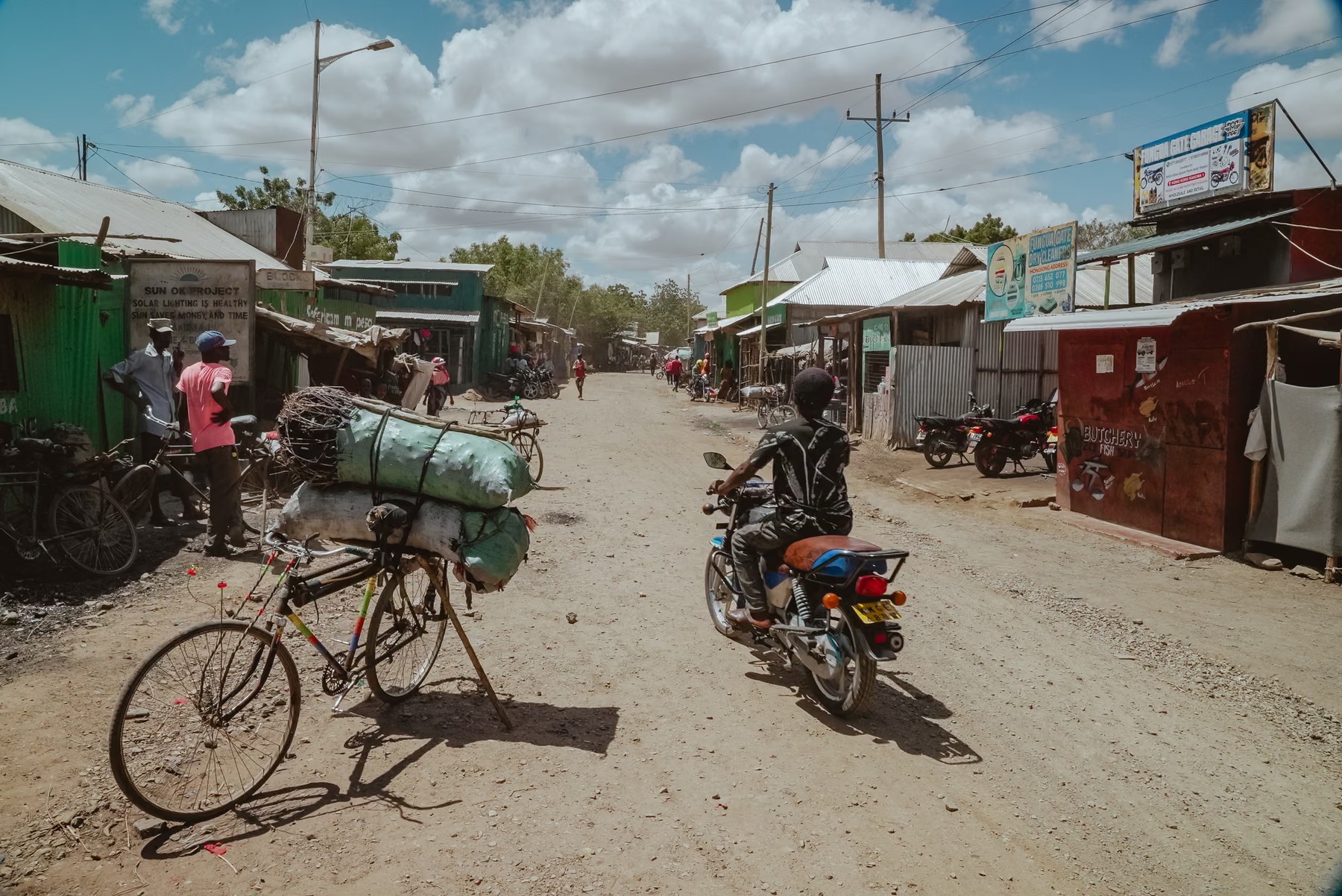
The Kakuma refugee camp on 29 September 2026. Photograph: Thabit Radjabu/The Guardian
Source: theguardian.com
The terms of the work
AI can make a task faster while reducing the number of paid hours attached to it. Sang said assignments that once took several days can now be completed in hours. “If I take three days to do an assignment, [the client] will say, ‘I’ll find someone who can do it in two hours.’ That makes it harder and harder for us to hold our price,” he said.
The power imbalance is familiar to workers and advocates. Gidrogen said microtask clients regularly threaten to move work to the Philippines or India when he tries to negotiate higher pay. “AI is taking some of these jobs… and there are more specialists than assignments,” he said. “They say, ‘Someone else will do it cheaper.’”
International organizations, including the International Trade Centre, are considering how to protect digital workers. Its executive director, Pamela Coke-Hamilton, said the loss of low- and middle-skilled digital jobs calls for a fresh look at collective bargaining. “We are at a turning point,” she told The Guardian. “The speed and impact of AI have taken people by surprise. We need to ask ourselves how collective worker protection should be organized now. Rules are needed to prevent the mass exploitation of people.”
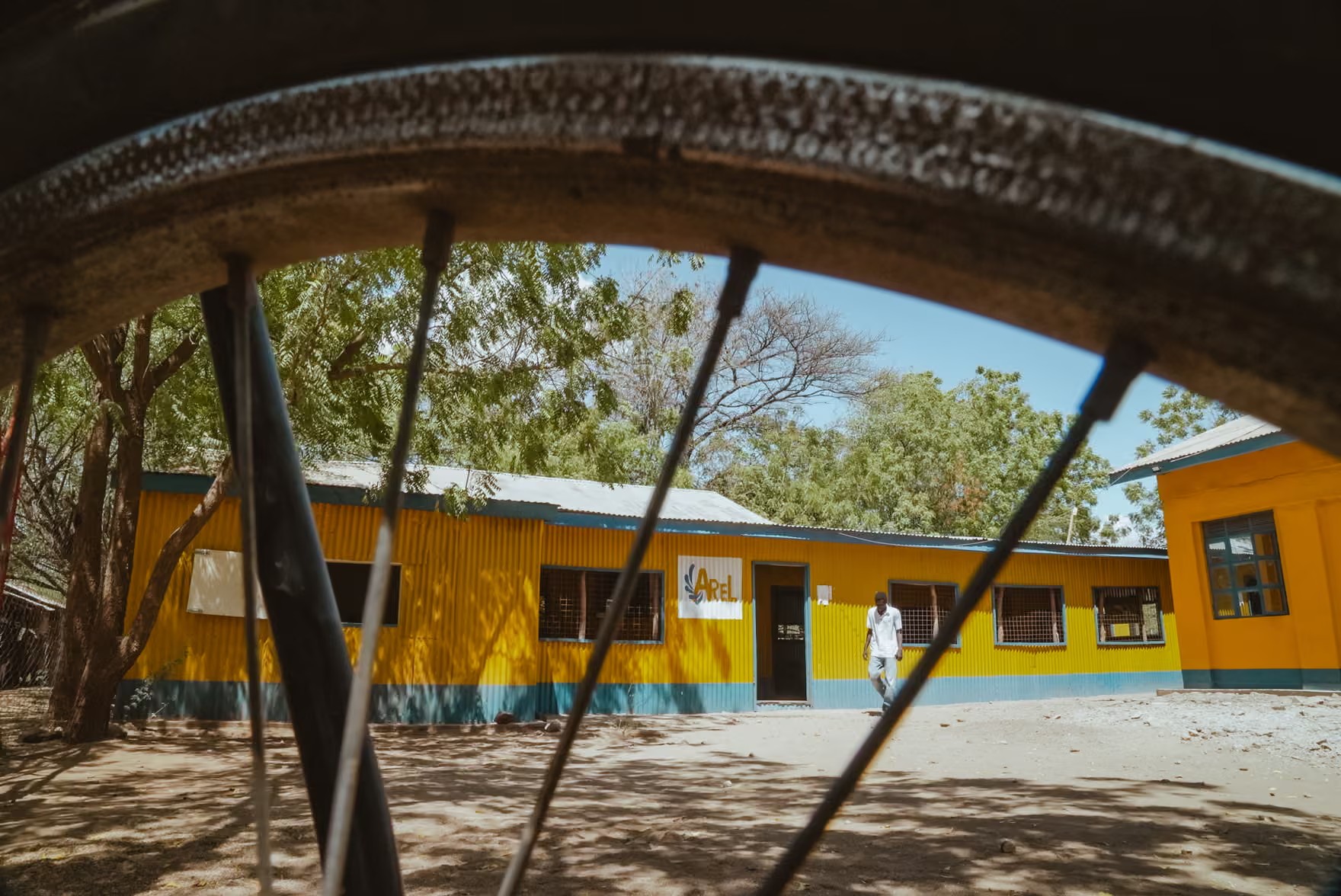
The Action for Refugee Life center in Kakuma. Photograph: Thabit Radjabu/The Guardian
Source: theguardian.com
Mark Graham, a professor of internet geography at the Oxford Internet Institute, said replacing wages with “rewards” leaves workers carrying the risk: they invest their time and skill without assurance of fair pay. He argues that a race to the bottom is not inevitable, pointing to commitments made by companies at the top of the textile supply chain after scandals over sweatshops.
Sang’s proposed first step is more basic: workers should know who they work for. When Generation Aid gets assignments directly from companies, it connects workers with the client rather than placing them in anonymous platform work. Milagros Miceli, principal investigator of the Data Workers’ Inquiry project and research director at the Distributed AI Research Institute, rejects the choice between no work and badly paid work. “Without workers preparing data, tech companies would have no product,” she said. “That means workers should be able to negotiate on equal terms.”
Daily AI news
Every day we pick what actually matters in AI and explain it plainly — no hype, no filler. Subscribe if you want to follow where the industry is going.
Only what matters — every day
Follow on X