

The squeeze reaches beyond rent
At the San Francisco Tenants Union’s housing clinic, Monday calls start at 9 a.m. and continue until closing at 5 p.m. In-person appointments for tenants facing eviction or landlord violations are booked days ahead. Seven staff members review more than 150 voicemails after each weekend; the housing hotline averages 200 calls a week.
“Our clinic is completely full,” says Maria Samudio, the nonprofit’s executive director.
The pressure is landing in a city where about two-thirds of residents rent. Rent control covers more than 160,000 of the city’s 250,000-plus apartments, but tenant advocates say landlords are increasingly finding legal ways to remove long-term residents and reset rents.
The city’s housing commission counted a 44% increase in eviction notices over the past year. In September, Mayor Daniel Lurie declared a “housing emergency,” linking rising prices to the AI boom. His proposals include more money for eviction legal aid, higher payments for tenants forced to leave, and limits on rent increases in recently vacated rent-controlled apartments.
Critics say those steps address the damage, not the underlying problem. AI companies’ high salaries and the payouts investors expect when they go public are adding to demand for housing. In SoMa and Mission Bay, where Anthropic and OpenAI have offices, landlords are trying to capture some of that wealth.
Legal exits, practical pressure
Some owners are using the Ellis Act, which allows them to evict all tenants if they stop renting out a building, then sell the property. Tenant advocates say AI-industry buyers have been willing to offer $1 million above asking price for buildings.

San Francisco apartment rents are soaring as the AI boom brings a new wave of wealth to the city. Photograph: Bloomberg/Getty Images
Source: theguardian.com
The tactics do not always look like an eviction at first. Organizers say some landlords change how rent is paid, then accuse tenants of nonpayment if they keep sending money to the old owner. Others delay pest control, leave broken appliances unrepaired or start noisy renovations that make an apartment difficult to live in.
Samudio’s organization recorded 23% more landlord disputes over repairs in the past year. City supervisor Danny Sauter says tenants have started to worry when a landlord suddenly fixes things that went unrepaired for years.
A building in the Tenderloin changed hands after its former owner defaulted on a loan. Many tenants were not told that rent had to go to a new account; they continued paying the former owner and then received eviction notices for nonpayment.
At 1120 Jackson Street, residents formed a union after a new owner began sending eviction notices to tenants, most of them older Cantonese speakers, claiming their homes were cluttered. The owner cited belongings that, according to tenant advocate Goldberg, reflected four decades of life in the apartments.
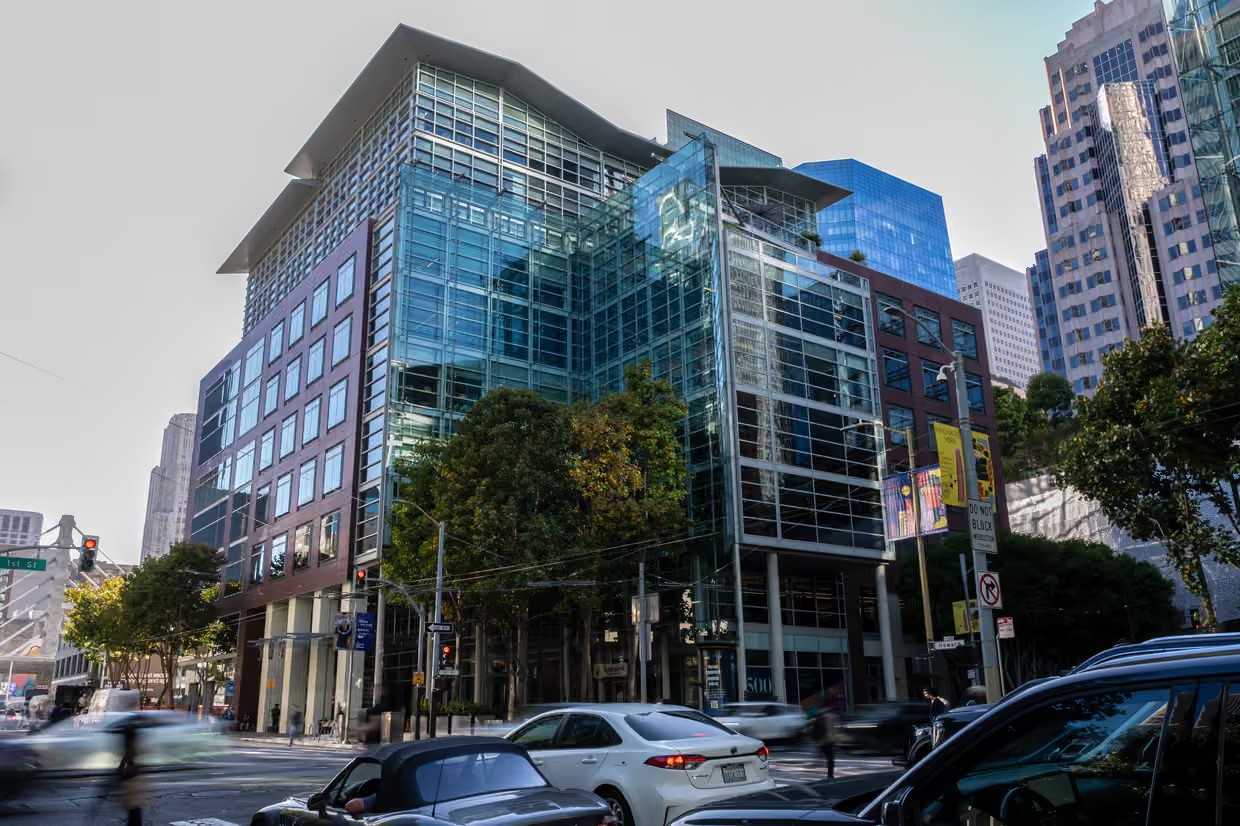
The Anthropic headquarters in San Francisco, California. Photograph: Bloomberg/Getty Images
Source: theguardian.com
Those facing displacement have few affordable alternatives. Frederick Jones, 47, has shared housing in San Francisco for 20 years. After losing his last apartment to a condominium conversion, he moved into the smallest bedroom in a three-bedroom house in the Sunset. Half his factory wages go to rent. He would like to live alone, but says current prices make that impossible.
Others double up more severely: tenant advocates describe four or five people sharing one room and as many as ten immigrant workers in a studio. Some patients, says UCSF Benioff’s Margo Kushel, delay preventive care because missing work could put their housing at risk. Others skip medication because they cannot afford a $10 copay.
The city’s workforce is moving out
Workers who leave San Francisco still have to get to their jobs. Unite Here’s Anand Singh says that when he joined the union 24 years ago, more than half its members lived in or near the city. Now most live elsewhere. Commuting from Tracy, more than 60 miles away, or Modesto, 90 miles away, used to be unusual; now it is common.
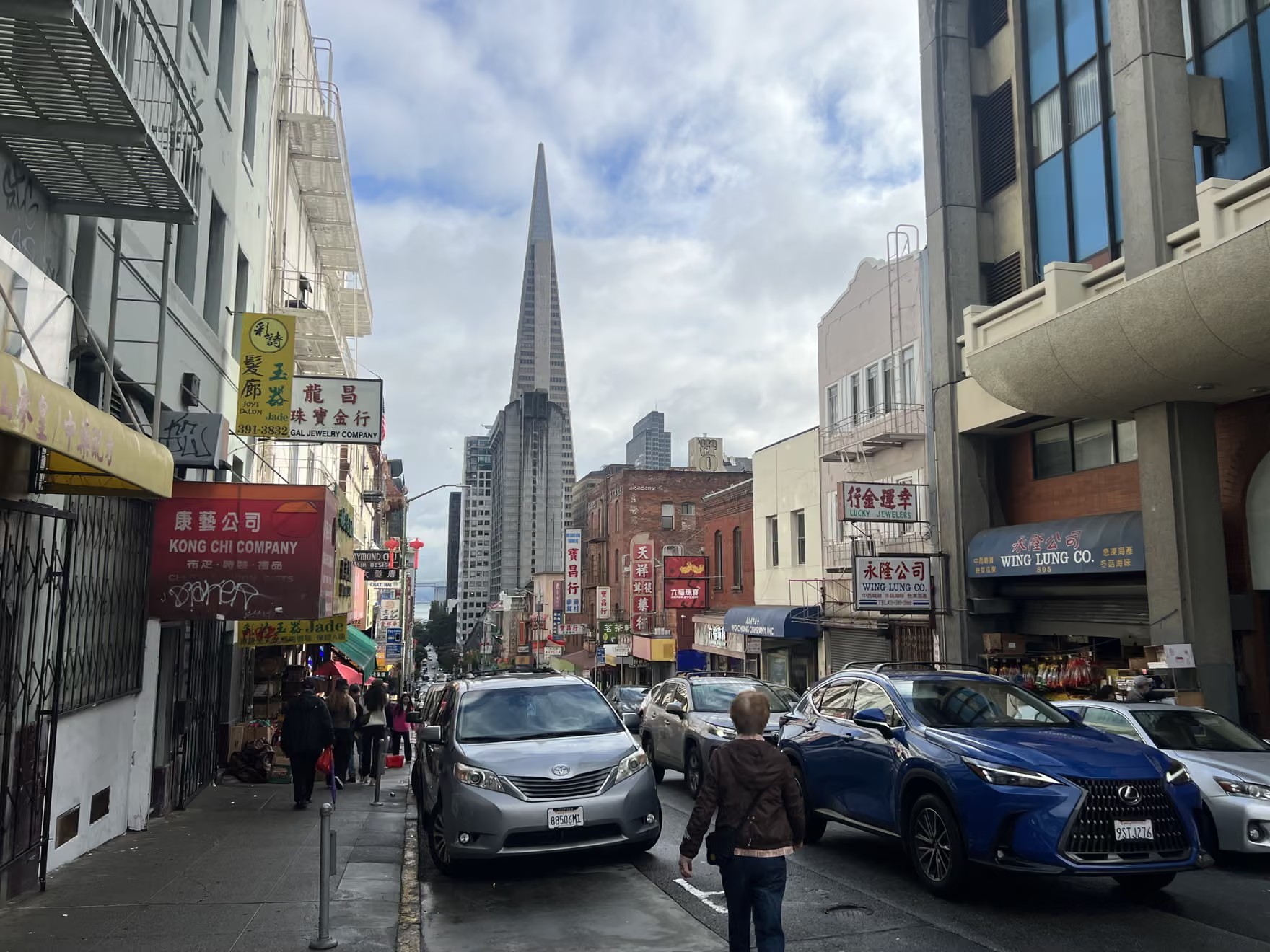
Stockton Street in Chinatown, San Francisco. Photograph: Smith Collection/Gado/Getty Images
Source: theguardian.com
That distance is showing up in staffing. Hotels are short of workers as the industry continues to recover from the pandemic; restaurants struggle to hire cooks and dishwashers, and grocery stores routinely lack staff. Kim Tavaglione, executive director of the San Francisco Labor Council, says that even before the latest rent spike, only 7% of union members—including nurses, teachers, orchestra workers and firefighters—could afford to live in the city.
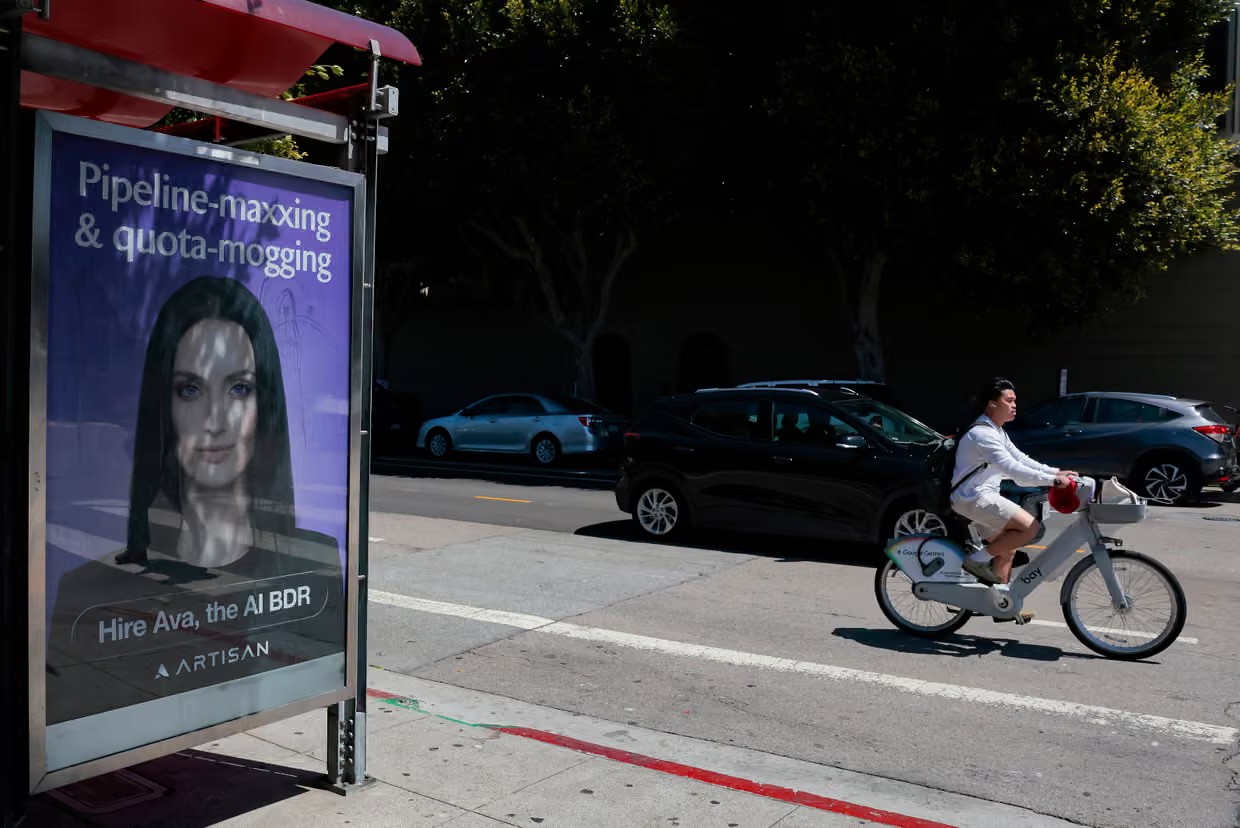
A person bikes past an AI sales agent advertisement in San Francisco, California. Photograph: Heather Diehl/Getty Images
Source: theguardian.com
Tavaglione has heard of janitors living in homeless shelters and health workers commuting from Lake County, sleeping in their cars between shifts and showering at a local YMCA.
The city is also losing diversity. Black residents made up 13% of San Francisco’s population at its 1970 peak; today they account for about 5%. Michael Lens, director of UCLA’s Lewis Center for Regional Policy Studies, says a city needs workers beyond lawyers and tech employees: restaurants need staff, and schools need teachers who can afford to live nearby.
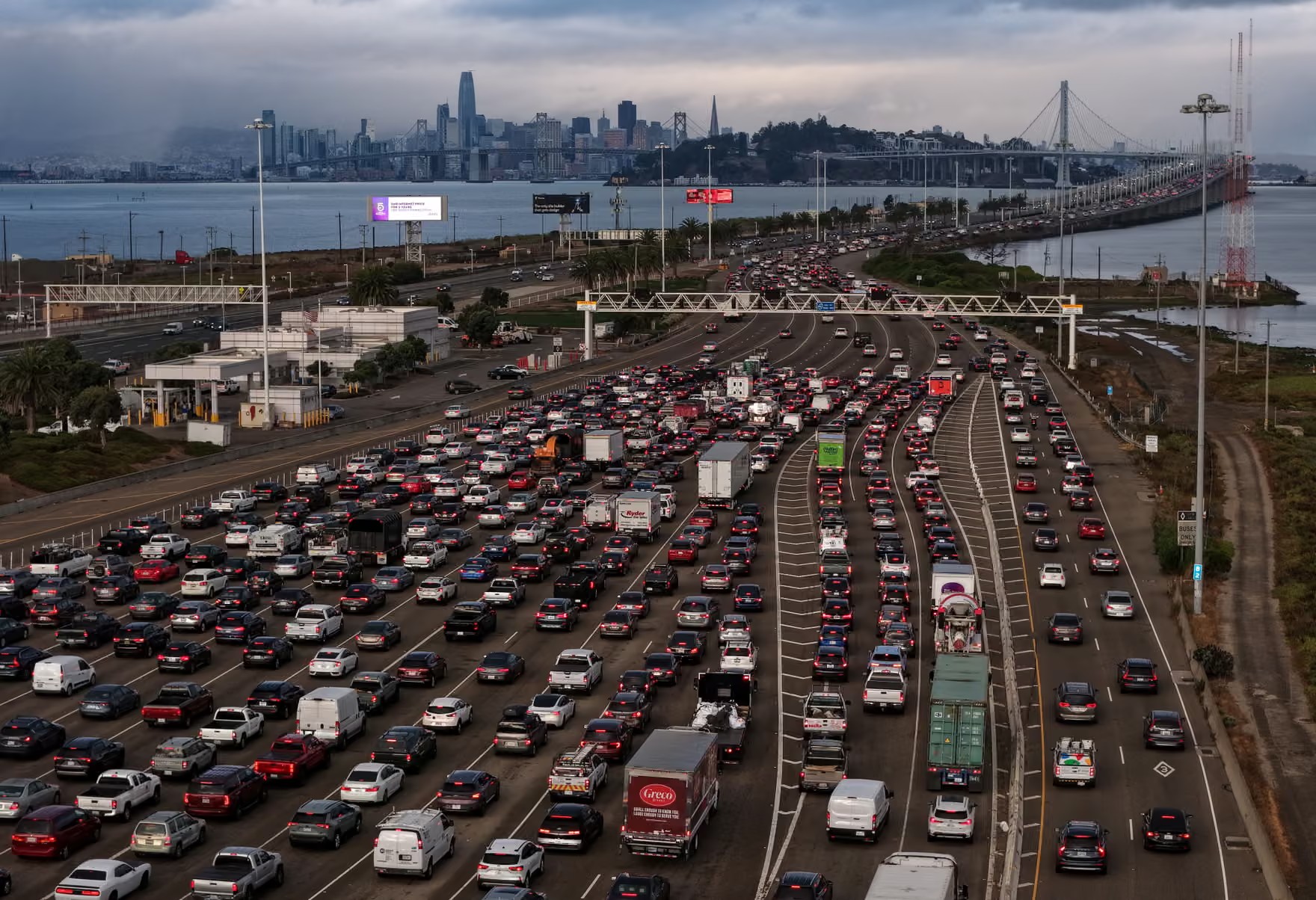
Traffic backs up on the San Francisco - Oakland Bay Bridge. Photograph: Justin Sullivan/Getty Images
Source: theguardian.com
I think the most revealing number is not the rent increase but how few union members could afford the city even before it. The AI boom is intensifying an affordability problem that was already keeping the people who run San Francisco at a distance. What I’d want to know is whether the proposed protections can slow displacement while the city adds housing—or whether the people who build its wealth will keep pricing out the people it depends on.
Housing advocates disagree on how to add affordable apartments. Some argue that building more housing will increase competition and bring market rents down; others want the city to commit to more below-market homes insulated from rent swings and abusive landlords. Both sides agree the current system is failing.
For tenants without company stock, Matthew Lewis of California Yimby calls the market a lottery most people lose. Shanti Singh, a tenant advocate who has lived in a rent-controlled Nob Hill apartment for ten years and never missed a payment, still fears eviction. If she loses her home, she says, she cannot afford a comparable one.
“If you’re not very wealthy, everyone lives in anxiety.”
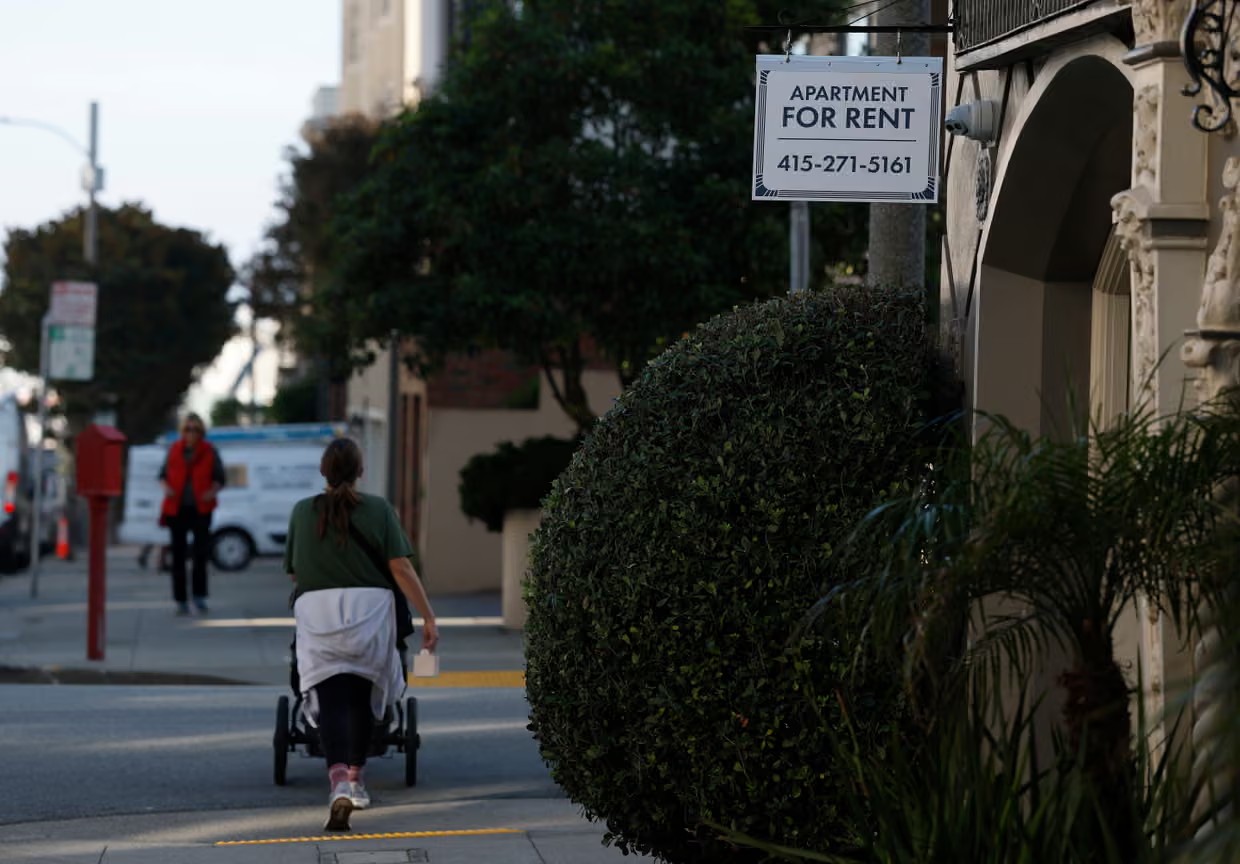
An apartment for rent sign hangs outside a building in San Francisco, California. Photograph: Justin Sullivan/Getty Images
Source: theguardian.com
Daily AI news
Every day we pick what actually matters in AI and explain it plainly — no hype, no filler. Subscribe if you want to follow where the industry is going.
Only what matters — every day
Follow on X