
The image the implant can produce
Stargardt disease damages the retina’s outer layer while the inner retina, which carries visual signals to the brain, may remain intact. The resulting blind spot grows over time. About 150,000 people worldwide have lost their sight because of the disease, which is currently considered incurable.
PRIMA is a two-by-two-millimeter chip placed at the back of the eye, where photoreceptors have degenerated. The procedure takes about an hour. The patient then wears camera-equipped glasses that send images of the surrounding world to the implant, which acts as an artificial photoreceptor.
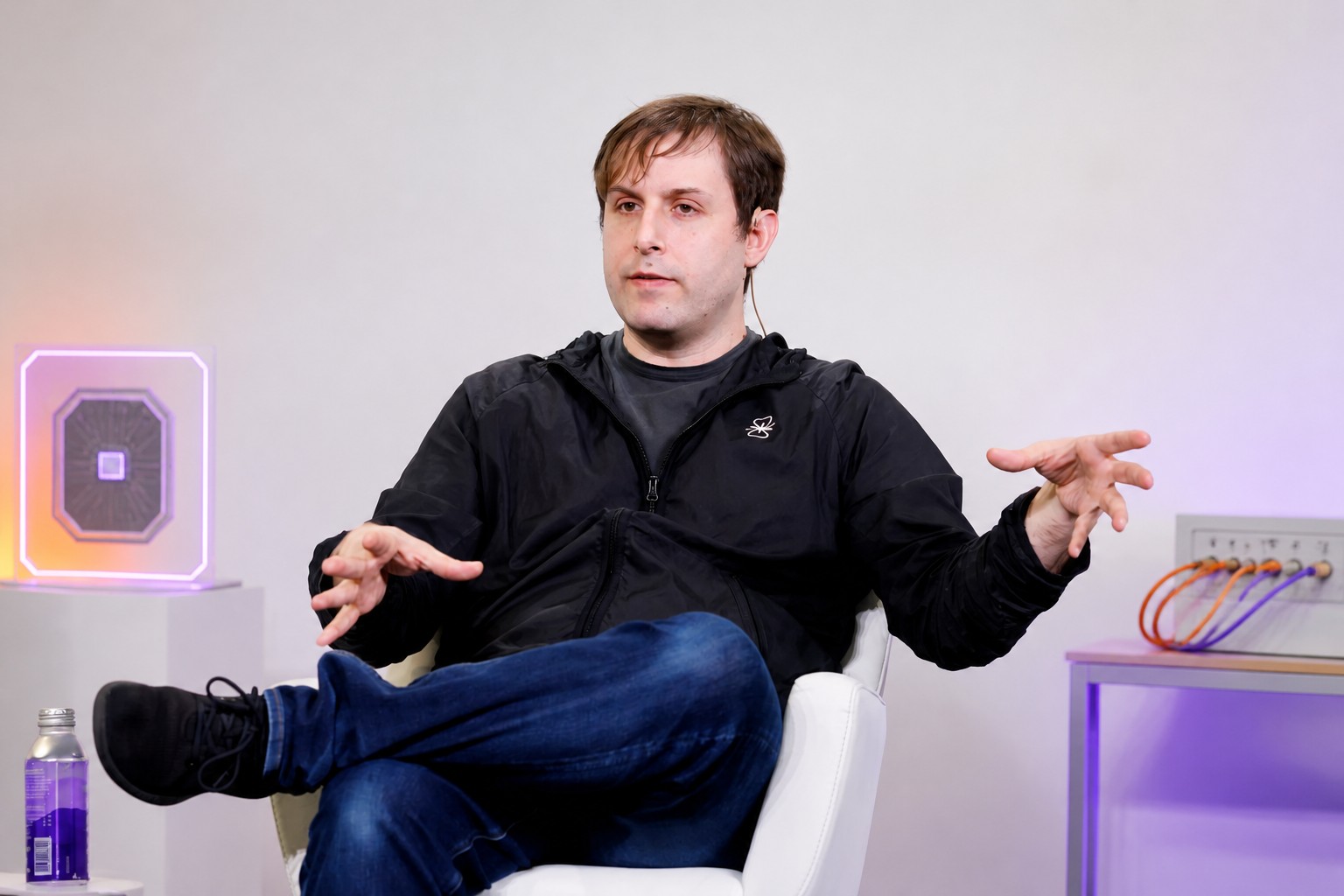
Science Corporation founder Max Hodak describes the current view as looking through a straw: the image is sharp and high-contrast, but the field of view is narrow and the patient cannot see color. They can make out several letters at a time. The next engineering challenge is to widen that field by enlarging the implant to fit the curve of the eye and shrinking its electrodes to bring detail closer to natural vision.
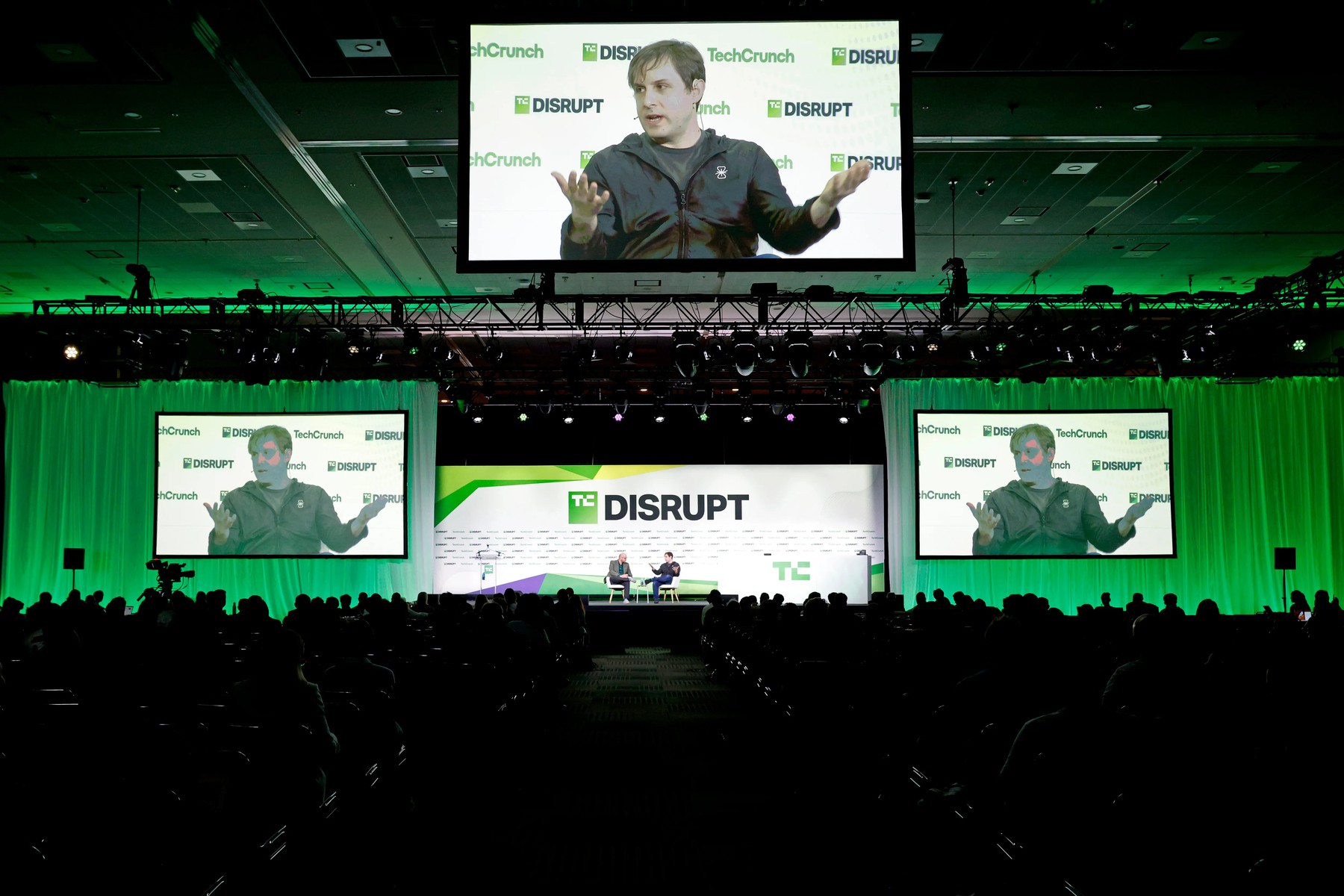
At the first rehabilitation session, the patient saw a letter; at the second, they read a word. The company is developing a next-generation device and plans to test it in people within a year. Over the next five years, it aims to bring visual acuity closer to the natural kind.
A clinical foothold for a broader ambition
Hodak founded Science Corporation in 2021 after leaving Neuralink. The company said it would work on neuroengineering and brain-computer interfaces, but is now concentrating on restoring sight as it tries to prove its approach and build a sustainable business.
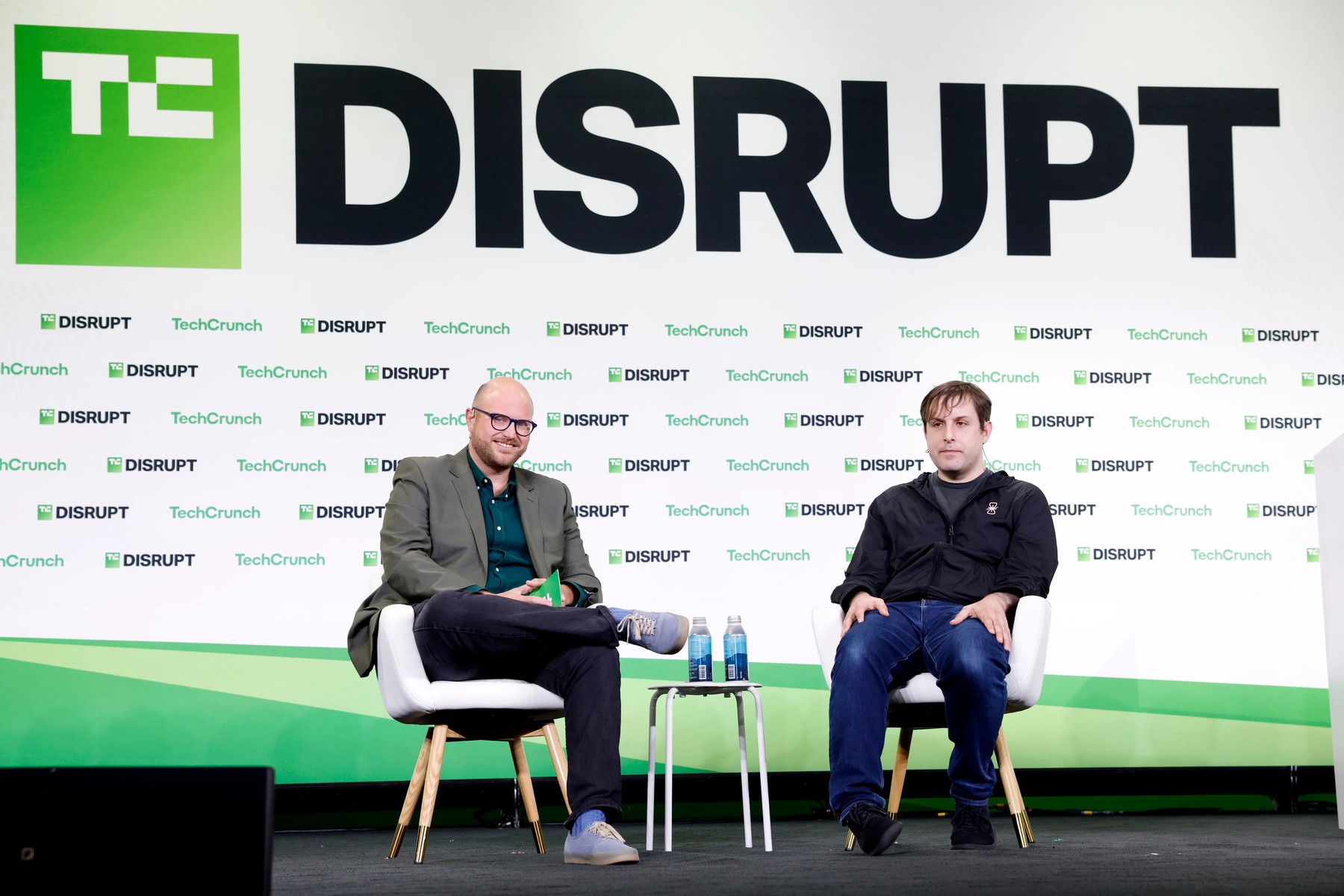
The contrast with Neuralink is partly about where the hardware goes. Neuralink’s device is inserted directly into brain tissue; Science Corporation plans to place its sensor inside the skull, on the brain’s surface. Hodak said the company sees possible applications beyond vision, including monitoring brain activity in patients with tumors. Its first clinical program beyond the announced work has not been disclosed, though he said it concerns a neurodegenerative disease familiar to many people.
The company is also studying stroke. Hodak said that, if a stroke kills part of the brain, connections to two areas of deep brain structures could potentially allow new regions of cortex to be added. Ordinary electrodes cannot do that. The longer-term ambition is more expansive still: understanding how the brain creates consciousness and learning to build artificial brains.
The gap between a readable letter and useful sight
The first result is encouraging, but it is also a narrow one: recognizing a letter and reading a word are early rehabilitation milestones, not evidence that the implant can restore functional everyday vision. I think the key question is how quickly the field of view can grow without sacrificing the sharp, high-contrast image Hodak describes.
That question matters because the company’s timeline reaches well beyond this trial. Science Corporation says it knows how to move forward, expects to test the next generation in people within a year, and hopes to approach natural acuity within five years. Those are company goals, not demonstrated outcomes. The implant’s next test is whether a small patch of artificial vision can become something patients can use across more of the world around them.
Daily AI news
Every day we pick what actually matters in AI and explain it plainly — no hype, no filler. Subscribe if you want to follow where the industry is going.
Only what matters — every day
Follow on X