
Copyright dispute
The Australian government is considering a package of AI measures. Alongside copyright, it covers data centres, online safety, energy resources and economic benefits.
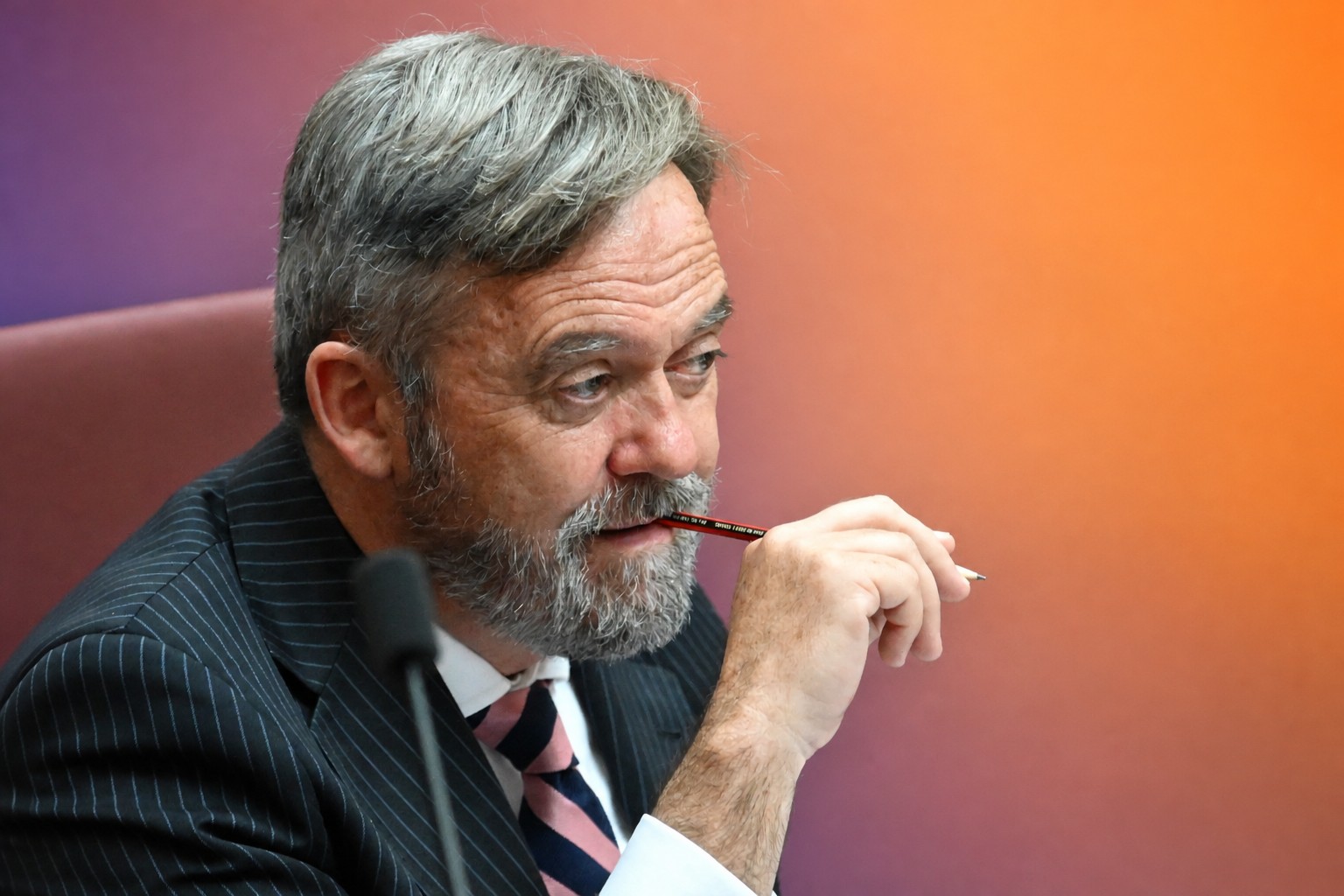
McLachlan backed concerns that weakening copyright law could amount to an unlawful acquisition of property. He said works created by artists should not be sacrificed for the profits of global corporations, and creators’ property rights must be respected and protected. The senator also said it was hard to imagine a country putting machines ahead of human creativity.
Prime Minister Anthony Albanese previously said that failing to pay creative workers would be theft. Some AI companies refuse to reach agreements under current laws, arguing that doing so is too difficult. At the same time, they say they need clarity on copyright to invest in Australia.
Anthropic proposed an opt-out model: the company could collect music, books and journalistic publications from the internet unless a rights holder objected. Representatives of the recording industry oppose changes that would weaken current laws.
McLachlan described artists’ work as what nourishes the country’s soul and called for putting art ahead of the demands of big tech companies. He invoked the principle of fair pay for work and added that any compromises in the age of social platforms, data centres and AI must be explained openly.
Constitutional disputes and compensation
Labor and the Coalition broadly hold similar positions on AI. Senator David Pocock criticized what he called a major-party conspiracy over technology regulation.
This week, Shadow Home Affairs Minister Jonno Duniam and Shadow Minister for Cyber Security Aaron Violi said AI was too important to turn into an excessively partisan dispute. They pledged to work constructively on a long-term approach that different parties could support.
At the same time, Coalition representatives Ross Cadell and Michaela Cash backed concerns raised by Aria: if the government allows companies to collect copyrighted material from the internet, that could be considered an acquisition of property. The constitutional requirement to compensate people fairly when the state acquires their property has become one of the central questions in the debate.
McLachlan believes compensation should be determined separately for each creator: a single scheme for the whole industry could prove unfair. He called property rights a foundation of a healthy democracy and a strong economy, and said the state should not forcibly acquire or transfer someone else’s property without extremely strong grounds and fair compensation.
The cost of data centres
Labor and the Coalition support attracting AI investment and building data centres in Australia. The opposition has warned the government against making rushed concessions that could undermine the rights of Australian rights holders.
The expansion of the data-centre network is expected to increase emissions and household electricity bills. This has drawn criticism from environmental groups and some local communities.
McLachlan, who has spoken on conservation issues, said data centres should not be built at the expense of biodiversity. He called for ways to develop Australia’s own AI capabilities sustainably and added that he prefers real forests to virtual ones.
Earlier this week, the Labor Party announced a new body to oversee AI safety and six key obligations for companies, following the use of OpenAI to hack government websites. The government expects to present its AI package by the end of the year.
Dataist's take: Australia’s debate is about two conditions for AI development: companies’ access to copyrighted material and the consequences for energy and nature. Until the government presents the full package, questions remain about how it will protect individual creators’ rights and account for the costs of data centres.
Daily AI news
Every day we pick what actually matters in AI and explain it plainly — no hype, no filler. Subscribe if you want to follow where the industry is going.
Only what matters — every day
Follow on X