
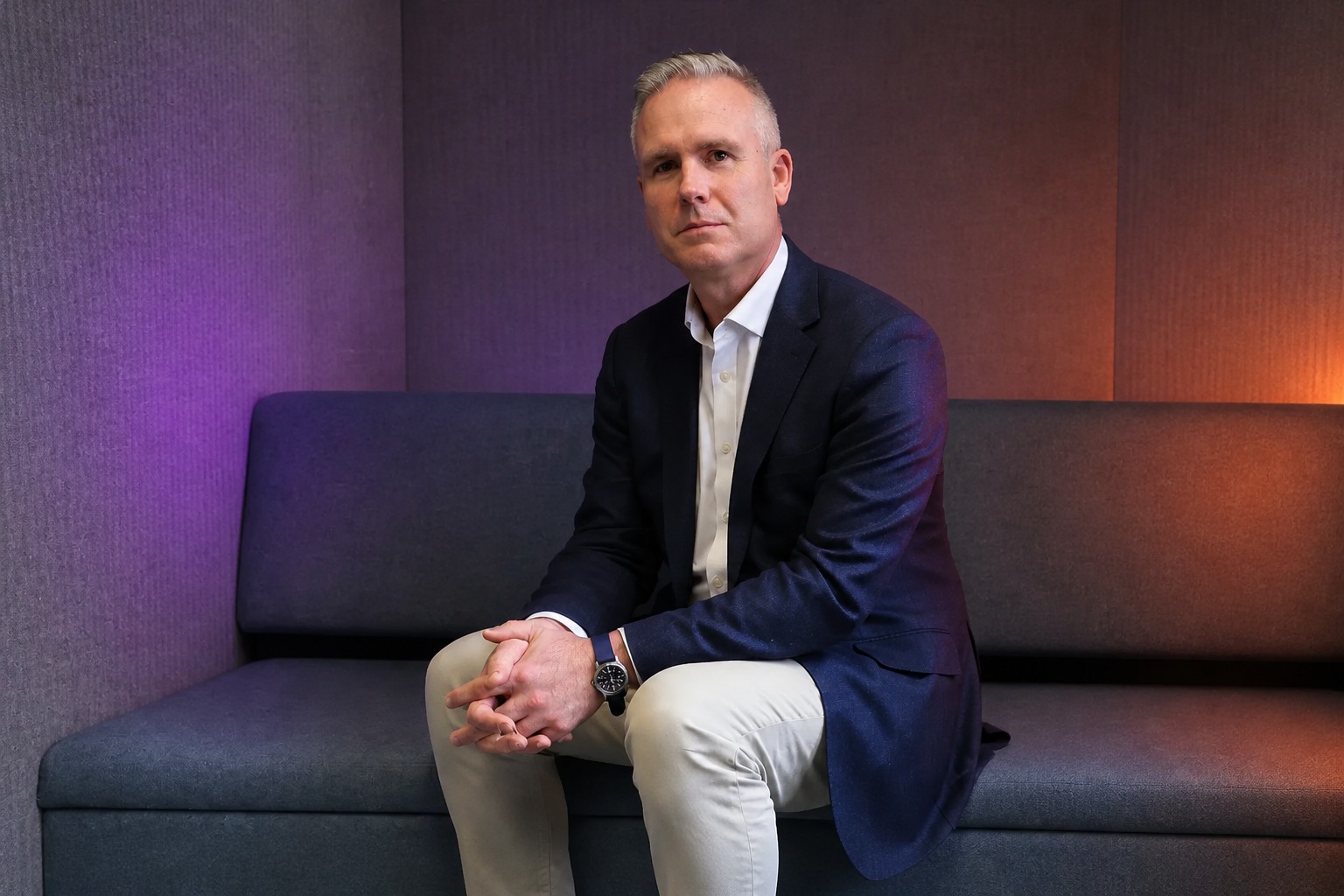
Access is the strategic risk
Williamson pointed to recent limits on access to US AI. In June, Washington temporarily barred the latest Anthropic models from being released outside the United States. Media reports also said US officials asked leading AI labs not to submit models to the UK AI Safety Institute for testing until a US counterpart had studied them.
“We have already seen that political and commercial pressure can deprive us of access to AI precisely when we need it. No country wants to be in that position,” Williamson said. In some circumstances, he argued, Britain would need technology it could use without another country’s permission.
The concern is sharpened by the growing role of AI in critical systems and by geopolitical instability. Last month, UK Prime Minister Andy Burnham announced a national centre to counter state-backed disinformation. Anthropic said the probability that AI would destroy humanity by 2030 was above 10%.
Williamson said the Turing Institute could help make the country more resilient by working on three areas:
He also sees a role for the institute in identifying disinformation and supporting practical uses of AI, from weather forecasting to agriculture. State-organised disinformation campaigns, he said, are a serious threat to democracy.
Williamson previously led the UK Government Communications Headquarters, a secretive agency that develops devices for British intelligence services. Alan Turing, the wartime cryptographer and AI pioneer after whom the institute is named, was among its former employees.
A different kind of AI ambition
Williamson said Britain is unlikely to match the financial resources of the largest AI labs. The case for building at home, in his view, is not to reproduce their work but to create domestically owned intellectual property and smaller models that startups can access.
He also cited China, warning that Chinese AI systems may not reflect British values. Ask some models about recent events in China, he said, and their answers may be of little use to a student preparing for a GCSE history exam.
The broader push for greater autonomy is not limited to Britain. European Central Bank President Christine Lagarde and European Commission President Ursula von der Leyen have recently called for Europe to become more independent in AI. Lagarde warned that Europe could lose access to American and Chinese technologies.
My read is that Williamson is making a more focused argument than “Britain should build its own frontier model.” He is describing resilience as a mix of access, useful domestic technology and the ability to shape how AI is used. What remains unclear is which capabilities the institute will actually build, and how it will decide what counts as enough independence.
Resilience includes climate
Williamson also wants the institute to remain involved in environmental work, despite an earlier government push to prioritise defence and security. In 2025, then technology minister Peter Kyle asked the institute’s chair to focus its work on those areas. Williamson’s predecessor, Jean Innes, left soon after.
“For me, climate is as much a national security issue as defence. National resilience is an approach that lets us take account of the full range of threats and opportunities for the UK,” Williamson said.
That framing gives the institute room to connect climate, security and AI under one remit. But it also leaves a difficult boundary to draw: a national institute can help government and the public assess AI risks, Williamson argues, while he questions whether claims about existential risk—especially estimates expressed as percentages—are backed by convincing science.
Daily AI news
Every day we pick what actually matters in AI and explain it plainly — no hype, no filler. Subscribe if you want to follow where the industry is going.
Only what matters — every day
Follow on X