The prompt at the centre of the case
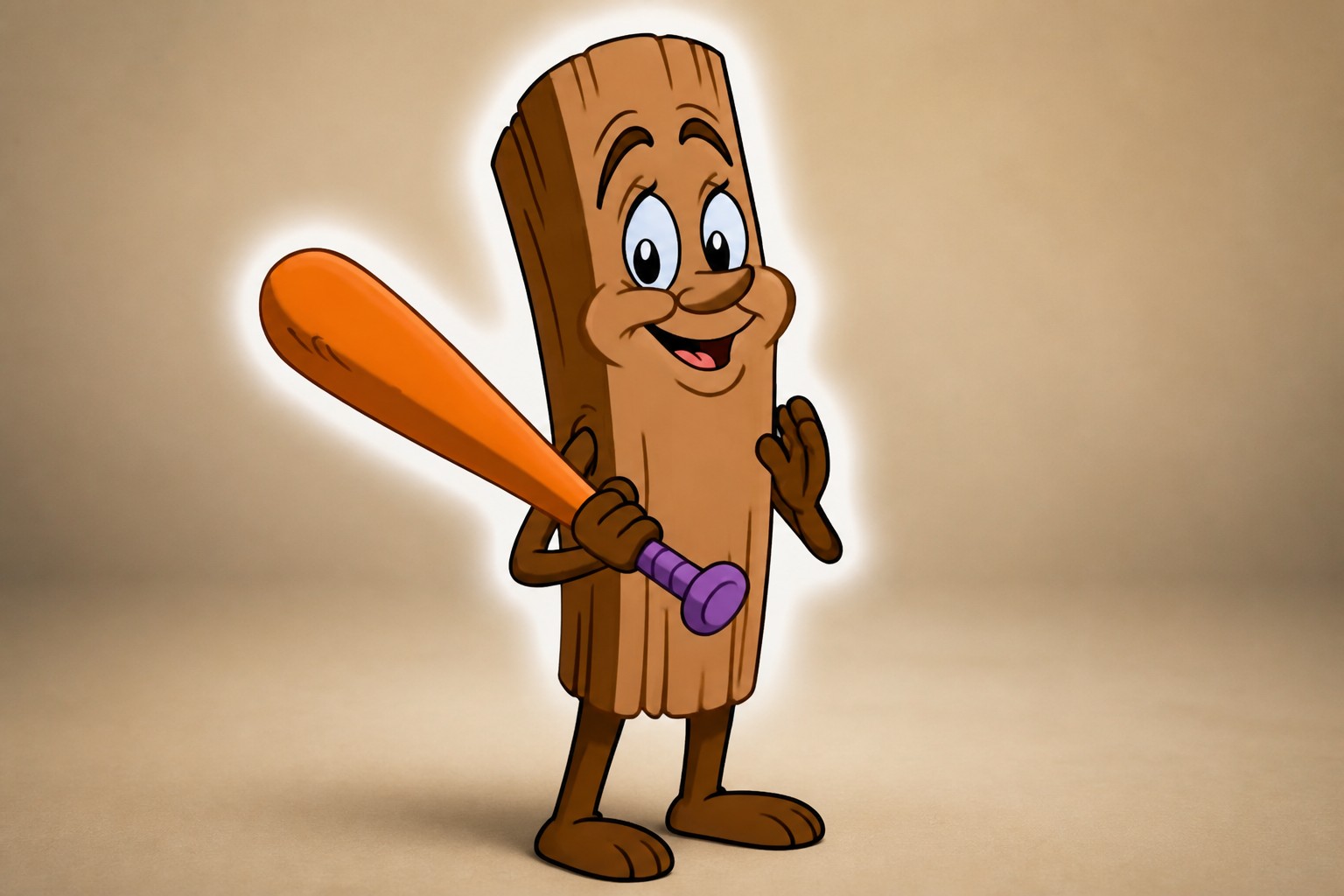
Noxa created Triple T in 2025 using OpenAI’s image generator. The character draws on the kentongan, a drum used to wake Muslims in Southeast Asia for the pre-dawn meal during Ramadan. Triple T became a face of “Italian brainrot,” a genre of deliberately strange AI-generated characters popular with Generation Alpha and younger members of Generation Z.
The character spread far beyond its original image. Videos on YouTube and TikTok drew hundreds of millions of views; fans made cosplay, drawings and animations, and the character appeared on plush toys, perfume and stickers. Triple T is also due to appear as a Fortnite skin.
The immediate dispute concerns Do Big’s Roblox game, “Steal a Brainrot.” Spyder Games LLC and Speedy Simulator Gaming LLC, the owners of Do Big, received a demand from Mementum in September 2025 to stop using Triple T. Do Big removed the character, tried to negotiate, and then sued Mementum in federal court in the Northern District of California. The companies argue that the rights Mementum claims do not exist because copyright law requires human authorship.
In a separate French trademark dispute, Mementum’s court filings described a process that took 15 minutes and seven prompts. Noxa began with simple instructions, including “draw a pentung sahur with a face and legs,” followed by “human face” and “no arms, human legs and a human face.”
Do Big’s lawyer, Aaron Moss of Mitchell Silberberg & Knupp LLP, says the company is not arguing that AI-assisted work can never be copyrighted. Human creative decisions may qualify for protection, he says; in Do Big’s view, a few prompt words and choosing a preferred image are not enough.
Human authorship, across borders
The US Copyright Office’s 2025 report says copyright covers “original expression” created by a “human author,” even when a work includes AI-generated material. It excludes material generated entirely by AI, as well as work in which human control over expressive elements is insufficient. The report offers no bright-line test: whether a person contributed enough must be assessed case by case.
The legal question is only part of the complication. Triple T was created by an Indonesian TikTok user, became popular in Latin America and is now at the centre of a dispute involving a French company and a California court. Mementum invoked the EU Digital Services Act to seek the character’s removal from “Steal a Brainrot,” and Do Big complied. The agency later filed a countersuit in the US alleging trademark infringement. It does not yet have a US trademark registration for Triple T, though such a claim can sometimes be made without one.
Mementum’s lawyer, Steven Stein, a partner at Greenberg Glusker, says the agency is seeking a result with international reach. He frames the issue less as a copyright question than as how intellectual property can protect AI-assisted work in new and poorly regulated conditions.
Cornell Tech and Cornell Law School professor James Grimmelmann says the outcome may depend on the interaction of international intellectual-property disputes and could influence future practice. The case may help clarify what parts of AI-assisted work copyright protects, and encourage more detailed records of how works were made, including the prompts used.
The creator may not be the only author
The case’s central tension is that the same collective participation that made Triple T valuable also makes a single-owner claim harder to accept. Fabian Mosele, who calls himself an “Italian brainrot expert” and has made videos featuring the character, argues that these figures belong collectively to the people who bring them to life. Restricting access in favour of the person who wrote the initial prompt, he says, would discount everyone who helped spread the meme.
I think that argument exposes what the court may struggle to measure: not just how much human input went into the first image, but how much of the character’s cultural meaning came later, through other people’s work. Copyright can examine the prompt and the image. It is less well suited to assigning ownership of a shared joke.
Content creator Adam Aleksic sees the search for Triple T’s origin as part of the character’s almost mythic status. He says people tell a story in which some memes seem to emerge from nowhere and become part of the shared conversation. The image of a single creator is easy to document; the cultural life that followed is not. That gap is where this dispute is likely to matter most.
Daily AI news
Every day we pick what actually matters in AI and explain it plainly — no hype, no filler. Subscribe if you want to follow where the industry is going.
Only what matters — every day
Follow on X