


Source: theguardian.com
The format Unit1 is building
Ragg founded Unit1 last year after spending five years, from the end of 2011, running Lord Lloyd-Webber’s entertainment group, whose productions included Cats and Evita.
Balderton Capital joined the $20 million round through partner Daniel Waterhouse, who was previously an early investor in Spotify. Existing backers also participated, including venture firm Mercuri and Irish music manager Paul McGuinness, who managed U2 from the late 1970s to 2013.
Unit1’s process combines:
The company tested the approach with Scottish singer-songwriter KT Tunstall, whom Ragg had previously worked with at EMI. In a London studio, motion-capture cameras recorded Tunstall recreating a performance from 20 years earlier on Later… with Jools Holland. Unit1 then altered the avatar to match her current appearance.
The planned shows would place real musicians on stage alongside digital performers. Audiences would see the avatars on a high-definition screen, with lighting, sound and set design intended to make the digital image and the physical venue feel like one space. Ragg described the intended effect as moving the audience to another time and place.

Unit1 hopes to stage shows with real musicians playing alongside digital avatars of musicians such as KT Tunstall. Photograph: Unit1
Source: theguardian.com
A portable alternative to Abba Voyage
The music industry has been testing digital performers for years. Tupac Shakur’s hologram appeared with Snoop Dogg and Dr. Dre at Coachella in 2012. The idea reached a much larger audience with Abba Voyage, which opened in 2022 in a purpose-built venue in east London.
Unit1 is positioning itself as a more accessible version of that model. Artists, venues, rights holders and promoters would be able to stage digital concerts without building a dedicated hall.
The distinction matters more than the avatar itself. Abba Voyage is a fixed destination; Unit1 is proposing a touring production that could theoretically be sent to several countries at the same time. That makes distribution, licensing and production logistics as important as the visual technology.
The rights problem is the real product
Unit1 says it will spend the new funding on research and development, intellectual-property rights and licensing agreements with artists and their heirs. The company also says it usually works with relatives and estates on projects based on well-documented, widely known concerts or recordings.
That approach does not remove the central dispute. Some fans object to digitally bringing dead musicians back to the stage. Earlier this year, a plan to create a full-size AI avatar of Black Sabbath frontman Ozzy Osbourne was criticised as disrespectful and in poor taste.
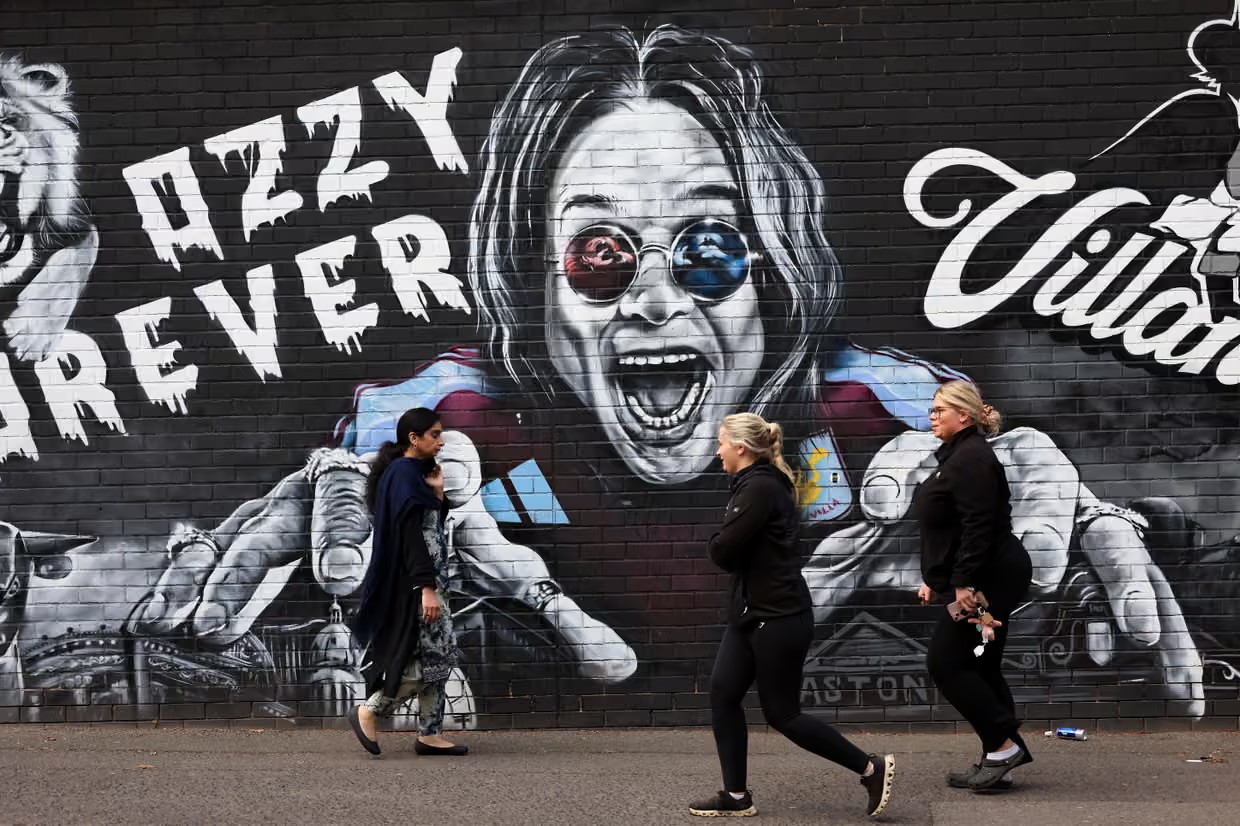
Fans of the late Ozzy Osbourne, pictured on a mural near Aston Villa’s football ground, did not approve of plans to resurrect the musician in digital form. Photograph: Nigel French/PA
Source: theguardian.com
Ragg said Unit1 considers the risk that a project could become inappropriate or offensive. But the company has not said which classic concerts it might actually recreate. Ragg has previously named Queen’s Live Aid performance, The Beatles at the Cavern Club and Jimi Hendrix at Woodstock as shows he would like to see.
My read is that Unit1’s strongest argument is not that its avatars will look “hyperrealistic.” It is that the company is trying to turn a one-off spectacle into a repeatable rights and touring business. The announcement is quiet about the catalogue it can secure, the terms it will offer estates and how much creative control those estates will retain. Those details will determine whether the format feels like preservation or exploitation.
Unit1 is therefore selling two forms of continuity at once: the illusion that a performer is still present, and the legal permission to make that illusion travel. The first is a technical challenge; the second is what will decide whether the shows have somewhere to go.
Daily AI news
Every day we pick what actually matters in AI and explain it plainly — no hype, no filler. Subscribe if you want to follow where the industry is going.
Only what matters — every day
Follow on X