Where the money goes
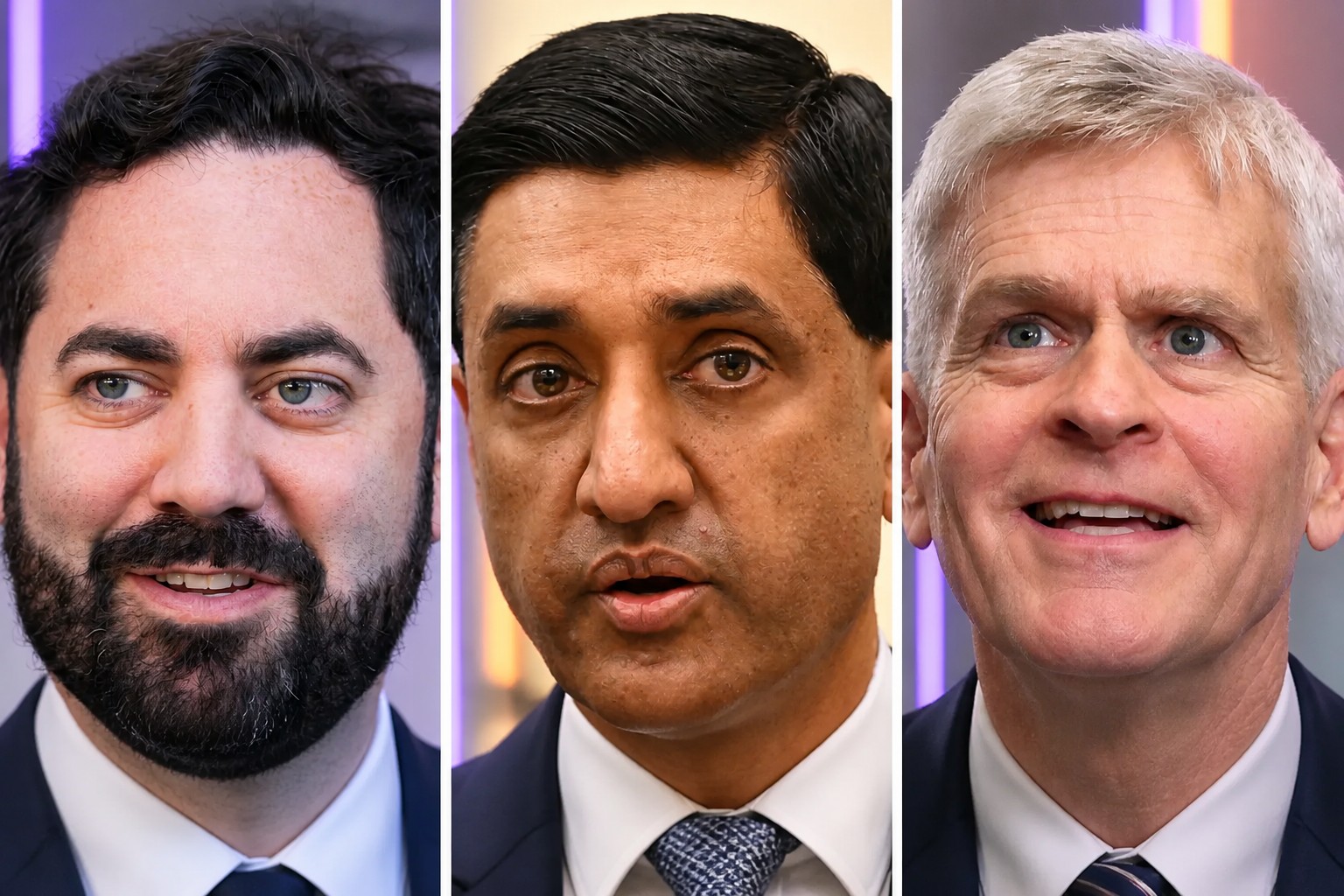
Republicans spent slightly more than Democrats on OpenAI. The Republican National Committee was its largest reported buyer, at nearly $10,000. Among individual campaigns, the biggest spenders included Republicans Mike Lawler, John Kennedy and Bill Cassidy, and California Democrats Ro Khanna and Ted Lieu.
Most of the spending was reported as office costs, employee ChatGPT subscriptions or research tools—not payment for specific political services. OpenAI’s policy prohibits some political uses of ChatGPT.
Anthropic’s user count in campaign filings has also grown, but its partisan split differs. In 2026, at least 65 candidates and committees reported payments to Claude’s maker, compared with close to zero in previous years. Democrats outnumbered Republicans by nearly two to one.
The largest individual campaign user was Republican Senator Tom Cotton’s team, which reported more than $4,000 in software expenses in June. Other significant users included independent Montana Senate candidate Seth Bodnar, Jason Knapp, who lost a Virginia Democratic House primary, and Alaska Democratic Senate candidate Mary Peltola.
Campaigns rarely reported paying for both Claude and ChatGPT: only about 12% of those reporting expenses for either service reported payments to both. The Democratic tilt among Anthropic users may reflect the company’s perceived liberal bias and its conflicts with the Trump administration.
xAI had few political customers, almost all tied to Republicans. Seven federal and two state-level candidates or committees reported payments totaling about $5,000. Robert F. Kennedy Jr.’s 2024 presidential campaign accounted for most of that spending; Republican Dave McCormick and Thomas Massie also appeared in the filings.
Campaign tools draw bigger checks
The larger sums went to companies building AI tools specifically for campaigns. AmplifAI, which provides automated text messaging, received $4.7 million during the 2022 election cycle. Democratic campaigns including those of Mark Kelly, Joe Biden, Bernie Sanders and Adam Schiff used the service. Spending appears to have declined since then; AmplifAI is now owned by struggling media conglomerate Triller.
Daisychain has emerged as a notable Democratic messaging tool. Candidates reported about $300,000 in spending on it in the 2026 cycle, up from around $50,000 in 2024. More than half of the current total came from Abdul El-Sayed’s Democratic Senate campaign in Michigan.
The closest Republican counterpart is Campaign Nucleus, associated with Brad Parscale, Trump’s former campaign manager. The AI voter-engagement tool attracted six-figure sums from the Republican National Committee and several political action committees supporting Donald Trump. Mike Johnson, Kari Lake and other candidates spent five-figure amounts.
Campaign Nucleus is taking business from Prompt.io, a longstanding Republican text-messaging provider. Prompt.io spending stood at about $375,000 for 2026, down from more than $500,000 across the full 2022 cycle. But it still has large customers: the Uber-sponsored political action committee A More Affordable California alone spent more than $1 million on Prompt.io in 2026. Other repeat clients included Republican Michael Minogue, the Massachusetts gubernatorial nominee who lost, Republican Che An, and the Republican-linked committee Neighbors for a Better Colorado.
State filings show a sharp rise
In four states examined, at least $92,000 in spending since 2022 could be confidently attributed to modern generative AI services. At least 108 candidates and committees reported those expenses. Filings for 2026 already show roughly ten times as much AI spending as for all of 2024.
The state-level picture broadly resembles the federal one: Daisychain received the most, while OpenAI and Claude led among general-purpose AI services. DonorAtlas, an AI tool for finding potential donors, ranked behind only Daisychain and OpenAI, helped by nearly $4,000 from the California Democratic Party.
The gap between filings and use
Candidates rarely report spending on tools for synthetic audio or video, despite the attention those tools receive. Six federal candidates and committees reported about $1,400 for ElevenLabs, with independent Colorado 6th District House candidate Samir Vitta spending the most. Five federal campaigns and committees reported about $1,600 for Midjourney; Sheldon Daniels, runner-up in the Republican primary for Texas’s 30th District, led that group. Across the four states, reported spending on both services combined was less than $100.
Yet recent Wesleyan Media Project data show at least 164 political ads using AI-generated material in the current election cycle, with at least $80 million in ad spending behind them.
The filings leave out spending by political consultants, media companies and other vendors hired by campaigns and political action committees. Independent committees that raise and spend money to support candidates are also not required to publish detailed reports. I think that makes the reported totals more useful as a map of disclosed purchases than as a measure of how much AI campaigns actually use.
The reporting is also quiet about what the tools did: a subscription or vendor payment does not show whether AI generated messages, helped identify donors or shaped an ad. More election-cycle spending will come in the final weeks before November, but the clearest figures may still describe only the portion campaigns have to disclose.
Daily AI news
Every day we pick what actually matters in AI and explain it plainly — no hype, no filler. Subscribe if you want to follow where the industry is going.
Only what matters — every day
Follow on X