
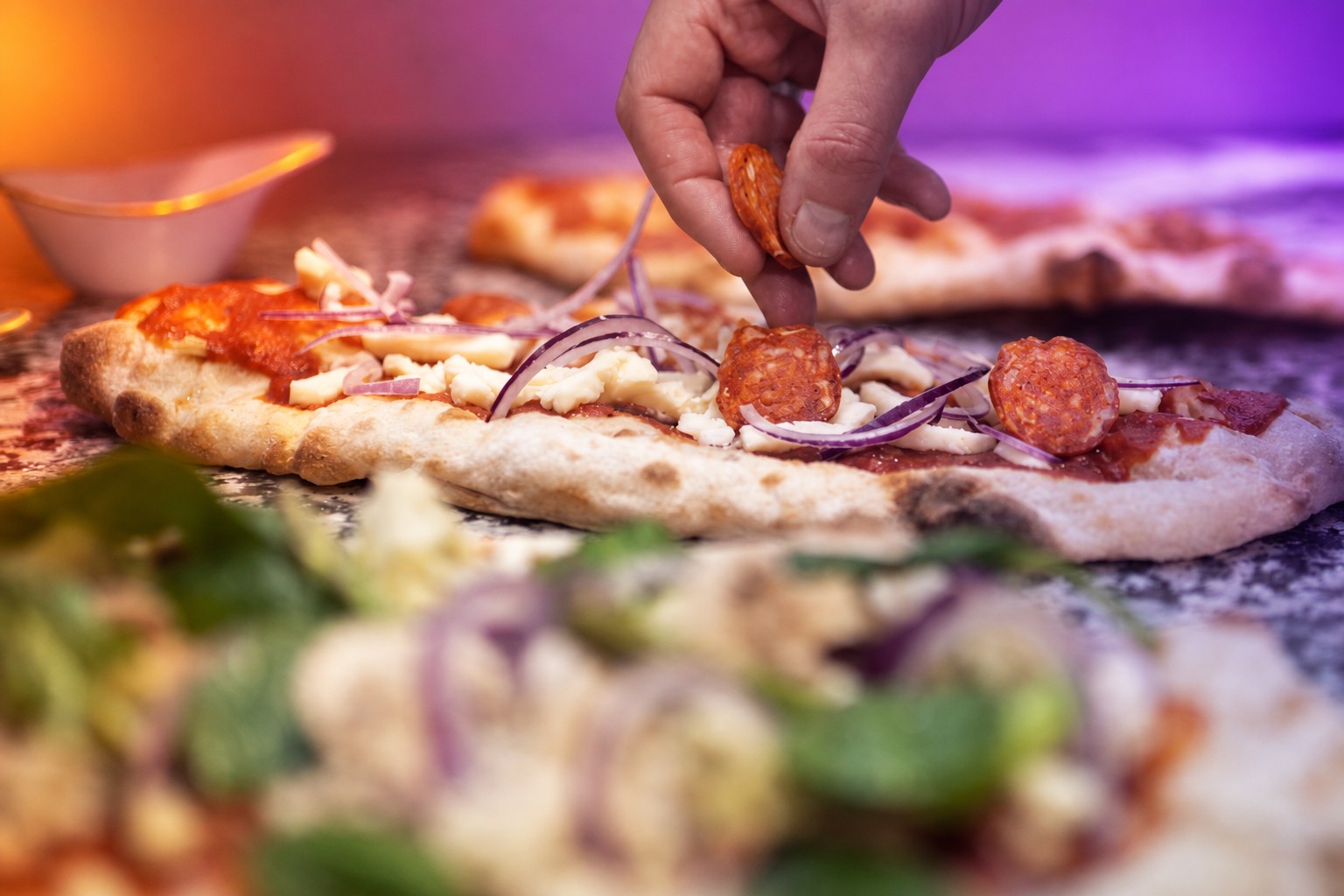
Picnic, the supplier that built modular pizza-assembly machines, abruptly stopped operating in May, and its technical support disappeared along with it. That left Lee Kindell, founder and CEO of Moto Pizza in Seattle, holding two cabinet-housed robots worth $160,000 (£118,000) that nobody can now service, and deciding whether he would ever buy pizza robots again. He says the failure has made him doubt he wants to enter another partnership like it. Picnic joins Zume, Pazzi and Basil Street on the list of pizza-robotics companies that have left the market.
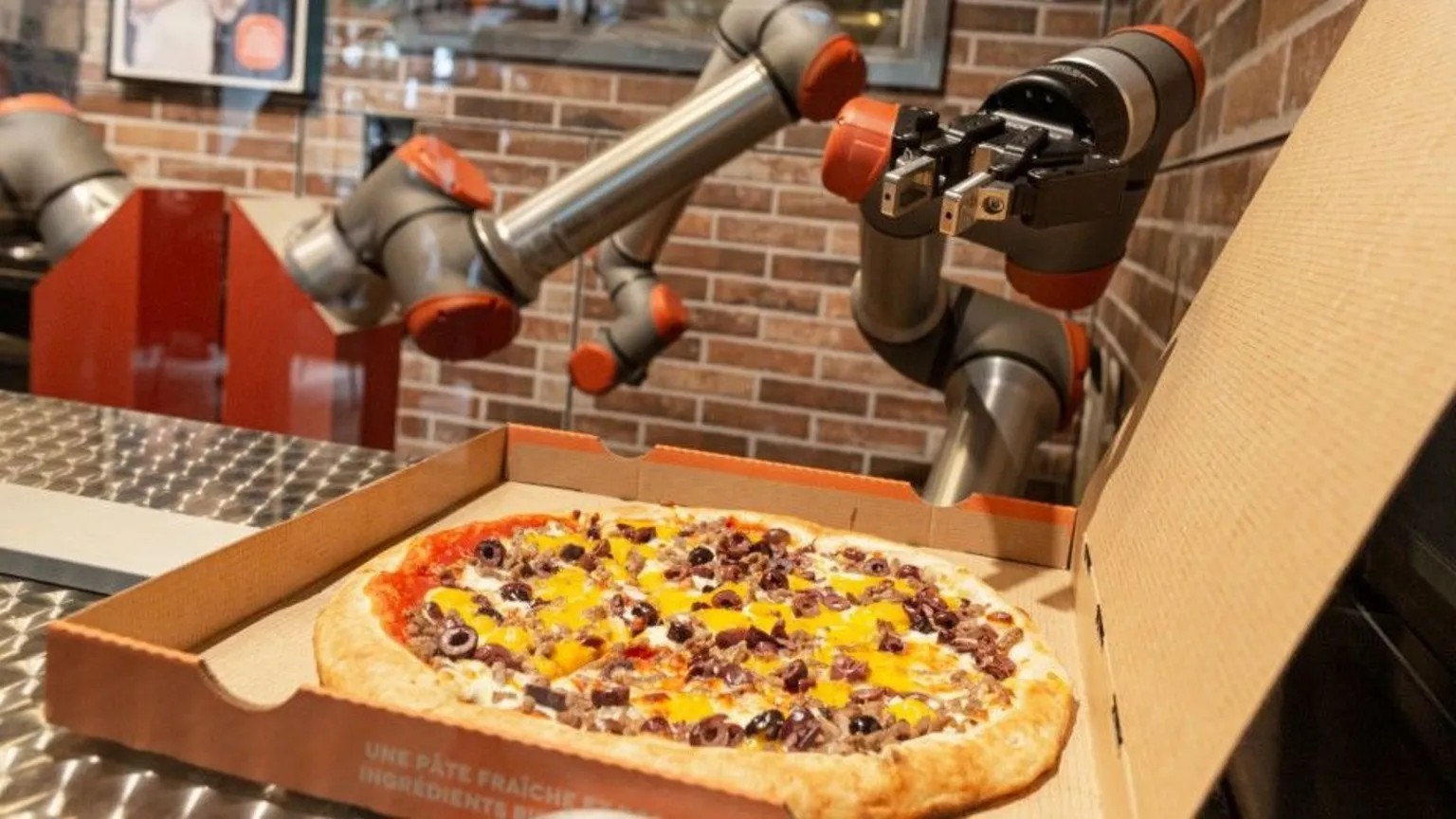
The machines themselves are intact and useless. The dough dispenser, the sauce and cheese modules, the pepperoni sprinkler — every part of the Picnic system sits idle. Two robots were supposed to be making pizza in the restaurant.
Source: bbc.co.uk
The wreckage has a shape to it. Zume and Pazzi both used robotic arms to assemble pizzas. Basil Street built vending machines that sold finished ones. Different approaches to the same product, and all of them gone. Automating fast food looked like an easy problem and turned out to be harder than expected, with the added complication that the jobs these machines replace are entry-level restaurant jobs.
Sara Senatore, senior restaurant analyst at Bank of America — which holds stakes in several large pizza chains, including Papa Johns and Domino's — acknowledges that the promised success stories have not become reality. Food-prep robots, she says, are sometimes clumsy: they drop ingredients in the wrong place. Humans, meanwhile, make pizza efficiently enough.
Kindell has not given up on full automation. What he wants is a customer walking up to a kiosk, ordering, and receiving a fresh pizza with no staff involved. He came to machines through his body: he used to mix all the dough himself, and an elbow tendon injury sent him looking for another way. He is now building his own pizza robot. He will not give details, but says it will make square, thick-crust pizza and work on a principle resembling a 3D printer, with a fully working version expected by the summer of 2027.
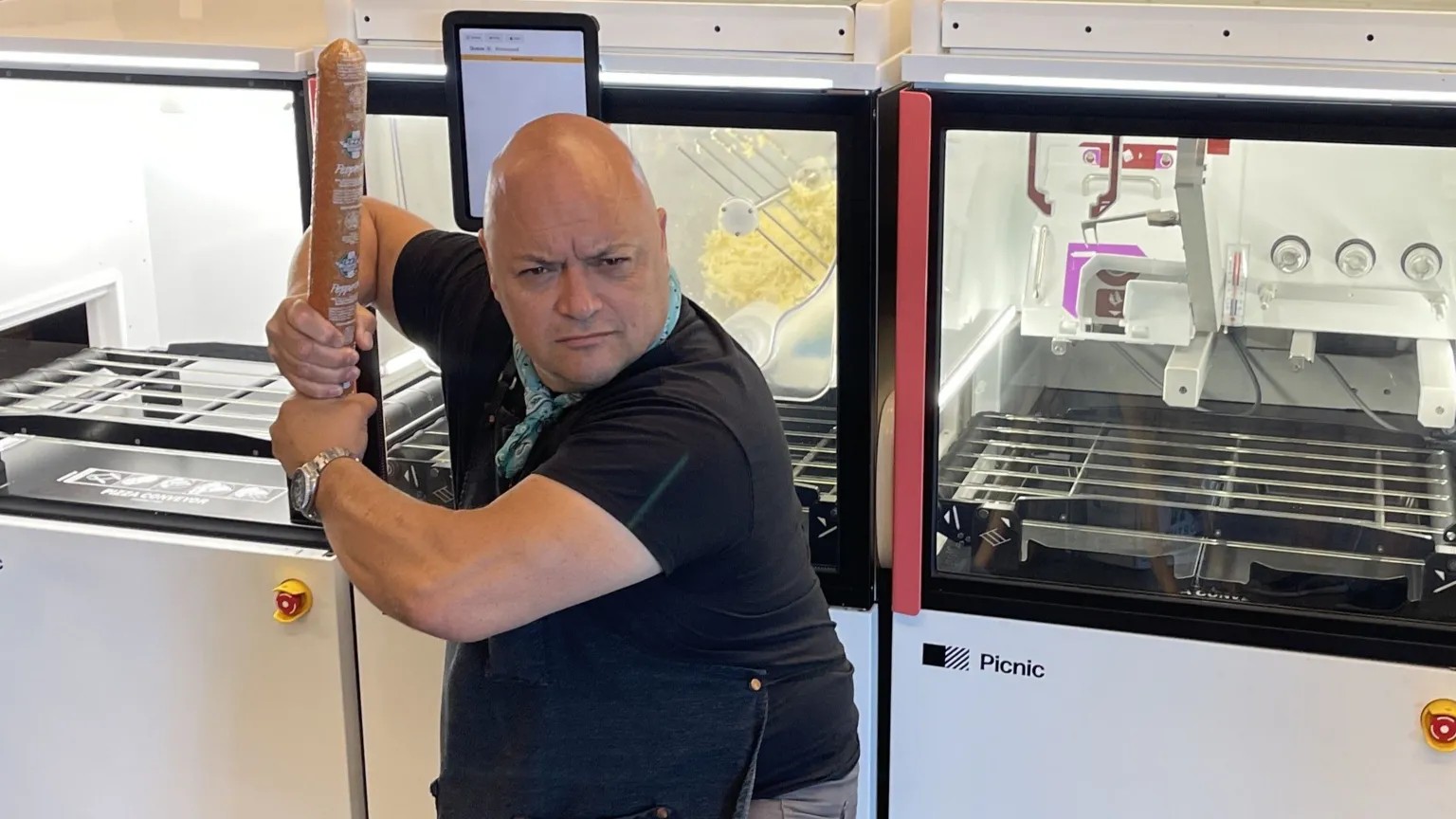
He also admits he has no robotics experience. His argument is that the companies that shut down still collected useful data and moved the technology forward, and that sooner or later someone will make these systems work.
On the jobs question, Kindell points to his own record. He previously ran Picnic machines at T-Mobile Park, home of the Seattle Mariners. Making pizza there normally took about ten people; with the robots installed, two remained in the kitchen. The other eight kept their jobs, talking to customers and selling pizza around the stadium. By his account, that put more people in position to hand out finished pizza and made service faster.
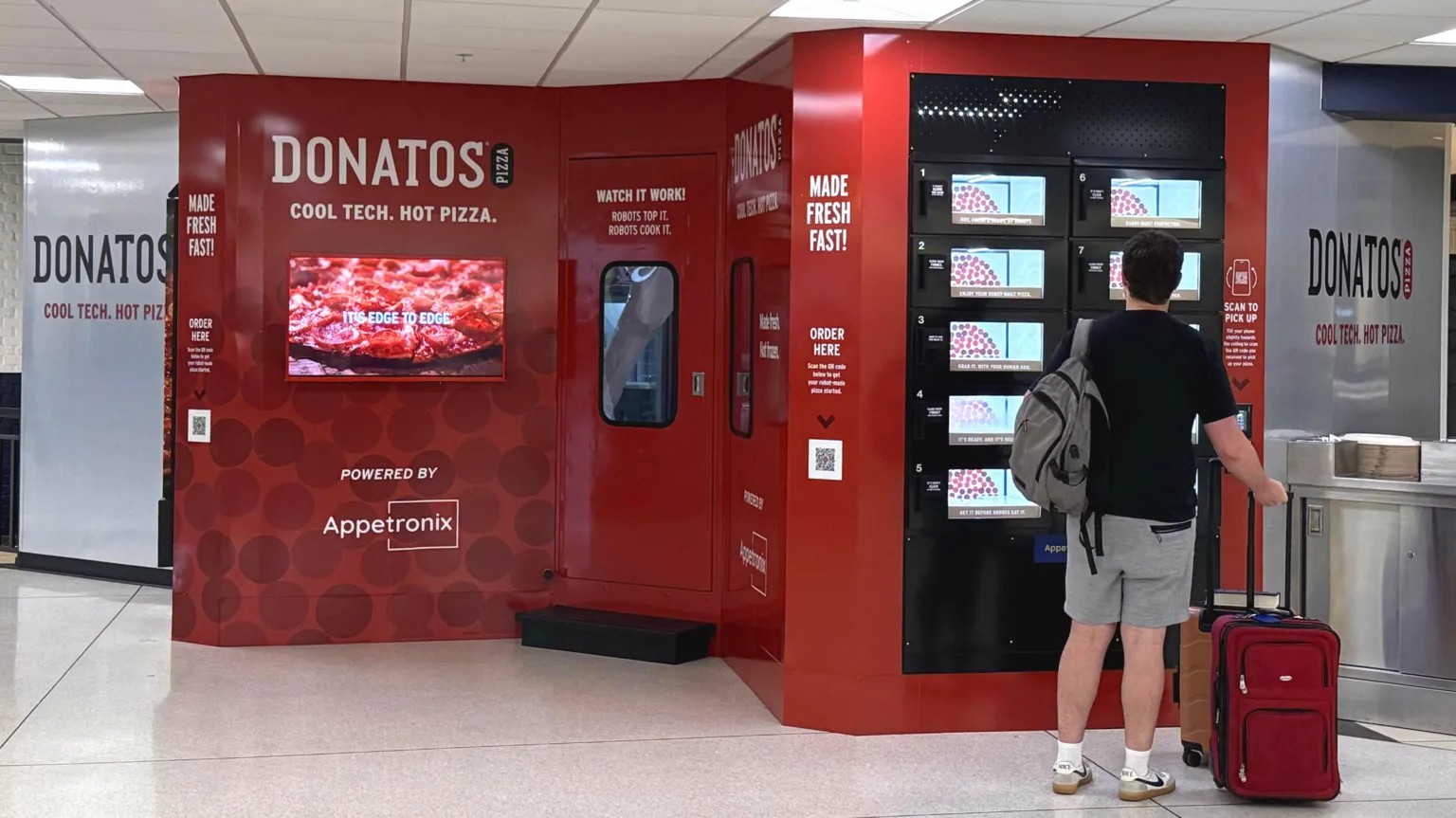
For some engineers the case for these systems is simply speed. Last year the Canadian company Appetronix installed a 24/7 robotic module for the Donatos chain at John Glenn Columbus International Airport in Ohio. Appetronix is developing new versions it says will assemble pizza at a substantially higher rate, with the eventual target, according to cofounder and CEO Nipun Sharma, of one pizza per minute.
The engineering is granular. Applying sauce to the base currently takes 9.5 seconds; Sharma's team is trying to get that to 1.5 seconds, possibly by spraying from above like a shower head. The company is also looking at lasers and ultrasound to replace the knife and cut the pizza faster.
Those two numbers are the most revealing thing in this story. Eight seconds of sauce is what stands between the current machine and the target, which means the remaining problem is not whether a robot can make a pizza — it plainly can — but whether it can make one fast enough to justify a capital cost that a human with a ladle does not carry. That is a margin fight, not a technology breakthrough, and margin fights are won slowly.
Which makes the Picnic collapse the more interesting failure. Nothing in the account suggests the robots stopped because they could not cook. They stopped because the company behind them went away, and a $160,000 appliance that depends on a vendor for support is not equipment, it is a subscription with a large upfront payment. Notably absent from any of this is what a restaurant is supposed to do next: no mention of escrowed firmware, service documentation, or a third party able to keep the hardware alive. Every operator weighing one of these systems is being asked to bet not on the machine but on the balance sheet behind it, and four companies in this sector have now shown what that bet loses.
Kindell's stadium numbers deserve the same scrutiny. Ten to two in the kitchen is a real reduction; the eight people kept working because a baseball stadium has effectively unlimited foot traffic to walk pizza toward. A neighbourhood restaurant does not have a crowd of thirty thousand to redeploy staff into. And the arrangement Kindell describes as his goal — kiosk, order, pizza, no staff — is not the stadium arrangement at all. Both claims appear in the same account, and only one of them can be the destination.
The counter-position is older than the robots. Plenty of people prefer pizza made by hand, and a machine that makes the food can strip out the human connection to it. Sharma's answer is that Appetronix is aimed at chain restaurants, where the pizza is supposed to taste the same every time. Five years ago Paul Giannone, owner of the Paulie Gee's pizzerias, told Mashable he would never use robots; he holds that position now, with his restaurants betting on the dining experience and personal service. The standardised-chain versus artisanal split predates automation, and it will probably decide which formats the machines end up in.
Senatore thinks human interaction may matter more to restaurants now than it used to. Cutting staff, she argues, is risky: the pizzeria can lose its human contact, and when the machine breaks, customers get annoyed if there is nobody around who can step in.
Source: bbc.co.uk
Meanwhile the dead companies are still shaping the live ones. Miso Robotics of California acquired more than 300 patents that previously belonged to Zume. Miso CEO Rich Hull says Zume's idea was well thought out but arrived a little early, before buyers were ready for robot-made pizza. Miso already sells Flippy, a fry-station robot used in some US fast food restaurants, and the Zume patents may help extend what it can do — though Hull offers no specific examples and says the company is still working out how to apply them.
That is where the first wave of pizza robotics ended up: the surviving asset is a patent portfolio, and the most capable machine anyone has described is still promising one pizza a minute in 2027. Kindell, with no robotics experience and two dead cabinets in his restaurant, is building the next one himself.